







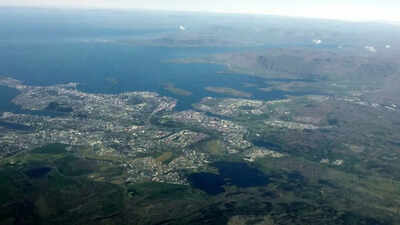
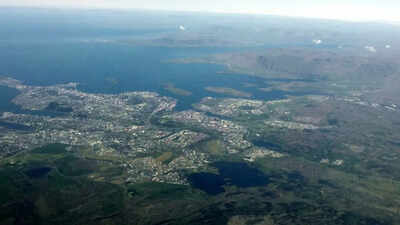
There is something unusual about Reykjavik long before you arrive. The light feels different, the horizon seems wider, and the sea is never far away. Spread along Iceland’s south-western coast, the city sits between rugged shoreline and distant mountains, creating a landscape that often feels larger than the city itself. Despite being the country’s political and economic centre, Reykjavik is modest in scale, with colourful neighbourhoods, busy harbours and open spaces that blend into one another rather than compete for attention. Daily life here unfolds against a backdrop shaped by volcanic forces, geothermal activity, and the North Atlantic Ocean. It is a capital city, certainly, but one that remains closely tied to the natural environment surrounding it.
Why Reykjavik is known as the world’s northernmost capital
pc: wikipedia
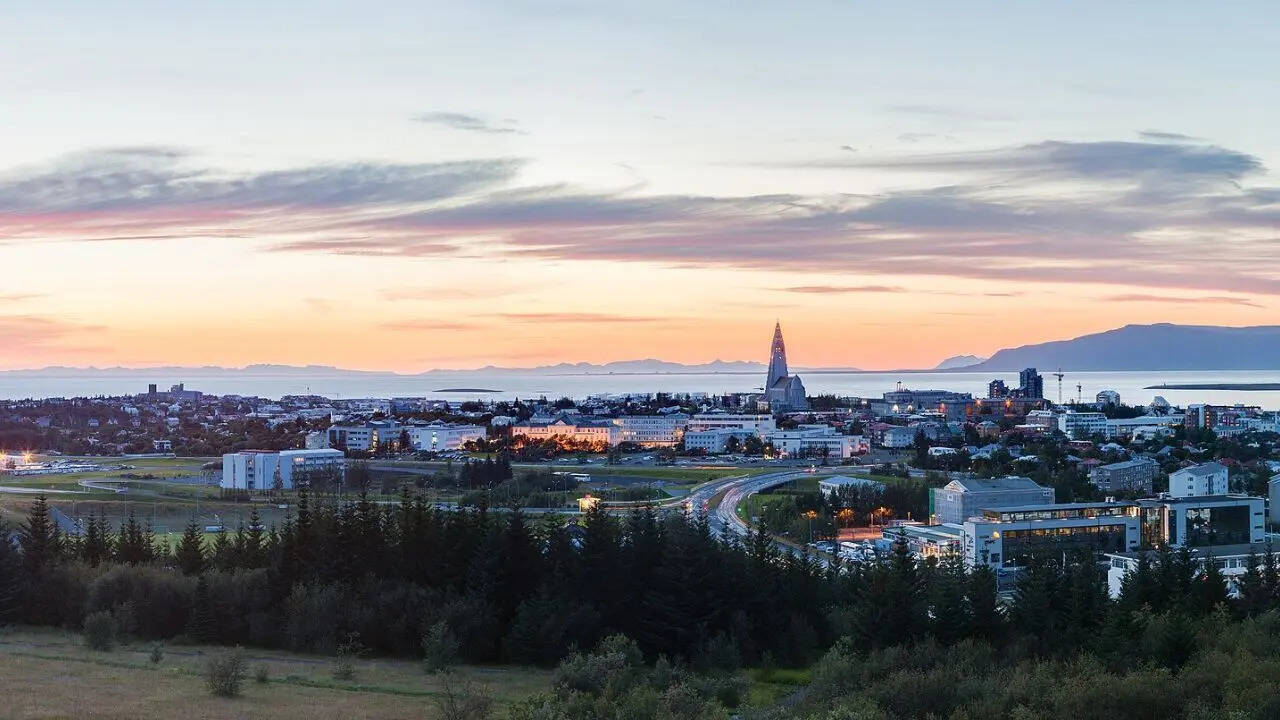
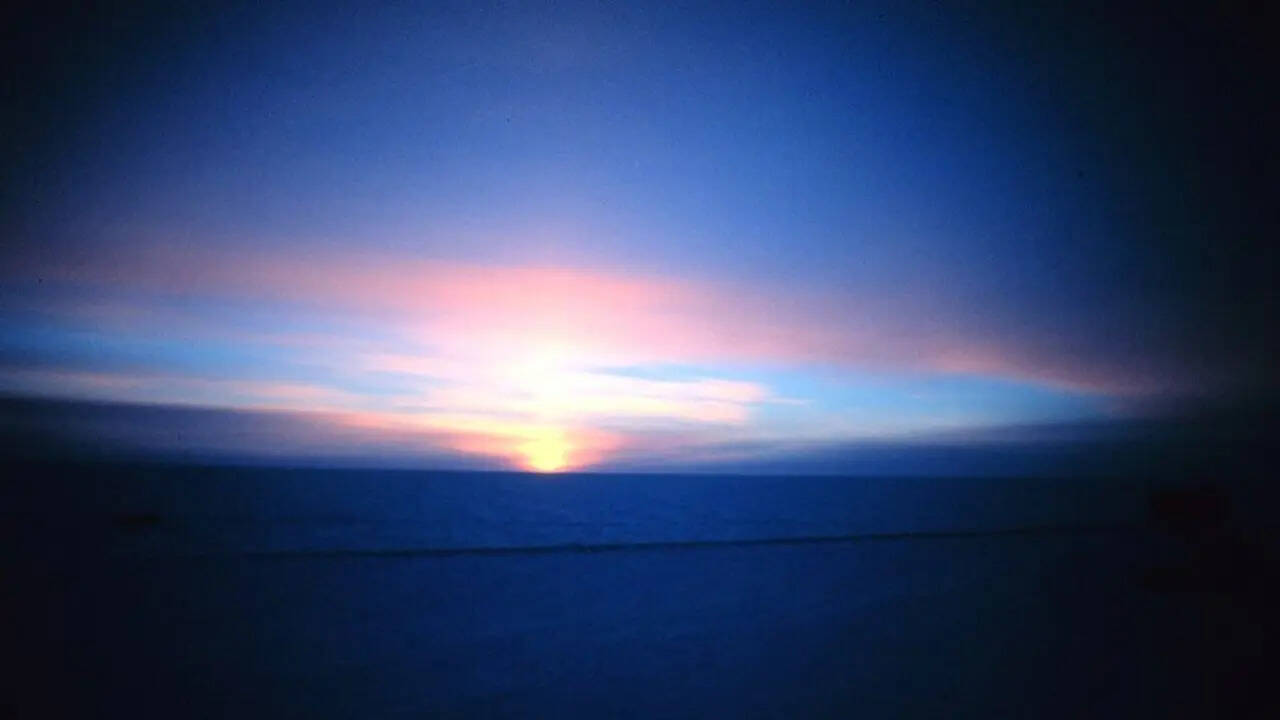
According to the Guinness World Records, Reykjavik is the northernmost capital city of an independent sovereign state, located at approximately 64°08′ north latitude. The city occupies a unique position near the Arctic Circle, giving it some of the most dramatic seasonal daylight variations of any capital.The distinction is more than a geographical curiosity. Winter days can be remarkably short, with only a few hours of daylight around the solstice, while summer brings extended evenings and periods when darkness barely arrives at all. This rhythm of light and darkness has long influenced everyday life in Iceland and remains one of the city’s defining characteristics.
A city shaped by bays, mountains and volcanic landscapes
Reykjavik developed around a natural bay facing Faxaflói Bay, with mountains visible across the water on clear days. The coastline twists around small peninsulas and inlets, creating a close relationship between the city and the sea.Much of the surrounding landscape bears the marks of Iceland’s geological past. Ancient lava fields, volcanic formations and glacially carved terrain lie within easy reach of the urban centre. The river Elliðaá cuts through parts of the city and is known locally for its salmon fishing, an unusual feature for a capital city.Unlike many large European capitals, Reykjavik never feels crowded. Buildings rarely dominate the skyline, and open views remain part of the city’s character.
Reykjavik: Iceland’s cultural heart
According to the official tourism site of Reykjavik, the city serves as Iceland’s principal cultural hub, home to many of the country’s museums, galleries, theatres and music venues.Literature occupies a particularly important place in local culture. Iceland’s medieval sagas continue to influence national identity, while contemporary writers, artists and musicians contribute to a creative scene that is far larger than the city’s population might suggest.The harbour district, once centred primarily on fishing, has evolved into one of Reykjavik’s most active cultural quarters. Cafés, design studios, exhibition spaces and independent shops now sit alongside working docks, reflecting the city’s ability to balance tradition with modern life.
Exploring the city’s most celebrated landmarks
pc: wikipedia
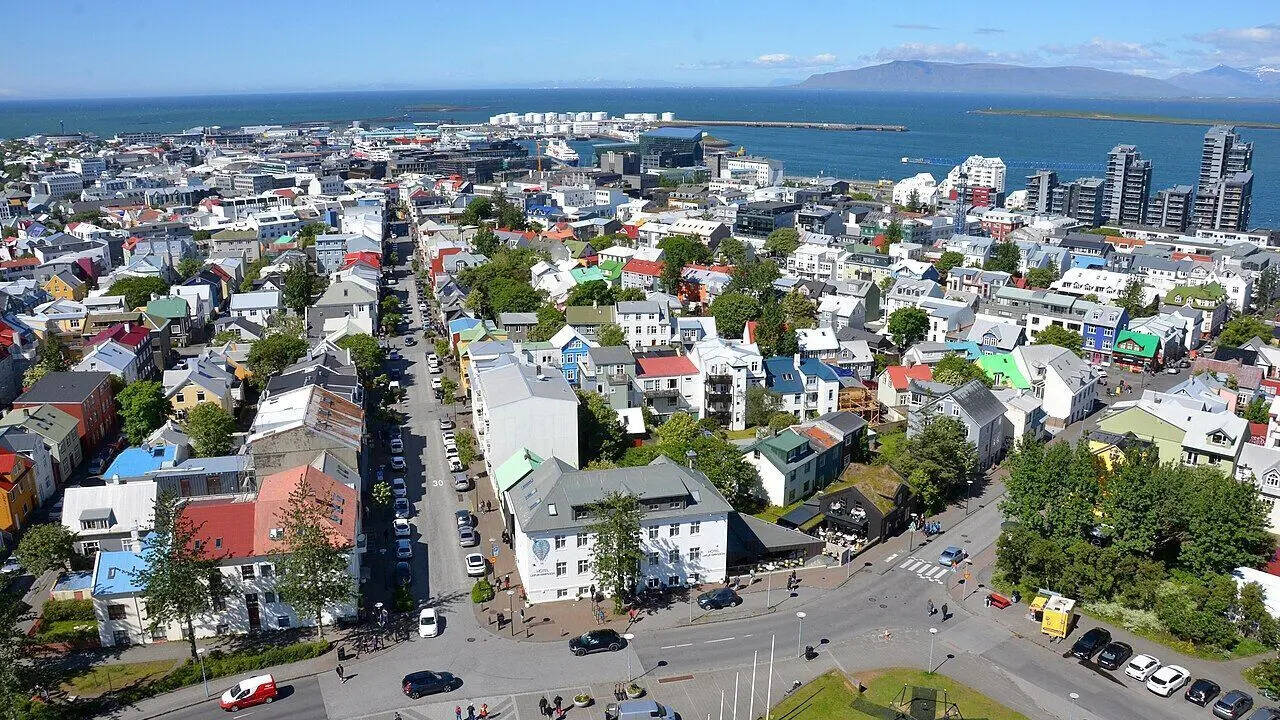
- One of Reykjavik’s most recognisable landmarks is
Hallgrímskirkja , the striking church whose tower rises above much of the city. Visitors often climb to the viewing platform for panoramic views across rooftops, mountains and sea. - Near the waterfront stands
Harpa Concert Hall , a modern glass structure whose geometric façade reflects changing weather and light conditions throughout the year. A short walk away is the Sun Voyager sculpture, positioned beside the shoreline and frequently photographed against sunset skies. - The Old Harbour remains a popular area for walking, dining and joining whale-watching excursions. Small streets in the city centre reveal colourful houses, independent bookshops and public art installations that give Reykjavik a distinctly local atmosphere.
Reykjavik’s unique relationship with light and season
pc: wikipedia
Despite its northern location, Reykjavik experiences a comparatively moderate climate. The North Atlantic Current helps prevent the extreme winter temperatures often associated with places at similar latitudes.Winters are generally cool rather than severe, while summers remain mild. Temperatures usually hover between 10°C and 15°C during the warmest months, though conditions can change quickly. Wind and shifting weather patterns are common throughout the year.The changing seasons often determine how visitors experience the city. Summer offers long daylight hours and easier access to outdoor activities, whereas winter attracts travellers hoping to witness the Northern Lights above Iceland’s dark skies.
How to reach and explore Reykjavik: the world’s northernmost capital
Most international visitors arrive through Keflavík International Airport, situated around 50 kilometres south-west of the capital. Regular shuttle services and road connections link the airport with the city centre.Reykjavik is also a seasonal stop for cruise ships travelling across the North Atlantic. Once in the city, many attractions can be reached on foot, while an extensive bus network provides access to surrounding districts.Compact yet distinctive, Reykjavik combines the functions of a national capital with the atmosphere of a coastal town. Its position on the edge of the North Atlantic, coupled with its cultural significance and proximity to some of Iceland’s most remarkable landscapes, gives it a character unlike that of any other capital city.