











Children may not remember every toy they received or every meal they ate, but they often remember how the people closest to them made them feel. What adults see as “harmless teasing” can sometimes leave a lasting mark on a child’s confidence. A joke that lasts a few seconds may become an insecurity they carry for years. Whether it’s a parent, grandparent, sibling, or family friend, teasing a child about certain things can make them feel ashamed, misunderstood, or afraid to express themselves. Every child deserves to grow up believing they are accepted for who they are. Here are five things you should never make fun of, and never allow others to tease your child about either.
Their mistakes

29 Jun 2026 | 15:40
After the Siya Goyal case, Kangana Ranaut argued that parents shouldn’t automatically be blamed. What’s your take?
Children learn through trial and error. Mistakes are not signs of failure, they are opportunities to grow. When a child hears comments like, “I told you so” or “See, you always mess things up,” they may become afraid to try again. Instead of learning from their mistakes, they begin to fear making them. Rather than focusing on what went wrong, encourage them to think about what they can do differently next time. The goal isn’t to raise a child who never fails. It’s to raise one who has the courage to keep trying.
Their appearance

Comments about a child’s height, weight, skin colour, hair, or facial features may seem like jokes to adults, but children often take them seriously. Even playful nicknames can affect how they see themselves. Over time, repeated teasing can lead to low self-esteem and body image issues. Instead of pointing out their appearance, remind them that their worth comes from their kindness, character, and abilities, not how they look.
Their emotions
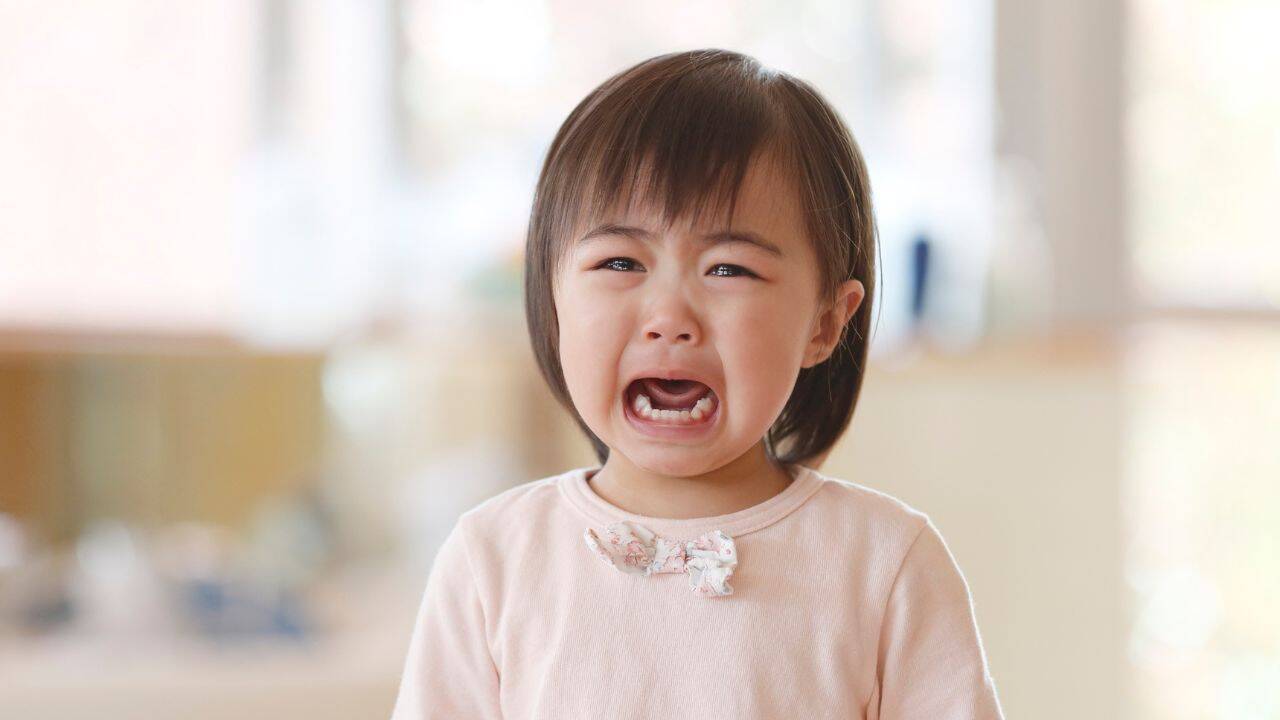
Have you ever told a child, “Stop crying,” or “Don’t be such a baby”? Although these phrases are common, they send the message that emotions are something to hide. Children who feel safe expressing sadness, fear, or frustration learn how to understand and manage those emotions in healthy ways. When they know they can share their feelings without being laughed at or dismissed, they grow into emotionally resilient adults.
The things they love
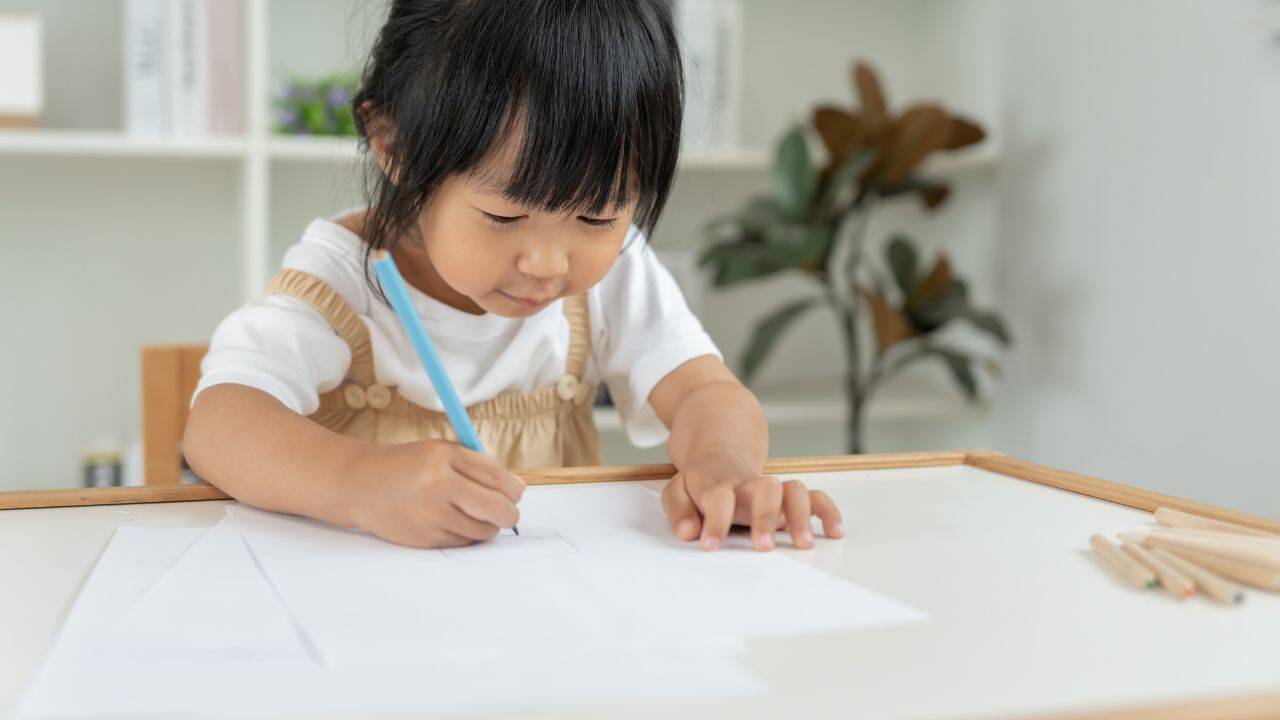
Whether it’s drawing, reading books, collecting rocks, playing football, dancing, or memorising dinosaur names, every child has interests that make them happy. Adults sometimes laugh at these hobbies or call them “silly.” But today’s passion could become tomorrow’s career, talent, or lifelong purpose. When parents show curiosity instead of criticism, children feel encouraged to explore, learn, and develop confidence in their abilities.
Their fears
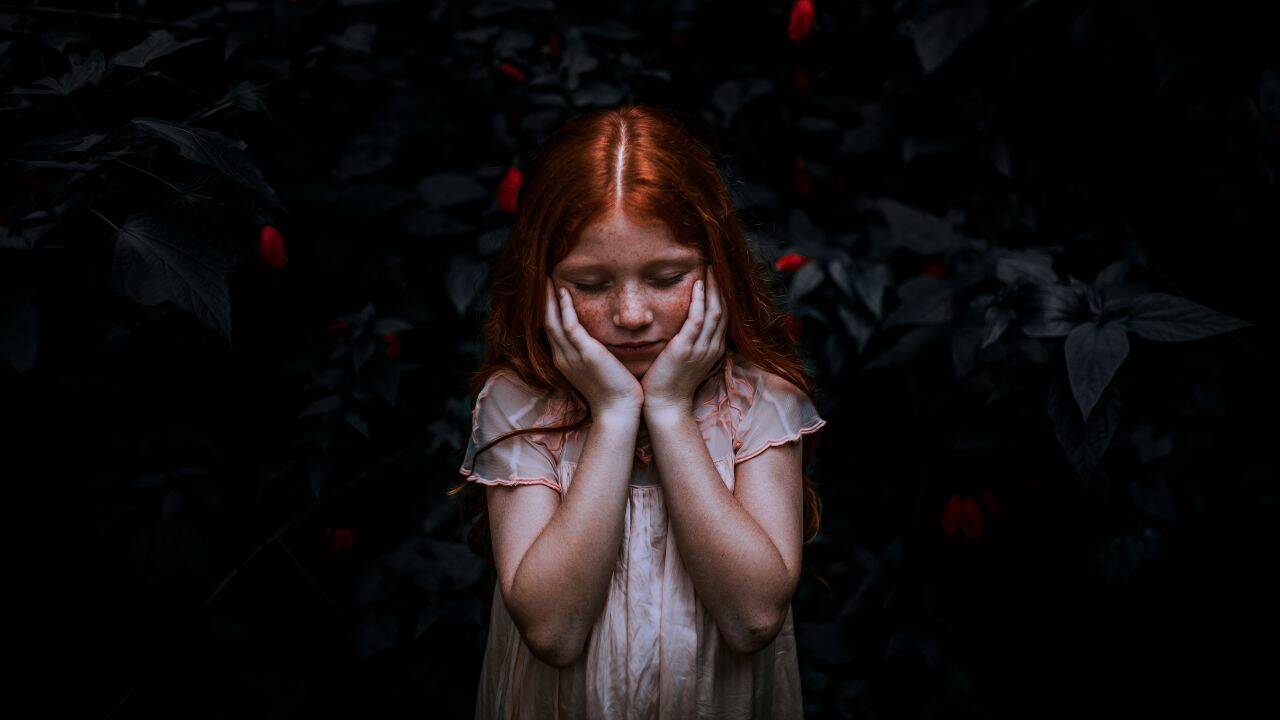
Every child has fears. Some are afraid of the dark, insects, dogs, loud noises, or sleeping alone. Laughing at those fears doesn’t make them disappear; it simply teaches children to hide them. Instead, listen patiently and help them face their fears one small step at a time. Feeling supported gives children the confidence to overcome challenges at their own pace.
Every child deserves to feel accepted
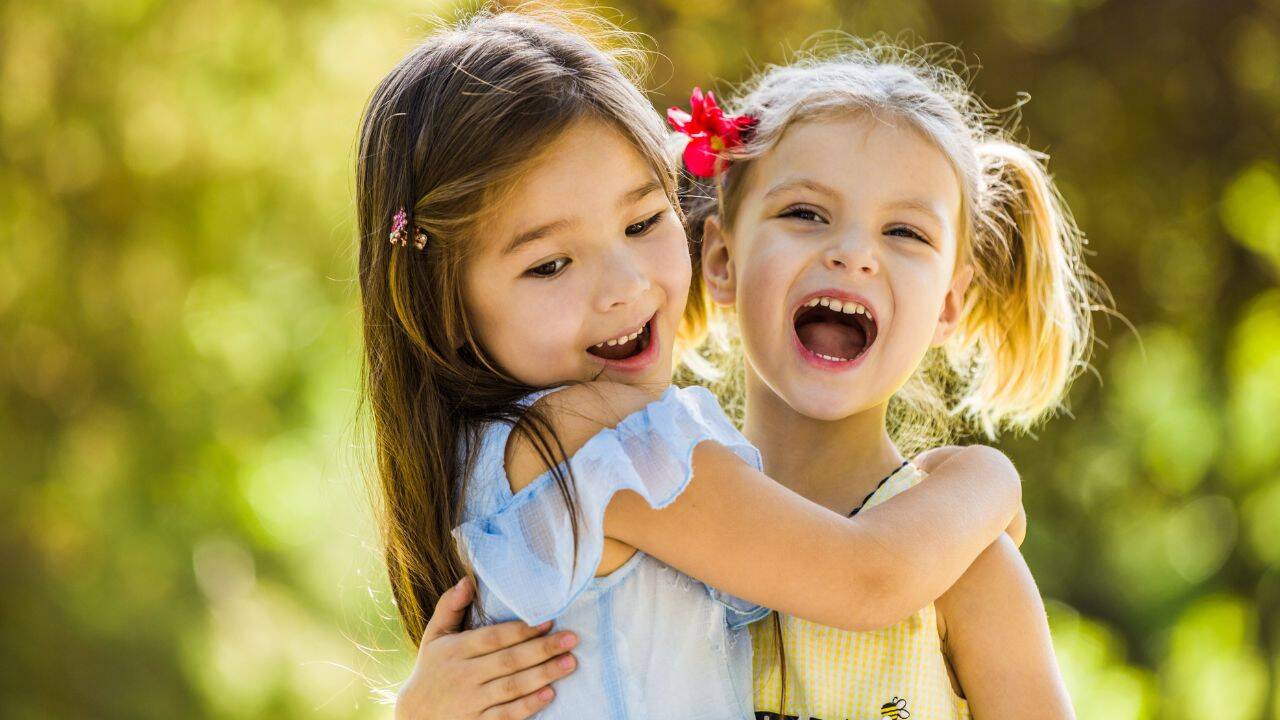
Children are not meant to fit into someone else’s idea of “perfect.” They are unique individuals with their own personalities, strengths, interests, emotions, and dreams. The words adults use become the voice children carry inside their heads. That is why kindness matters so much. Before making a joke, ask yourself one simple question: *Will this make my child feel loved or laughed at?The answer can shape not only the moment but also the way they see themselves for years to come.Confidence doesn’t grow through criticism. It grows when children know they are respected, accepted, and loved exactly as they are.