









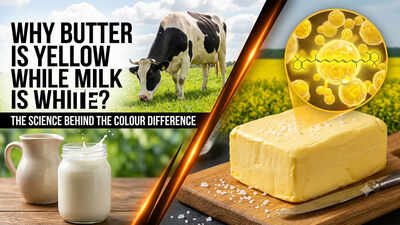
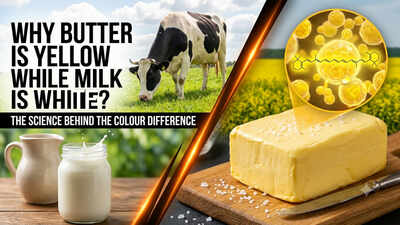
Milk and butter are two of the most commonly used dairy products. And while we use them on a daily basis, have you ever wondered why butter has a rich yellow hue while the milk it comes from looks bright white? Isn’t it surprising that butter is made by churning milk or cream, and still these two dairy products have such different appearances. The answer lies in how milk is composed and the presence of natural pigments found in a cattle’s diet. Scroll down to read the details.
Why milk is white in colour
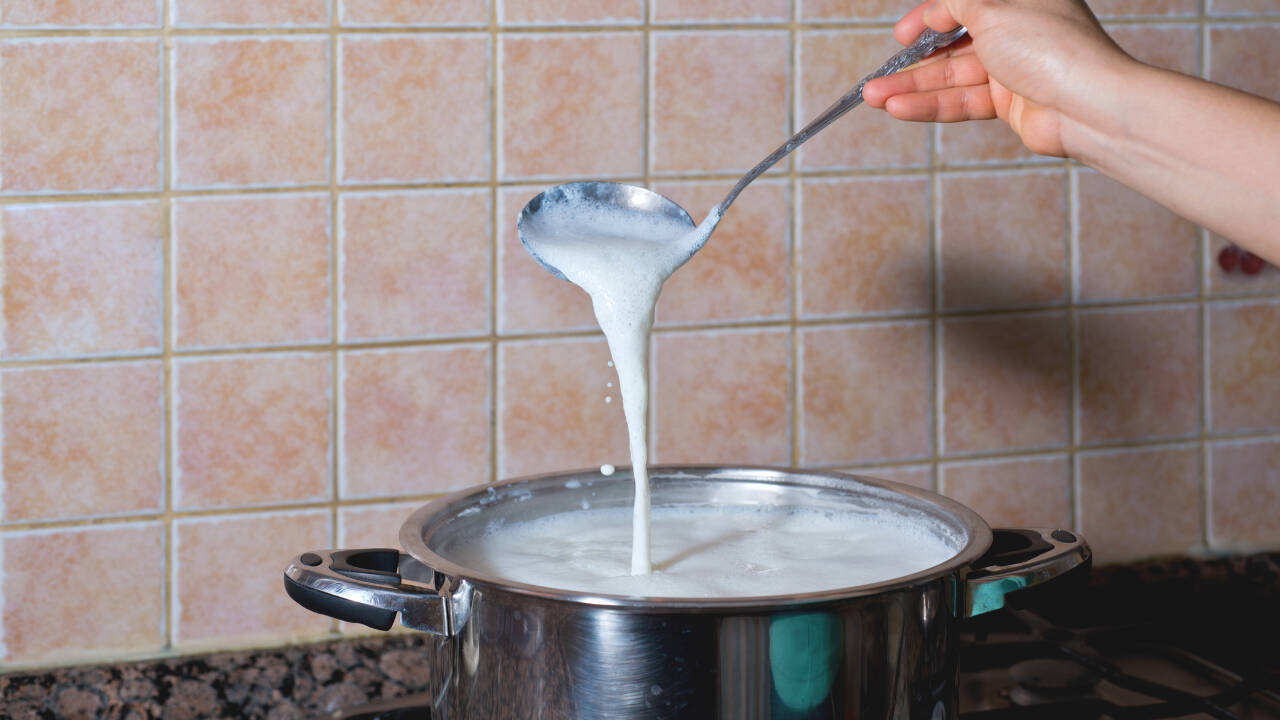
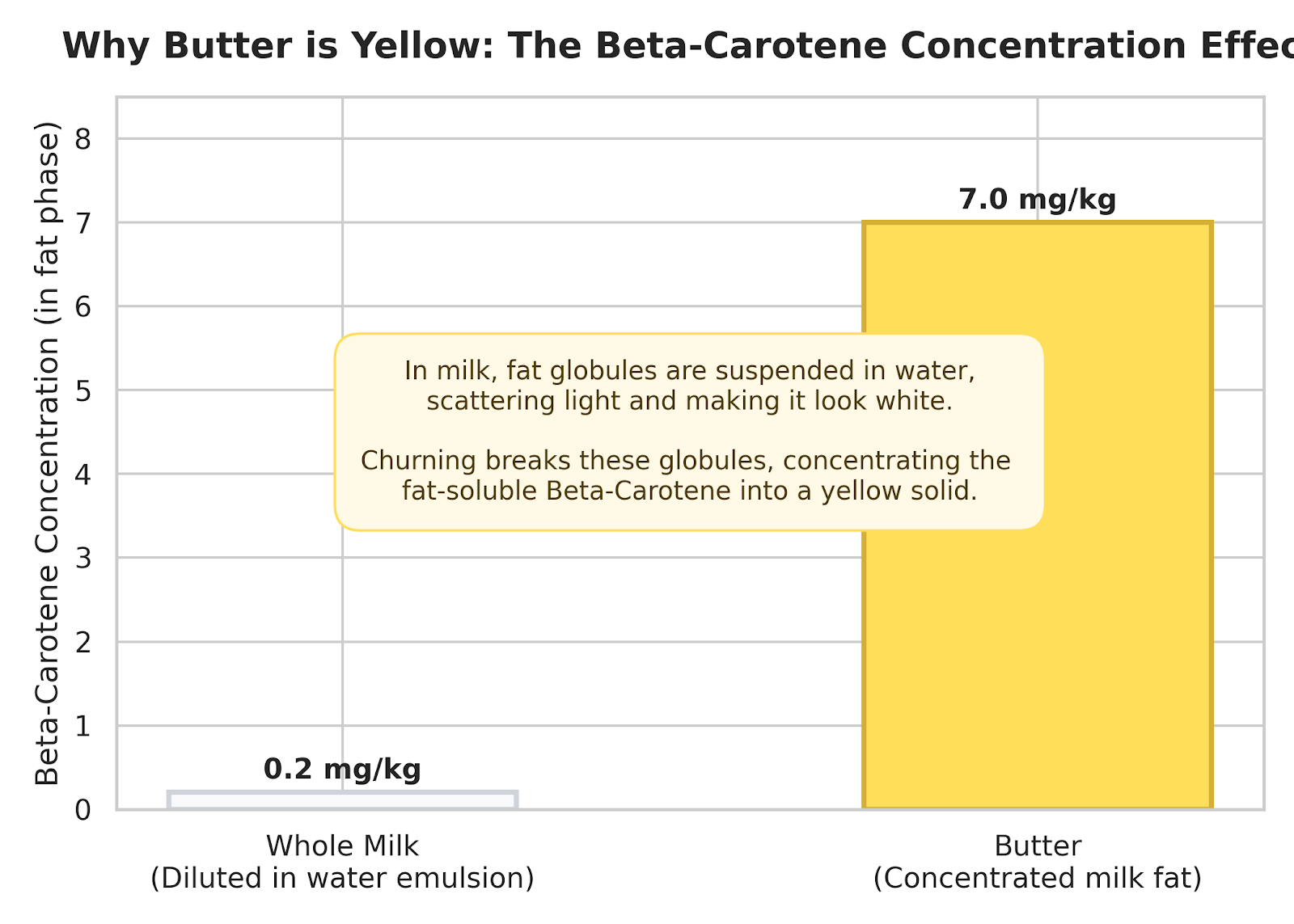
For the uninitiated, milk is made up of 87% water and the remaining portion consists of fat, proteins, lactose, vitamins, and minerals. They also contain yellow pigments, which are not easily visible. According to experts, milk appears to be white because of the way light interacts with its components. Milk contains microscopic particles called casein proteins and tiny fat globules that scatter all wavelengths of visible light. And since all the colours are scattered equally, the human eye perceives milk as white.
Why butter is yellow in colour
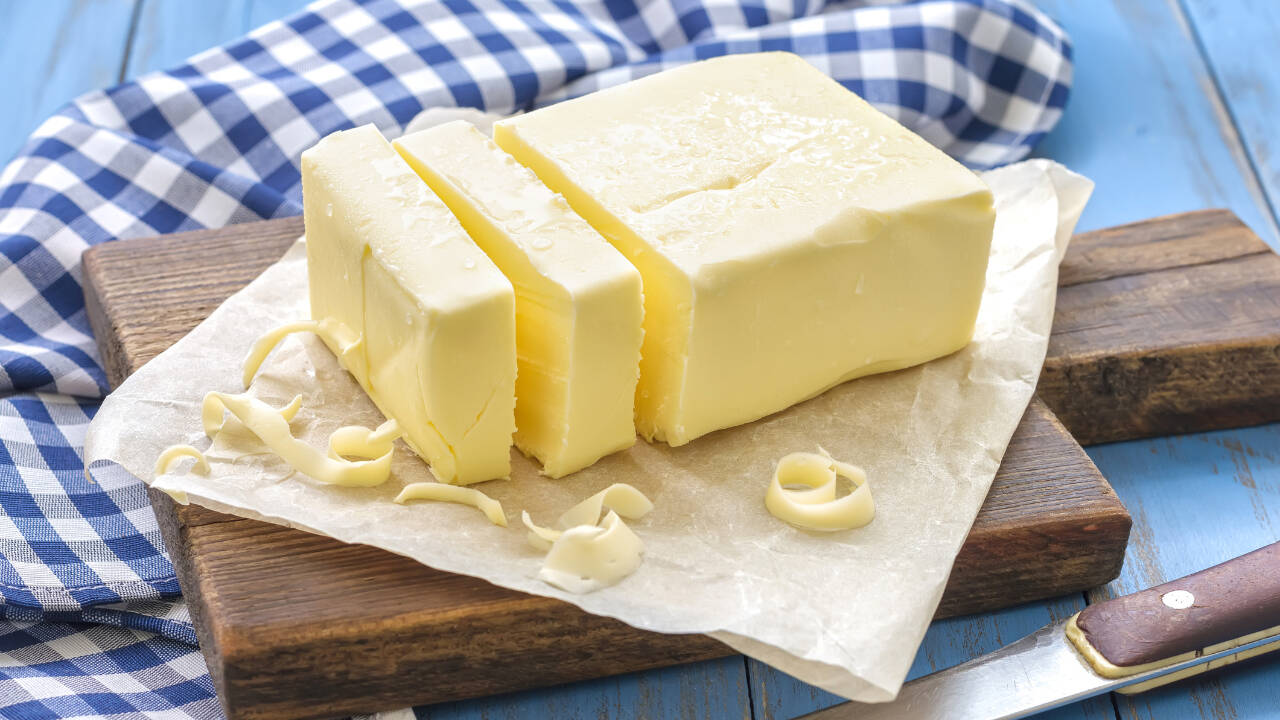
We all know that butter is made by churning cream until the fat separates from the liquid, known as buttermilk. And during this process, most of the water and milk proteins are removed, leaving behind a product that contains about 80% milk fat. This fat gives it the colour. Milk fat contains beta-carotene, a naturally occurring yellow-orange pigment found in green plants such as grass and leafy vegetation. So, when the cattle consumes beta-carotene while grazing, it gets stored in milk fat, which gives butter its yellow colour.
Why the shade of yellow differs
According to experts, when cattle graze on fresh pasture, they produce deep-golden colored butter, as the fresh grass contains higher amounts of beta-carotene. In contrast, cattle who graze on dried hay or grain-based diets often produce paler butter, as these diets contain less beta-carotene.
Why some butter is white in colour
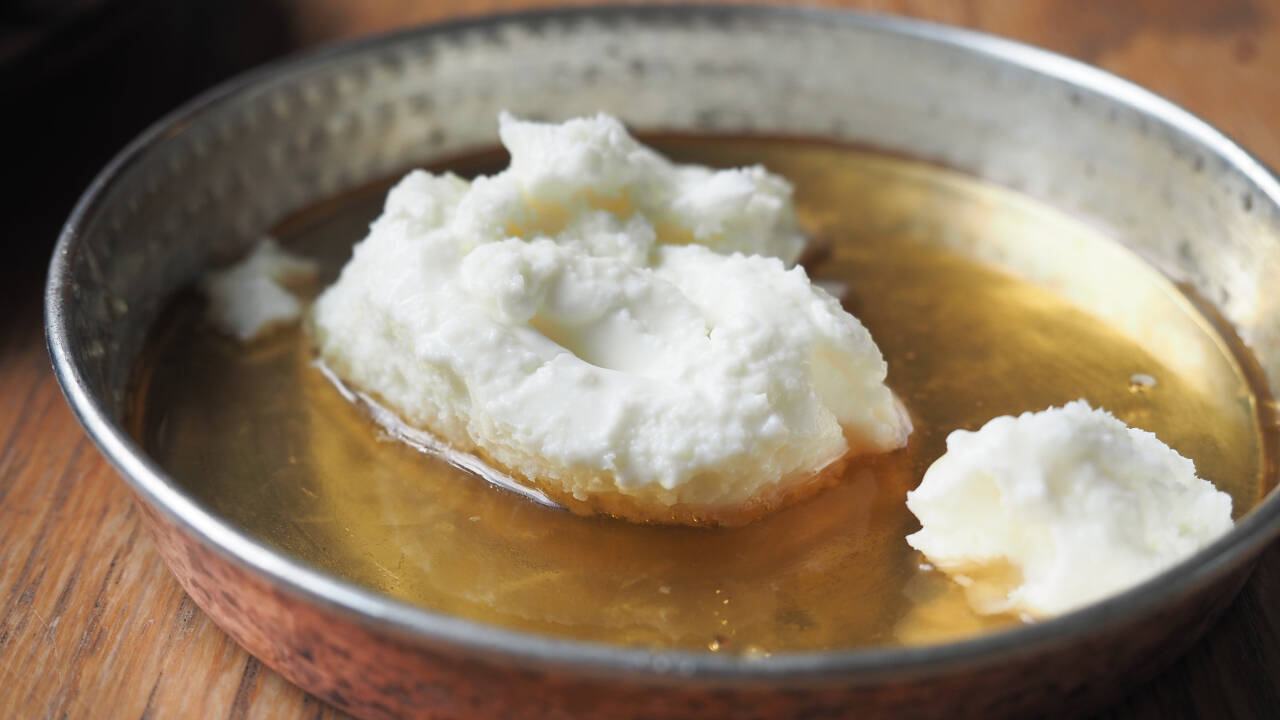
It is found that butter made from cattle fed grain-heavy diets often contains less beta-carotene. For instance, goats convert all of the beta-carotene they consume into colorless vitamin A before it reaches the milk. Hence , goat milk and goat butter are much whiter in colour.
Do manufacturers add colour to butter as well
While manufacturers generally don’t artificially enhance the color of butter, some players do add a natural coloring called annatto, which is extracted from the seeds of the achiote tree, to create a more consistent golden appearance throughout the year. This practice helps maintain the familiar color consumers expect, especially during seasons when cows consume less fresh grass and the butter would otherwise appear pale.
Does yellow butter mean it’s healthier than white ones
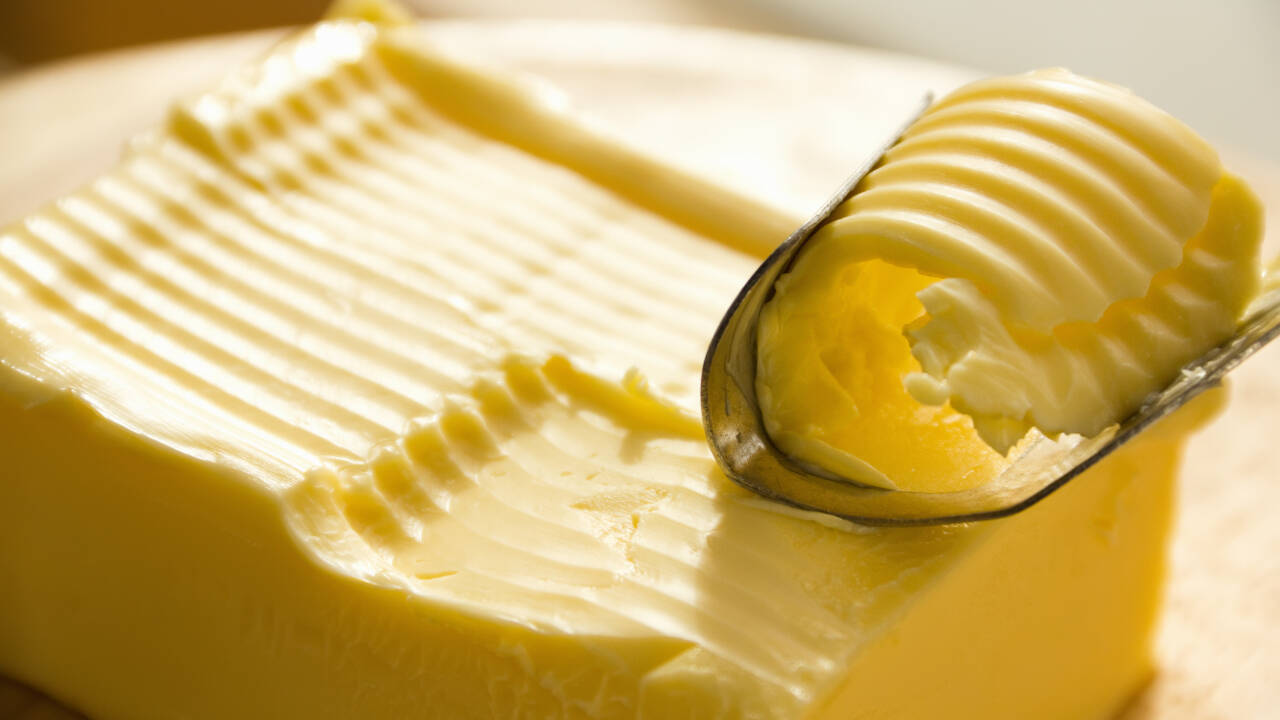
According to experts, a darker yellow shade indicates higher levels of beta-carotene, an antioxidant that the body can convert into vitamin A. However, the color of butter alone should not be considered a measure of its overall nutritional quality. Several other factors including the cattle’s diet, butter manufacturing process and farming practices, all influence the final product.