









When did you last have a real conversation with your teenager? Not about homework. Not about dinner. Not about what time they need to be back home. A real conversation. One where they actually told you something that mattered to them. If you are struggling to remember, you are not alone. And the good news is, you do not need hours of free time or a perfect weekend plan to fix it. You need exactly 21 minutes a day.
What is the 7-7-7 rule, actually?
3 Jul 2026 | 12:38
How do you teach children about money and financial responsibility?
The 7-7-7 rule is one of the simplest and most powerful parenting ideas to come along in years. It works like this. Every day, you give your teenager three windows of seven minutes each. Seven minutes of talking. Seven minutes of doing something together. And seven minutes of just listening, without interrupting, without fixing, without telling them they are overreacting. That is it. Twenty-one minutes. Broken into three small, completely manageable moments across the day. No special occasion needed. No long heart-to-heart required. Just consistent, distraction-free presence, every single day.
How to make each 7 minutes count

Morning: the 7 minutes that set the whole day. Instead of shouting reminders from across the house or asking if they finished their homework, sit with your teenager at breakfast. Ask what they are looking forward to that day. Share a small joke. A warm hug before they leave or a simple “You have got this” can change the entire tone of their morning in a way you will not even see, but they will absolutely feel.After school, the 7 minutes nobody gets right This is the hardest window. Your teenager walks through the door tired, sometimes irritable, sometimes just needing quiet. The worst thing you can do is immediately ask about marks, teachers, or homework. Instead, put a snack on the table. Sit nearby. Ask something light, like “What was the funniest thing that happened today?” or simply “How are you feeling?” Your calm, unhurried presence at this moment tells them something words cannot: home is safe. You are safe.
Before bed, the 7 minutes when teenagers actually talk
This is the golden window. Something about the quiet of the night, the darkness, the end of the day, makes teenagers more willing to say the things they have been carrying all day. Sit on the edge of their bed. Do not look at your phone. Do not rush them. Just be there. The conversations that happen in these seven minutes are often the ones that matter most. The most important 7 minutes of allOf the three windows, parenting experts say the listening minutes are the most powerful and the hardest. Because listening without interrupting does not come naturally. The urge to correct, advise, minimise, or solve is strong. “You will get over it.” “It is not a big deal.” “Just ignore them.”But teenagers who feel consistently unheard do not stop having feelings. They stop sharing them with you. And that gap, once it grows, takes a very long time to close. When you simply listen, when you validate before you advise, when you let them finish without jumping in, you are doing something far more important than solving a problem. You are becoming the person they trust enough to come to when the problems are serious.
Why this works especially well in Indian homes
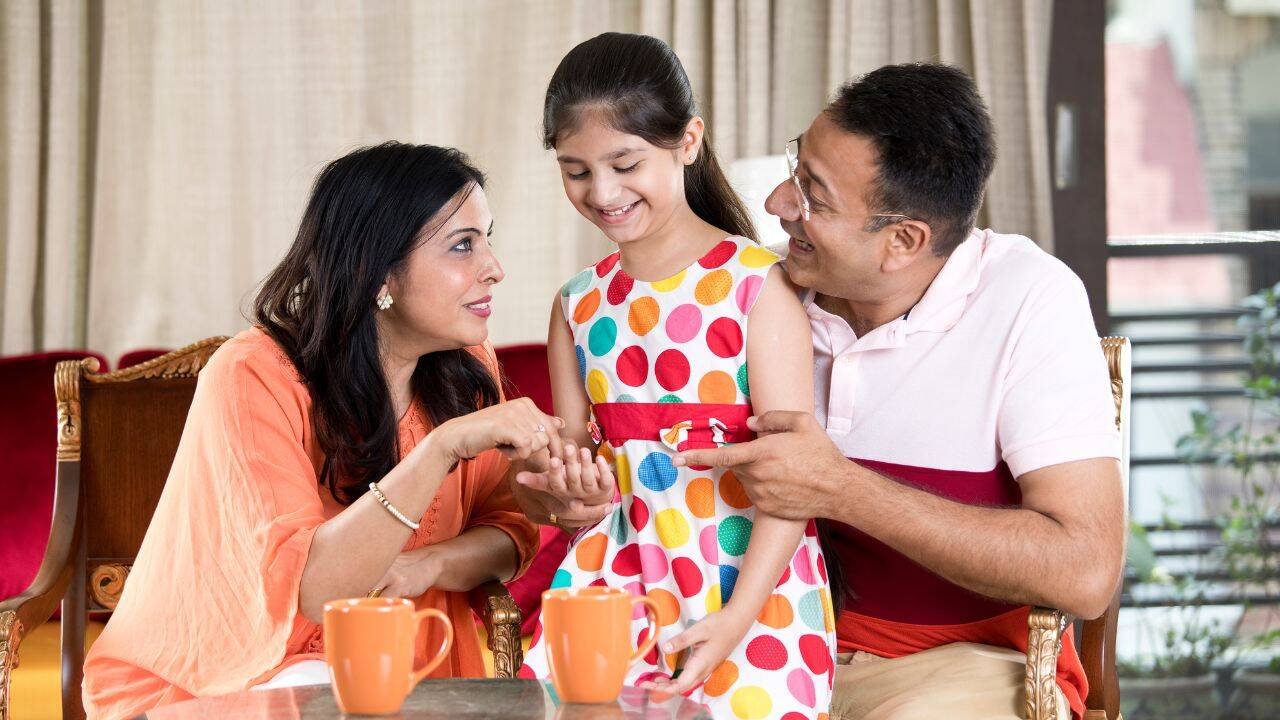
Indian families carry enormous pressure. Academic expectations are high. Schedules are full. And conversations between parents and teenagers often shrink down to instructions and logistics. The 7-7-7 rule fits into any Indian home because it does not demand perfection. Five minutes on a hard day still counts. A quick walk after dinner counts. Helping pack a school bag while chatting counts.What matters is not the clock. It is the consistency and the genuine interest behind it. Because your teenager does not need you to be available for hours. They need you to show up, fully, for a few minutes, every single day. Twenty-one minutes. That is all it takes to make them feel seen, valued, and safe through what are honestly the most turbulent years of their entire life.