








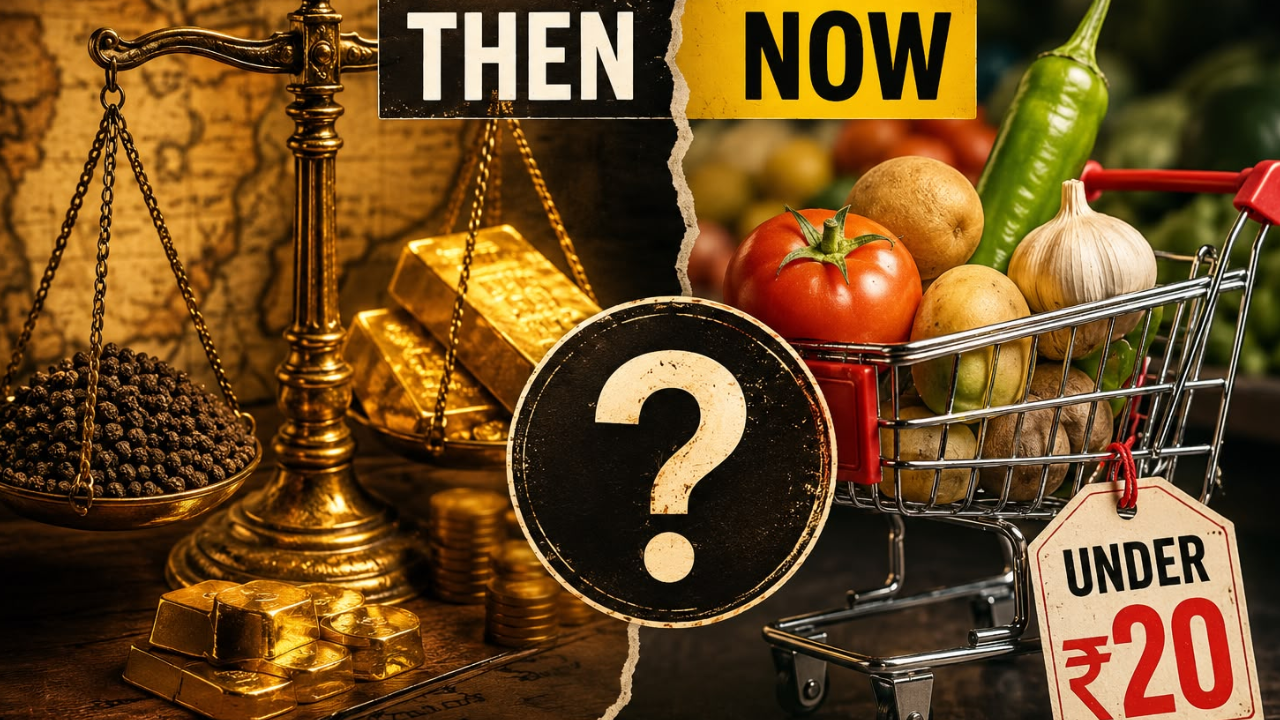
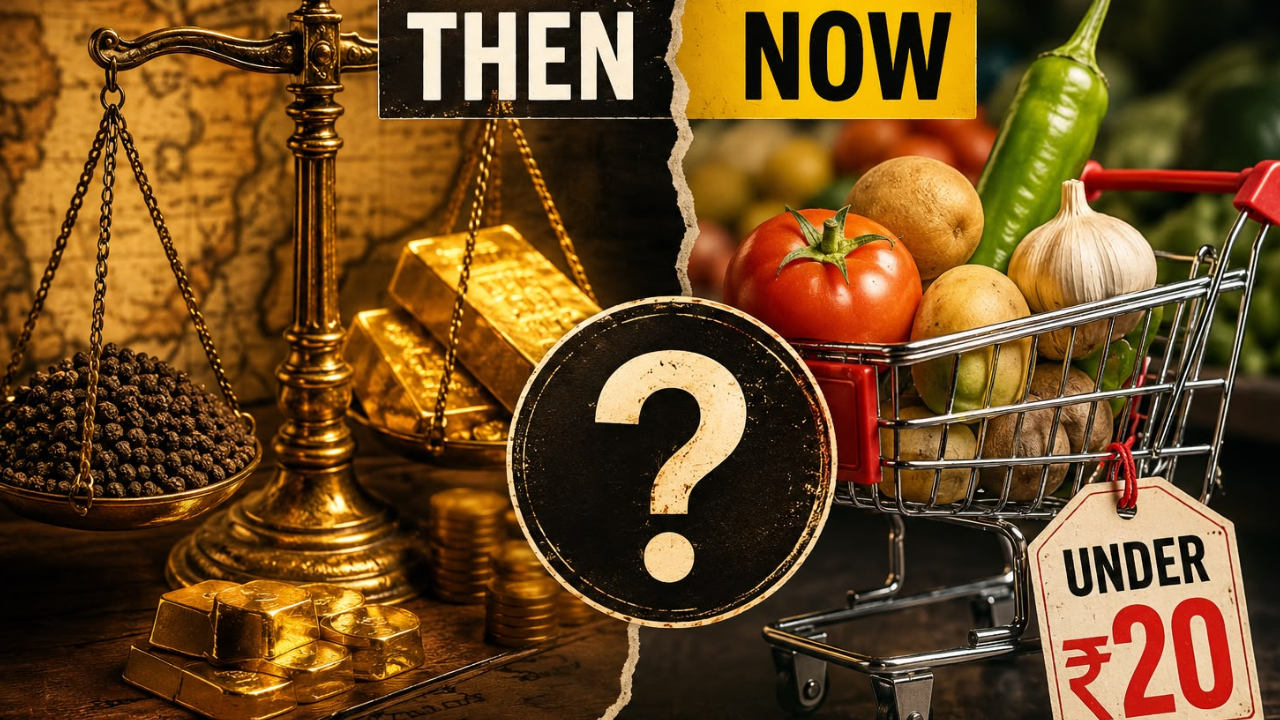
Today, salt is one of the cheapest items in the kitchen. A small packet costs just a few rupees, yet there was a time when this humble mineral was considered as valuable as precious metals.
Before refrigeration existed, salt was essential for preserving food. It kept meat, fish and vegetables edible for weeks or even months, making it indispensable for families, armies and long-distance travellers. Without salt, storing food safely was nearly impossible, giving it enormous economic and strategic importance.
Its value shaped entire civilisations. Ancient trade routes were built specifically to transport salt across continents, while towns and cities prospered because they controlled salt production. In parts of Africa, blocks of salt were exchanged like currency, and the famous Roman road, the Via Salaria, was created to move this prized commodity across the empire.
Salt became so deeply connected with wealth that the English word “salary” is believed to originate from the Latin word salarium, referring to an allowance associated with salt. While historians continue to debate whether Roman soldiers were literally paid in salt, the connection reflects just how valuable the mineral once was.
Today, however, the same ingredient that once influenced economies sits quietly on dining tables around the world, costing less than a cup of tea.