







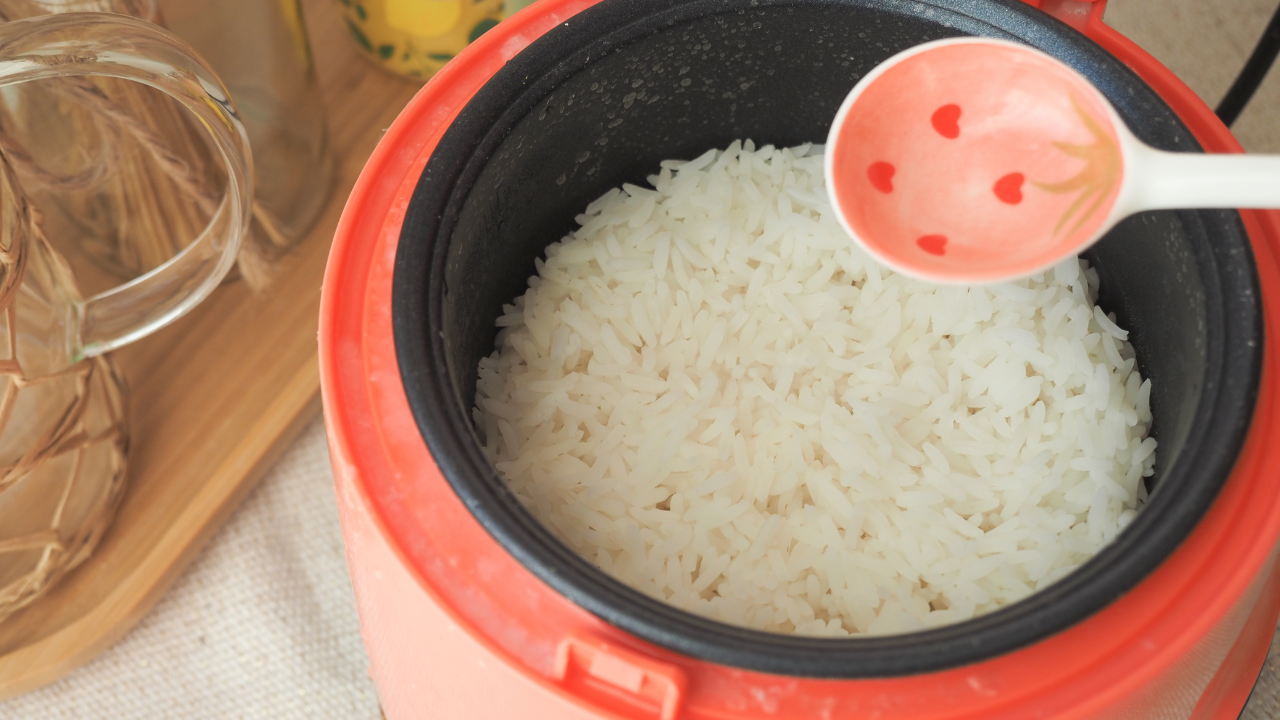
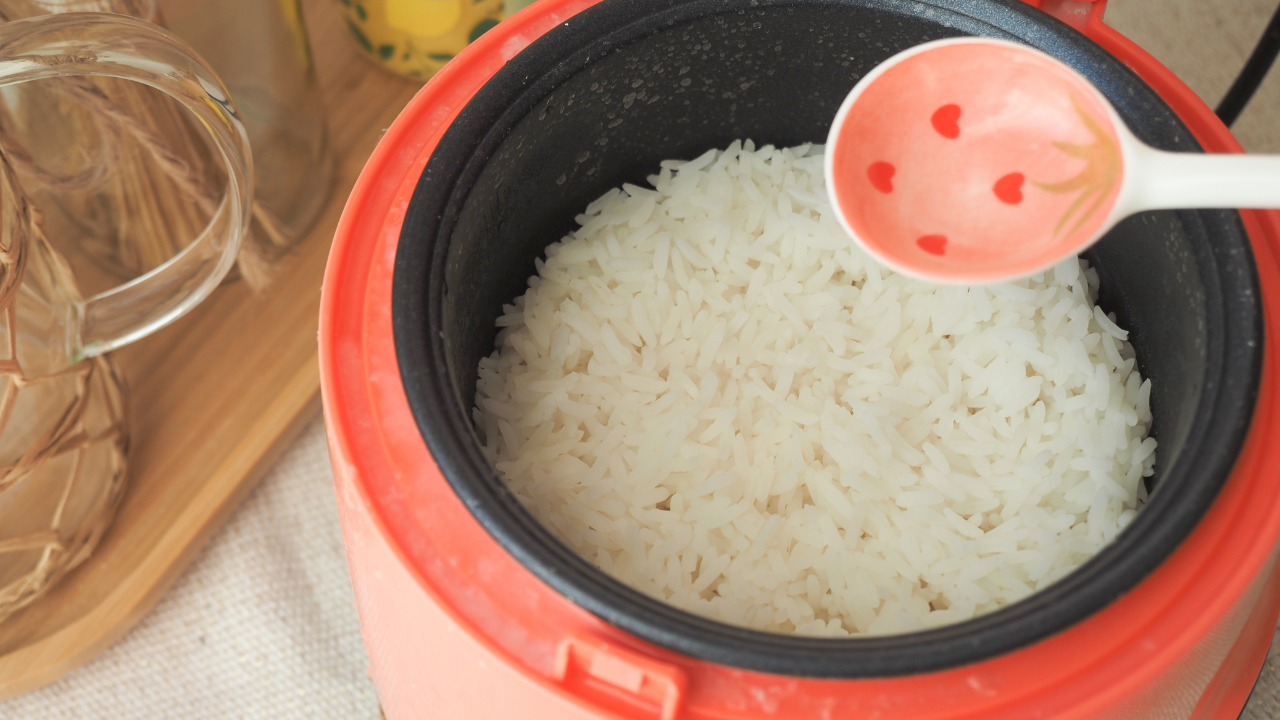
Before electric appliances became common, Japanese families cooked rice in a heavy iron pot called a hagama, usually placed over a traditional stove. The method demanded careful attention to heat, following a time-honoured sequence that begins gently, increases to a vigorous boil and then finishes over lower heat before steaming.
This technique became so respected that it inspired a famous Japanese saying advising cooks not to lift the lid “even if the baby cries,” emphasising the importance of uninterrupted steaming. The result is rice with distinct, well-separated grains, a glossy finish and deep natural sweetness. Even today, many traditional restaurants continue to rely on hagama for premium rice service.