







That bloated, heavy feeling after a meal, or the awkward gas that shows up at the worst possible moment, is something almost everyone deals with from time to time. More often than not, it comes down to what’s on the plate, too much processed food, not enough fibre, or eating in a hurry without giving the gut a chance to keep up. The good news is that fixing it doesn’t always require medication or a complicated diet overhaul. A handful of everyday fruits are genuinely effective at easing digestion, reducing bloating, and keeping things moving smoothly through the gut. Here are six worth adding to your daily routine.
Papaya
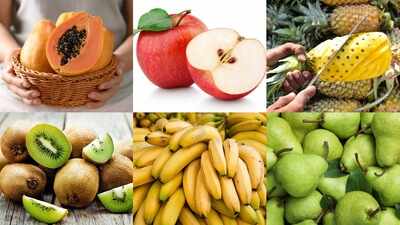
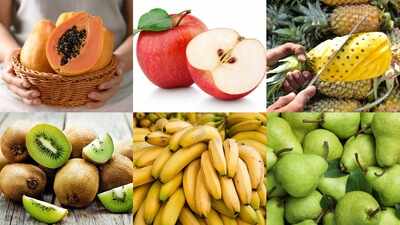
Papaya is a fruit that doctors and nutritionists often recommend for digestive troubles, and it’s easy to see why. It has an enzyme called papain which helps to break down proteins more efficiently, relieving the load on your stomach after a heavy meal. It is also high in fibre, which keeps bowel movements regular and can help prevent the constipation that often leads to bloating and gas. Eating a bowl of ripe papaya, especially earlier in the day, is a simple habit that can noticeably ease that heavy, sluggish feeling.
Banana
Bananas are easy on the stomach and full of soluble fibre known as pectin that helps regulate digestion both ways, relieving constipation when things are too slow, and firming things up when they’re too loose. They are also high in potassium that helps to counteract sodium and reduce water retention that can lead to that bloated feeling. A ripe banana on an empty stomach or as a mid-meal snack is an easy, low-effort way to keep digestion steady through the day.
Kiwi
Kiwi doesn’t always make the list, but it probably should. It contains an enzyme called actinidin that helps break down proteins, similar to papaya, along with a solid dose of fibre that supports regular bowel movement. Several small studies have pointed to kiwi specifically helping with symptoms of bloating and irregularity, making it a good after-meal fruit rather than just a breakfast addition. The skin, if you can stomach the fuzzy texture, actually carries even more fibre than the flesh alone.
Pineapple
Pineapple’s digestive reputation comes down to bromelain, an enzyme that helps break down protein and is often credited with easing bloating after a heavy, protein-rich meal. It’s commonly eaten after meals in many cultures for exactly this reason. Beyond bromelain, pineapple’s natural water content and fibre also support smoother digestion overall. It’s worth eating in moderation, though, since its acidity can occasionally cause discomfort for people with a sensitive stomach or acid reflux issues.
Apple
An apple’s high fibre content, especially the pectin concentrated in its skin, makes it one of the most dependable fruits for gut health. Pectin acts as a mild natural laxative while also feeding the good bacteria in your gut, which plays a bigger role in digestion and gas than most people realise. Eating apples with the skin on, rather than peeled, makes a real difference in how much fibre you’re actually getting. It’s an easy, portable option for keeping digestion on track through a busy day.
Pear
Pears are often overlooked, but they’re one of the higher-fibre fruits available, with a good mix of both soluble and insoluble fibre that supports smooth, regular digestion. They also contain natural sugars like fructose and sorbitol, which can have a mild, gentle laxative effect when eaten in moderation. For anyone dealing with occasional constipation-related bloating, a ripe pear eaten with the skin on is a simple, effective addition to the day’s diet.
Disclaimer:
This article is for general informational purposes only and is not a substitute for professional medical advice. Occasional gas and bloating are usually harmless, but persistent, severe, or worsening digestive discomfort could indicate an underlying condition and should not be self-treated with diet alone. Individuals with existing digestive disorders, food allergies, or those on medication should consult a doctor or registered dietitian before making significant dietary changes.