








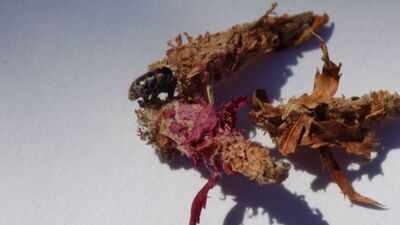
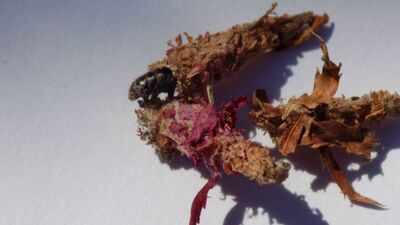
Imagine building a house around yourself and then carrying it wherever you go. That is what a bagworm caterpillar does. The small insect uses silk from its own body along with leaves, twigs and other material from its surroundings to make it a protective case.Bagworm moths are found in many parts of the world. According to NC State Extension Publications, during the caterpillar stage, they make their cases using silk produced by their bodies. Then they add pieces of material from their surroundings including leaves, twigs and other plant debris. This creates a small covering that grows along with the caterpillar.Some bagworms use tiny sticks and twigs, which can make their cases look like small log cabins. Because the caterpillar carries the case on its back, the insect can be difficult to notice. The case can blend into the surroundings, making the animal look like a small piece of plant material rather than a living creature. The bag therefore becomes both a shelter and a form of camouflage.
The backpacker insect
Bagworms such as Thyridopteryx ephemeraeformis make cone-shaped bags from silk and pieces of plant material and other debris. The size of these bags can range from about 1/4 inch to more than 2 inches, depending on the size and age of the caterpillar inside.The caterpillar does not build the entire structure once and then leave it unchanged. Instead, the bag grows as the caterpillar grows. More material is added to the outside, helping the case become larger and also providing camouflage.Newly hatched bagworms crawl towards foliage to feed or travel on silken threads that can be carried by the wind. This behaviour is called ‘ballooning’ and helps the young caterpillars reach new plants.Once a caterpillar finds a suitable plant, it begins making its own small bag from silk and plant debris. At this stage, the case can look like an upside-down ice cream cone. As the caterpillar becomes bigger, it adds more material to the outside.
Eggs inside bag
The bag becomes especially important later in the insect’s life. Female bagworms can lay between 500 and 1,000 eggs inside their bags before they die in autumn.The eggs remain inside the bag through winter. They hatch in May and June, producing a new generation of young caterpillars. These young larvae then leave and begin the process of finding food and building their own cases. This means an old-looking bag hanging from a tree may not be empty.The life cycle of bagworms is also unusual because males and females develop differently. In August, mature caterpillars enter the pupal stage inside their bags. Later, adult bagworms emerge.Male bagworms become small moths with wings and leave their bags to look for females. Female bagworms are very different. They are wingless and legless and remain inside their bags rather than flying away.The two meet for mating through an opening at the bottom of the bag. After mating, the female lays her eggs inside her pupal cast skin within the bag and then dies.