








There’s a particular kind of satisfaction in watching a sparrow or sunbird discover a feeder made entirely from things that were headed for the bin, an old muffin tray, a chipped colander, a wine bottle nobody got around to recycling. The trick to keeping these projects genuinely interesting is looking past the usual suspects, since most households have far more feeder-worthy items tucked away than they realise. Here are five creative builds that go beyond the obvious, using kitchen and garden items you’ve probably got sitting around right now.
Muffin tin platform feeder
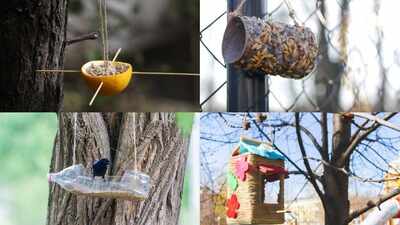
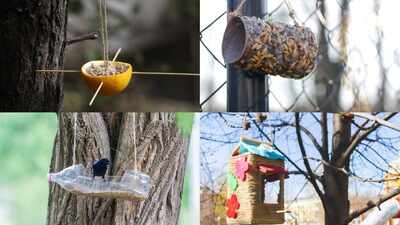
An old, worn-out muffin tray works surprisingly well as a multi-compartment feeder, letting you offer different seed types or a mix of seed and dried fruit side by side in the same setup. Simply fill each cup with your chosen bird food and secure the tray to a flat surface, a railing, a low wall, or a sturdy platform, using wire or strong string threaded through holes at the corners. If you’d rather hang it from a tree, running wire through two opposite corners and looping it over a branch works just as well. It’s a genuinely practical option for households that like to experiment with different seed mixes at once.
Cookie cutter suet ornaments
This one turns feeding birds into an actual craft project. Mix melted suet or a suet substitute with birdseed; press the mixture firmly into metal cookie cutters shaped however you like- stars, hearts, or simple rounds- and poke a small hole near the top of each with a straw before it sets. Once hardened in the refrigerator, pop the shapes out and thread ribbon or string through the holes to hang. Worth knowing for Indian conditions specifically: suet-based feeders are best suited to cooler months, since the fat content can soften and turn messy in serious heat, so this one works best as a winter project rather than a year-round fixture.
Terracotta saucer platform feeder
Nearly every Indian household has a spare terracotta saucer lying around from an old plant pot, and it makes for a genuinely sturdy, weather-resistant feeder. Rather than hanging it upside down suet-style, which only really suits cold climates, simply mount the flat saucer horizontally on a post, a railing, or suspended level with wire through a few small drilled holes, then fill it with seed. Because it sits flat and open, it works reliably through every season, and terracotta holds up to sun and rain far better than plastic or cardboard alternatives ever could.
Wine bottle gravity feeder
For a slightly more ambitious build with a genuinely clever mechanism, an empty wine bottle can be turned into a self-refilling feeder. Build or repurpose a small tray with a low wooden frame, then invert the bottle so its neck sits roughly half an inch above the tray’s surface before securing it in place. As birds eat the seed sitting in the tray, gravity automatically lets more trickle down from the bottle to replace it, meaning the feeder tops itself up without any daily effort from you. It also happens to look genuinely striking once set up, more like a piece of garden decor than a repurposed bottle.
Colander hanging feeder
This might be the fastest project on the entire list. An old metal or plastic colander, the kind normally used for draining pasta or rinsing vegetables, already has everything a feeder needs built right in: a sturdy bowl shape and a mesh of holes that let excess moisture drain away rather than letting seed turn damp and mouldy. Simply thread wire or rope through a few of the existing holes near the rim, gather them at the top, and hang it from a branch or hook. Fill it with seed and you’re done, no cutting, no gluing, no waiting for anything to set.
Old kitchen items, new purpose
What ties all five of these together is that none of them needed a single new material, just a fresh look at things that were already sitting in a drawer or a garden shed. Once you start noticing how many household shapes double nicely as a bowl, a tray, or a hanging vessel, it becomes hard to look at a chipped mug or a battered old pan the same way again.
Disclaimer:
This article is intended for general informational purposes only. When making suet-based feeders, monitor them regularly in warm weather, as fat-based mixtures can spoil or turn rancid in heat. Clean all feeders periodically to prevent mould, and ensure any adhesives, paints, or materials used are non-toxic and safe for wildlife.