







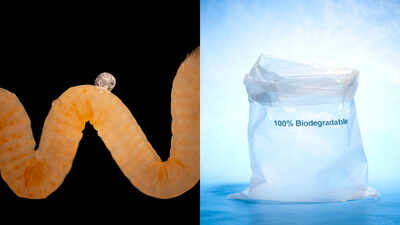
Long before humans learned how to turn petroleum into bottles and bags and packaging, nature had already invented her own plastic. These natural polymers have been made for hundreds of millions of years hidden inside microorganisms living in soils, sediments and oceans – and new research suggests animals have been eating and breaking them down for almost as long. Researchers at the Max Planck Institute for Marine Microbiology in Bremen, Germany, found that a surprisingly wide range of animals have enzymes that can break down polyhydroxyalkanoates, or PHAs. These natural substances are produced by microorganisms as a carbon and energy reservoir, and are now being developed as biodegradable alternatives to conventional plastics. A report published by Science Daily states that the finding may provide new insights into how carbon is cycled through ecosystems and may also help scientists understand the potential for biodegradable plastics in a world struggling with plastic pollution.
Nature’s first plastic
Many bacteria and archaea naturally produce PHAs. If microorganisms have excess carbon they do not need, they can convert it into PHA and store it within their cells. For the uninitiated, PHAs are very similar to an energy reserve in that way. PHAs can be degraded by biological processes, unlike traditional plastics that may persist in the environment for long periods. They occur naturally in soils, sediments and aquatic environments, making them one of the relatively few naturally produced plastic-like materials that are fully biodegradable. Scientists have known that microorganisms can degrade these compounds. Less certain was whether animals could access the carbon stored within microbial PHAs. Now, a study published in the journal Nature Ecology & Evolution has shown that they can.
A strange marine worm gives the clue
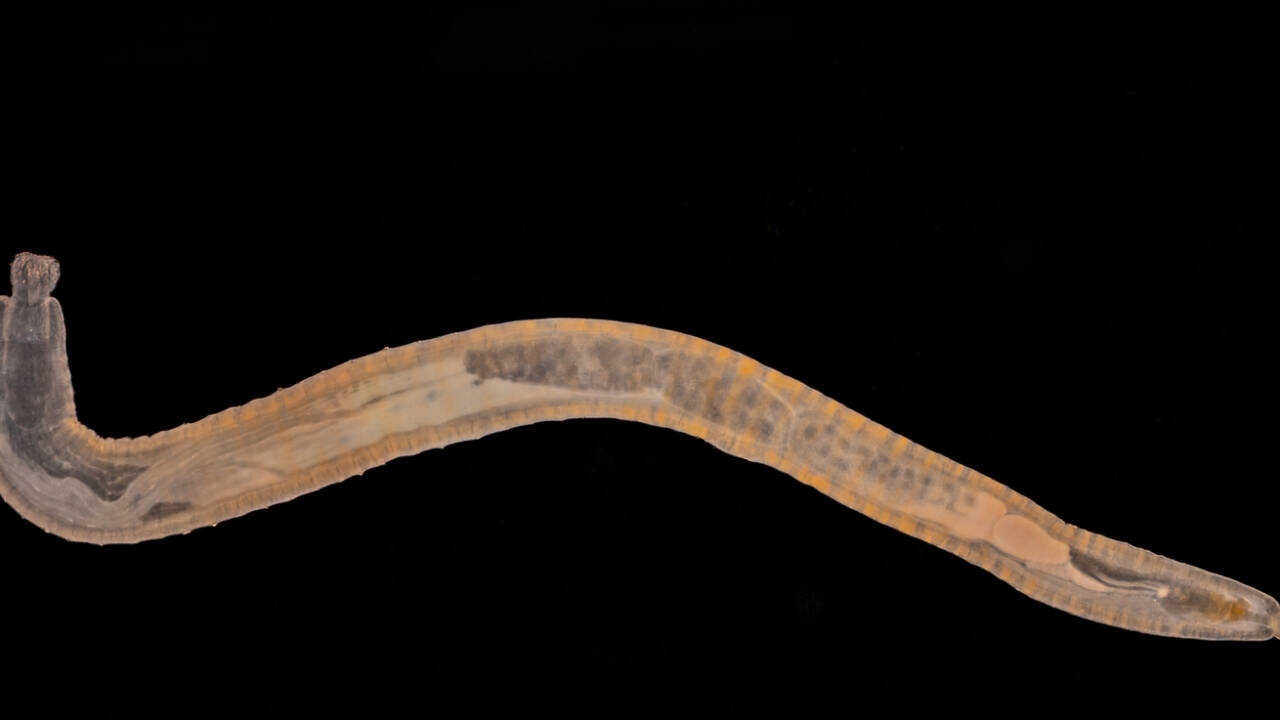
Scientists found an enzyme in a worm that can break down PHAs into smaller molecules that animals can utilize.
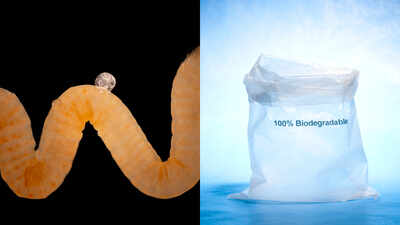
If we go by the report, the study began with an unusual marine worm, Olavius algarvensis. The little animal has neither a mouth nor a digestive tract. Instead, it relies on the bacteria that live under its skin. The worm derives its nutrients from digesting its bacterial partners, establishing a unique relationship between animal and microorganism. Researchers found that one of the worm’s bacterial symbionts stores a lot of carbon in the form of PHA. That raised an interesting question: had the worm evolved a way to break down that material and tap its stored carbon? Scientists found an enzyme in a worm that can break down PHAs into smaller molecules that animals can utilize. High-resolution imaging suggests the enzyme is produced by the worm in the same place where it digests its bacterial partners. The finding implies that the worm is able to tap the energy stores of its symbiotic bacteria.
The ability is not limited to one worm
Also, the finding became even more significant when researchers looked beyond Olavius algarvensis. Looking at animal genomes, the team found related enzymes in more than 66 species in nine different animal groups. Further evidence came from laboratory experiments. Enzymes from distantly related animals, including a sponge, an earthworm and a springtail, also degraded PHAs. The researchers were surprised at that wide distribution, as the studied species are separated by huge evolutionary distances. This points out that the ability to consume these naturally occurring microbial plastics may be far more widespread among animals than scientists previously thought.
From microbial reserve to bioplastic
This is especially interesting because humans have started making PHAs for many of the same properties that make them useful in nature. It is reported that industrial PHA is produced by growing bacteria in fermentation tanks and feeding them with carbon-rich materials such as sugars, starches or plant oils. The microorganisms accumulate large amounts of PHA under appropriate conditions. It can then be harvested and turned into products that are like plastic. Also, materials based on PHA are moldable and stable enough to be used for various applications. They are being developed and used in applications such as food packaging, hygiene products and agriculture.In agriculture, PHA beads can encapsulate fertilizers and release them slowly as the material breaks down. Medical uses include wound dressings, pharmaceutical delivery systems, resorbable implants and sutures designed to degrade in vivo. They are appealing in part because of their biological circularity: they can be produced by microorganisms, but they can also be broken down by biological processes.
Can animals help to close the biological loop?
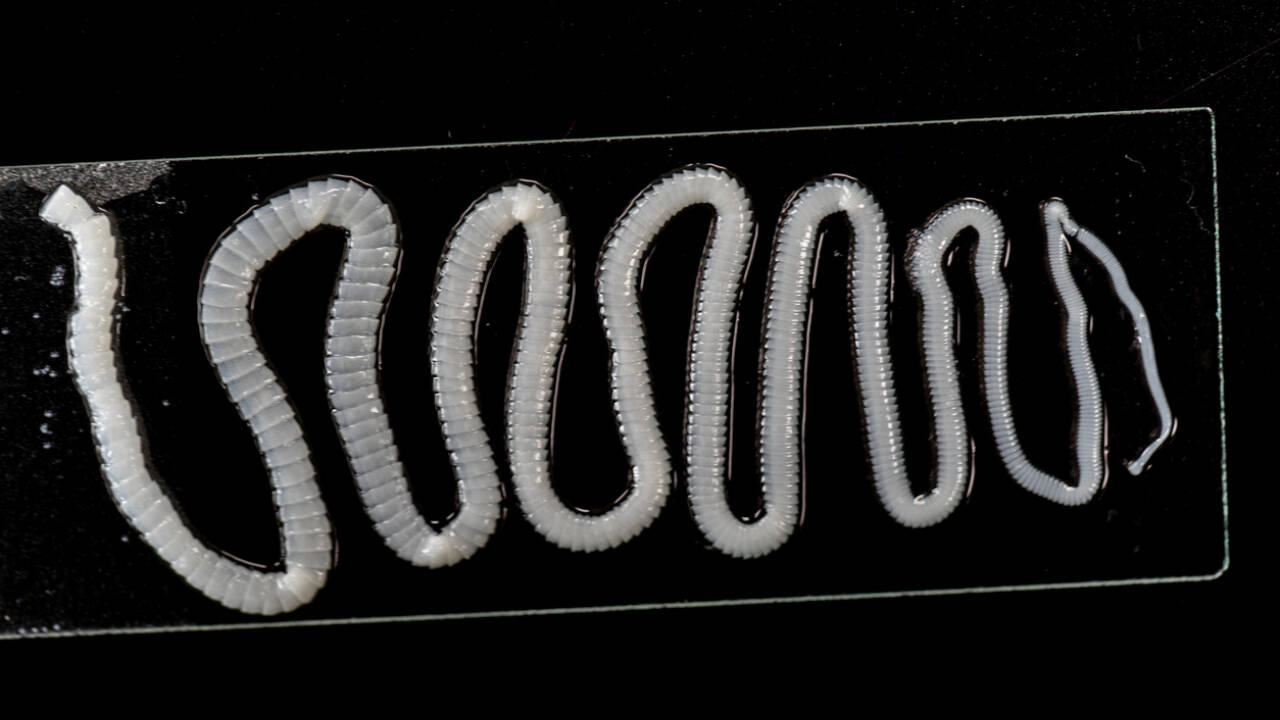
The report states that if animals are naturally endowed with enzymes able to degrade PHAs, they could take part, together with the microorganisms, in the degradation of these compounds in ecosystems.
The new findings give a new twist to that cycle. The report states that if animals are naturally endowed with enzymes able to degrade PHAs, they could take part, together with the microorganisms, in the degradation of these compounds in ecosystems. That could make it easier for microbial carbon, thought to be locked away inside bacterial cells, to enter animal food webs. How common and significant this process is in nature is still being worked out by scientists. They do not yet know how much carbon moves through this pathway globally, or how significant animal digestion of PHA is relative to microbial degradation. But the finding alters the way scientists think about the relationship between microorganisms and the animals that consume them.
What the plastic crisis is all about
These findings, however, should not be considered evidence that animals can simply solve the world’s plastic pollution problem. PHAs are inherently different to the conventional plastics which dominate current waste streams. Most of the plastic accumulating in landfills, oceans and ecosystems is not made from microbial PHAs and is not necessarily capable of being broken down using the enzymes found in this research. Instead, the research points to a biological system that has been around for a very long time. It is important to note that this knowledge could eventually help scientists design better biodegradable materials or understand how new bioplastics behave when they enter natural environments.Images Courtesy: istock