







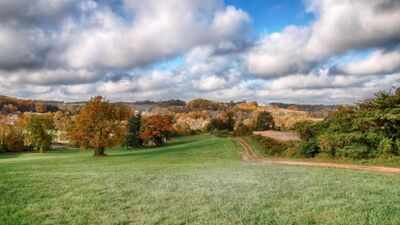
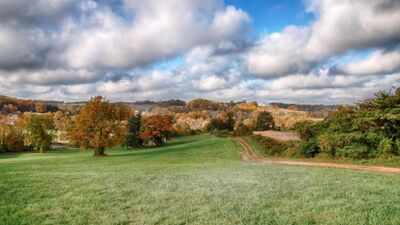
In 1906, industrialist William Poole Bancroft began buying land in Delaware’s Brandywine Valley to hold it in reserve for the health and well-being of the public. More than a century later, 1,359 acres of that land became the largest unit of First State National Historical Park.The story of the land, however, began much earlier. National Park service says the Brandywine Valley was originally home to the Lenape people, including the seasonal village of Queonemysing. The village was used for fishing and remained relatively undisturbed while Swedish and Dutch traders focused on the larger waterways in the area.That changed as English colonists, many of them Quakers, began moving further into the interior. Their arrival brought major changes to the valley and affected the Lenape community that had lived there. Over time, European settlement expanded into the area, changing how the land was used and occupied.By the early 18th century, Quaker immigrants had established farms and mills along the creeks. The waterways were important because they provided irrigation for fields, power for mills and routes for transportation. As settlement expanded away from the creek banks, farmers cleared more land and built stone farmhouses.The valley later developed a strong agricultural and industrial character. By the mid-19th century, farmers were cultivating much of the best agricultural land. The area also produced wool, finished cloth, paper and clover seeds. But the water-powered mills that had once played an important role gradually became outdated in the second half of the 19th century.
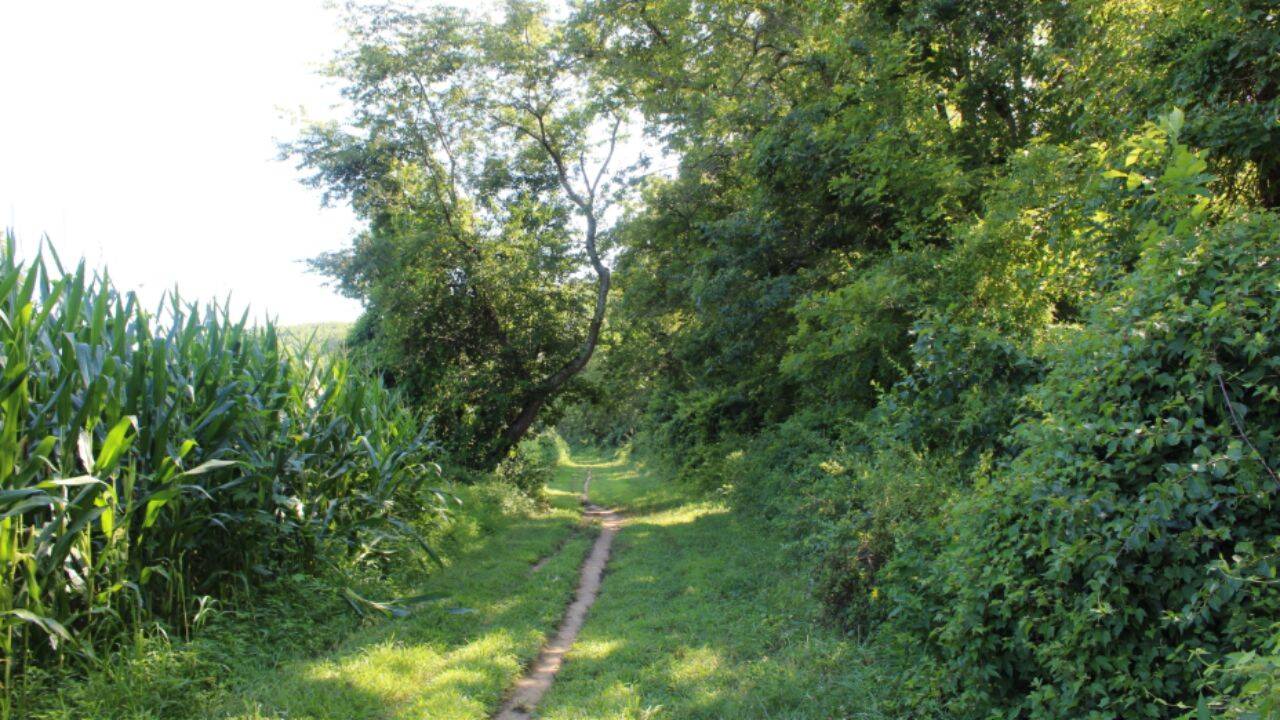
National Park Service proposes rule to allow bicycle use on designated trails
Bancroft begins buying land
By the early 20th century, many of the mills along the Brandywine Creek had stopped operating and fallen into ruin. It was during this period that Bancroft began purchasing property in the valley.Bancroft was an heir to the Bancroft textile mills on the Brandywine. Starting in 1906, he bought land from farmers and small-scale industrialists. His stated purpose was to hold the properties in reserve for the health and well-being of the public.Bancroft eventually acquired more than 1,300 acres. About 1,100 of those acres would later become part of the Brandywine Valley tract of First State National Historical Park.His efforts were not limited to simply buying land. In 1919, he formed the Woodlawn Company. The organisation was later renamed Woodlawn Trustees Inc. Its aims included creating affordable housing and acquiring land for parkland and open space.The land remained privately owned but served as a park for many years. That eventually changed when part of it was transferred to the National Park Service.In 2013, roughly 1,105 acres were donated to the National Park Service. Another 254 acres were donated in 2021. Together, these donations brought the Brandywine Valley unit to 1,359 acres, making it the largest unit of First State National Historical Park.
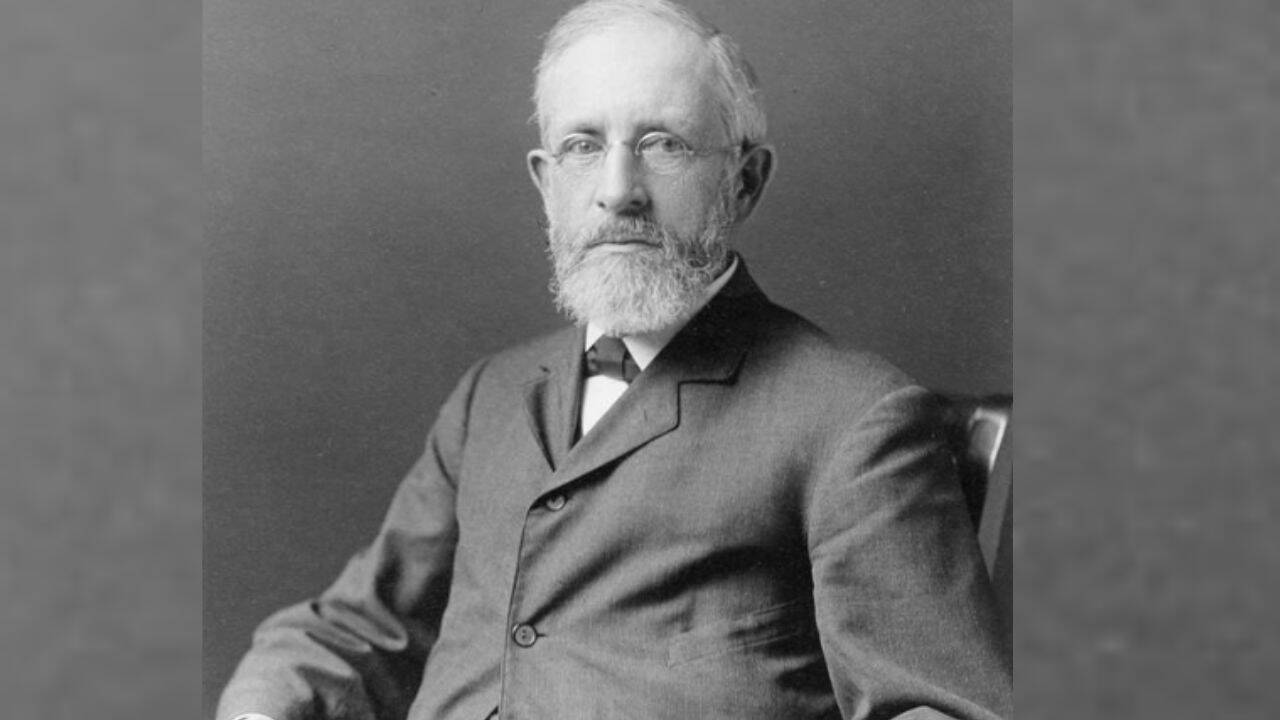
Bancroft’s stated purpose was to hold the properties in reserve for the health and well-being of the public.
Land becomes national Park
The land had already been used for recreation before it became part of the National Park Service. In 1959, the Woodlawn Trustees began building bridle paths so their officers and guests could explore more of the area.Some of the paths used existing farm roads, while others were newly created for recreation. By 1968, the paths had been opened to the public. People could use them for hiking, biking and horseback riding.The recreational use of the land has continued under the National Park Service. The Brandywine Valley unit now covers 1,359 acres along the border of Delaware and Pennsylvania.In 2024, the National Park Service completed a Comprehensive Trail Plan for the area. The plan sets out a designated shared-use trail network covering 27.8 miles. The plan includes rerouting, repairing and modifying trails in different parts of the Brandywine Valley unit.