



There are sporting events. And then there are social theatres disguised as sporting events. For more than three centuries, Royal Ascot has been one of Britain’s most glittering fixtures. Officially, it’s about horse racing. Unofficially, it’s a masterclass in status, spectacle and social choreography. Which is precisely why filmmakers can’t resist it.In cinema and television, Ascot rarely appears as a story about winning races. Instead, it becomes shorthand for Britain’s class system — a place where aristocracy performs tradition, etiquette and privilege under the watchful gaze of society.Every outfit matters. Every gesture is scrutinised. Every conversation carries weight.Think of it as society’s most elegant audition.My Fair Lady – The scene everyone remembersWhen people think of Royal Ascot on screen, one image invariably comes to mind: the iconic Ascot sequence from My Fair Lady (1964).Ironically, the horses barely matter.The famous “Ascot Gavotte” is less about racing and more about belonging — about who gets to enter elite society and who merely imitates it.
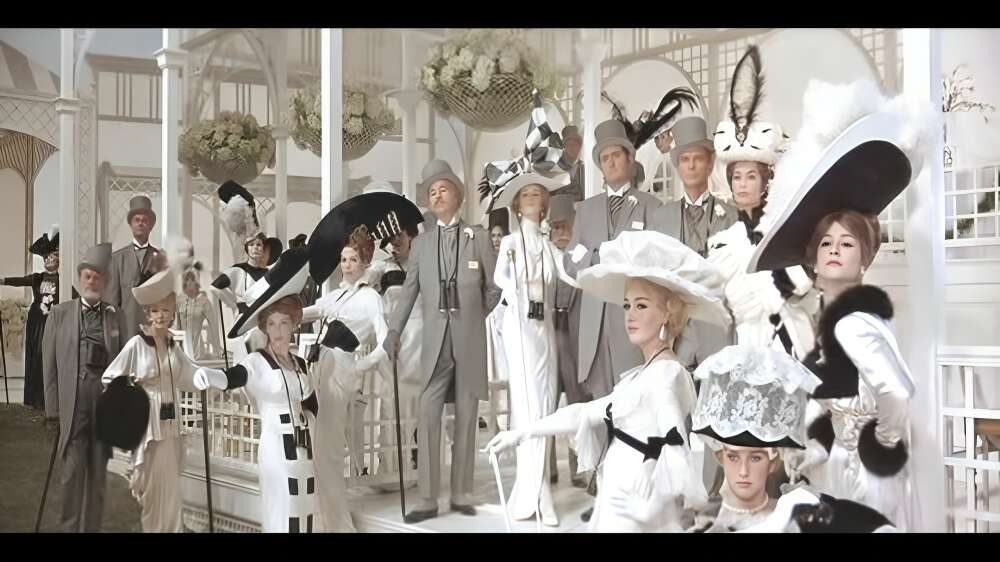
The iconic Ascot scene from My Fair Lady (1964)
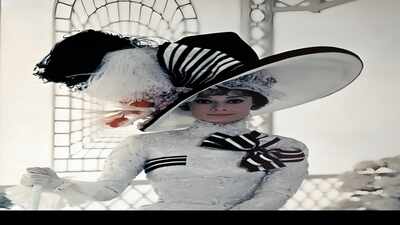
A crowd that barely movesCostume designer Cecil Beaton transformed Ascot into one of cinema’s most unforgettable visual spectacles.Guests arrive dressed almost entirely in black, white and grey. They glide in perfect synchrony, looking less like racegoers and more like exquisitely dressed mannequins.The effect is deliberate.The world of high society appears beautiful, refined and controlled — but also strangely lifeless.Then comes ElizaInto this sea of monochrome steps Eliza Doolittle. She looks impeccable. The dress is right. The hat is right. The posture is right. She has mastered every visible rule of aristocratic behaviour.But as My Fair Lady cleverly reminds us, appearance alone isn’t enough to secure acceptance.
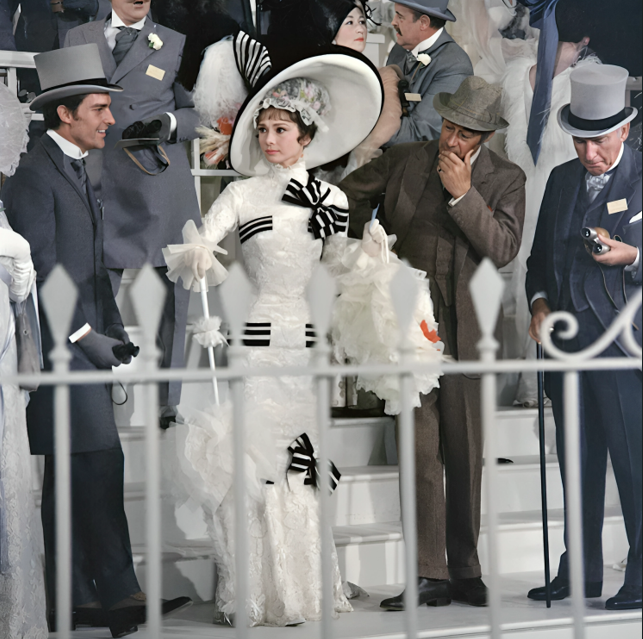
Audrey Hepburn as Eliza Doolittle
The dress that became historyFew costumes in film history are as instantly recognisable as Eliza’s Ascot ensemble. The black-and-white striped silk gown. The towering floral hat. One unforgettable silhouette.The outfit remains one of cinema’s most celebrated fashion moments because it perfectly captures transformation, aspiration and the desire to belong.
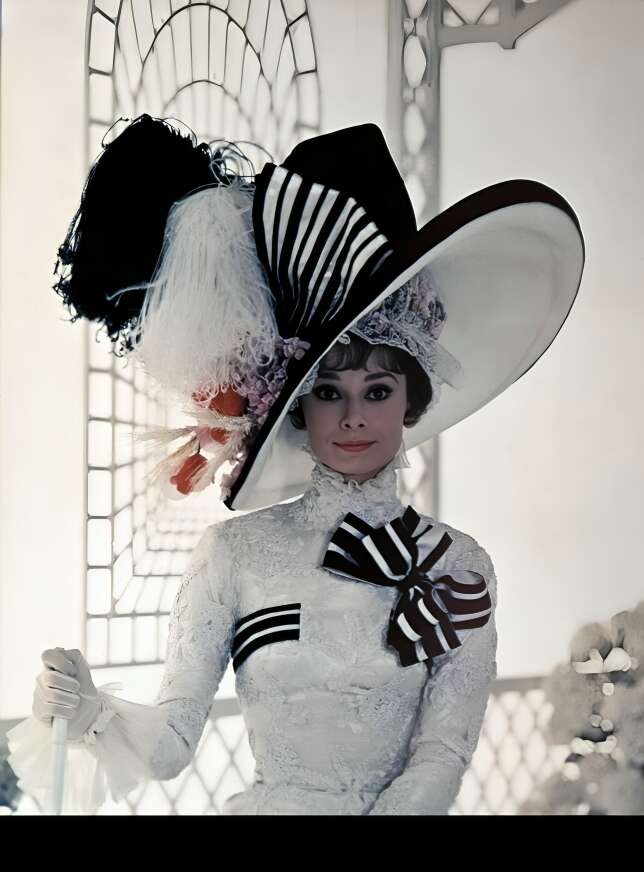
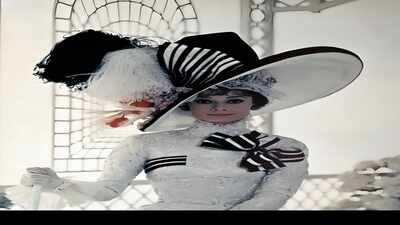
A solo portrait of Audrey Hepburn as Eliza Doolittle from My Fair Lady (1964), showing her in the elaborate white lace costume with the iconic black-and-white hat and parasol
A stage before it was a filmThe visual language of the Ascot sequence actually predates Hollywood. Cecil Beaton first created the same frozen, statue-like aesthetic for the 1956 Broadway production of My Fair Lady. The film simply expanded the scale, turning an already striking theatrical concept into a cinematic masterpiece.
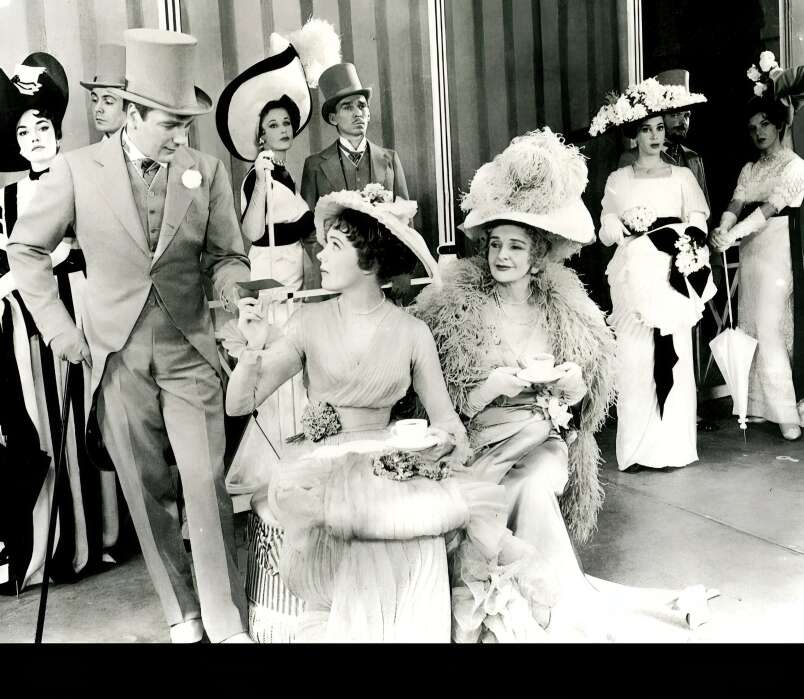
The famous “Ascot Gavotte” scene from the original 1956 Broadway production of the musical My Fair Lady
Why directors love Royal AscotWhen filmmakers choose Ascot as a setting, they’re rarely interested in who wins the race. They’re interested in the rules. Who receives an invitation. Who belongs. Who doesn’t.In countless period dramas, entry into the Royal Enclosure is treated almost like a coronation. Acceptance signals membership of the highest social circle. Exclusion, however polite, says just as much.Ascot isn’t merely a backdrop. It’s a social examination hall.The Black Ascot: When fashion became mourningOne of Ascot’s most striking real-life chapters unfolded in 1910.Following the death of King Edward VII, attendees arrived dressed entirely in black.The occasion became known as the ‘Black Ascot.’Photographs from the day remain hauntingly powerful and have since inspired filmmakers looking to evoke themes of grief, transition and the end of an era.It is fashion stripped of celebration and transformed into collective mourning.
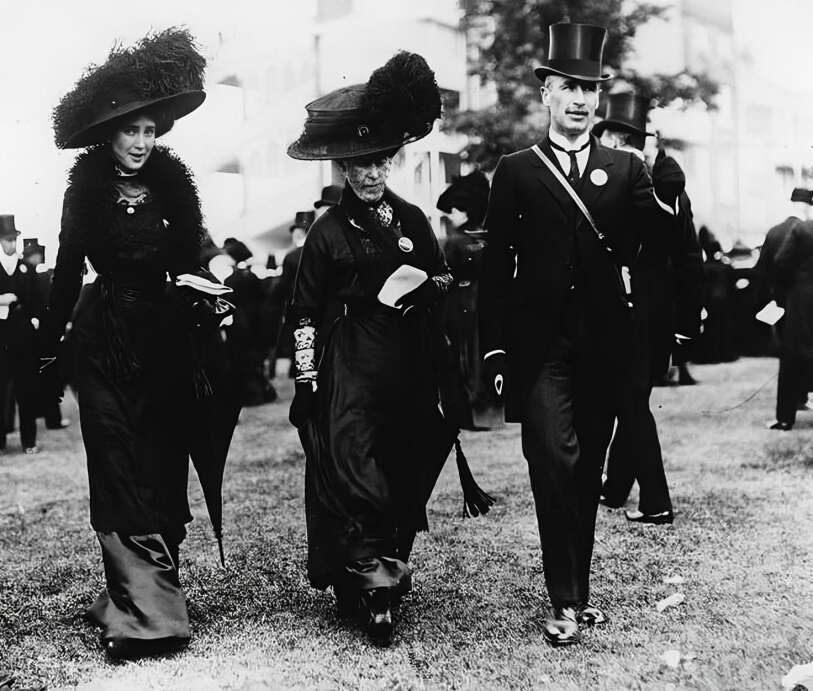
Attendees at the famous “Black Ascot” horse race in June 1910, an event where the entire crowd uniquely dressed in somber black
The crowd is the performancePerhaps that’s why Ascot continues to fascinate storytellers. Because the audience is often as compelling as the athletes. The extravagant hats. The morning suits. The opera glasses. The carefully rehearsed manners. It’s fashion theatre with a finish line.The Crown: The horse lover behind the crownIn The Crown, Ascot serves a different purpose.Rather than highlighting social performance, the series uses the event to reveal Queen Elizabeth II’s genuine passion for horses.For a brief moment, viewers see an enthusiast before they see a monarch. The racecourse becomes one of the few places where duty and personal joy intersect.
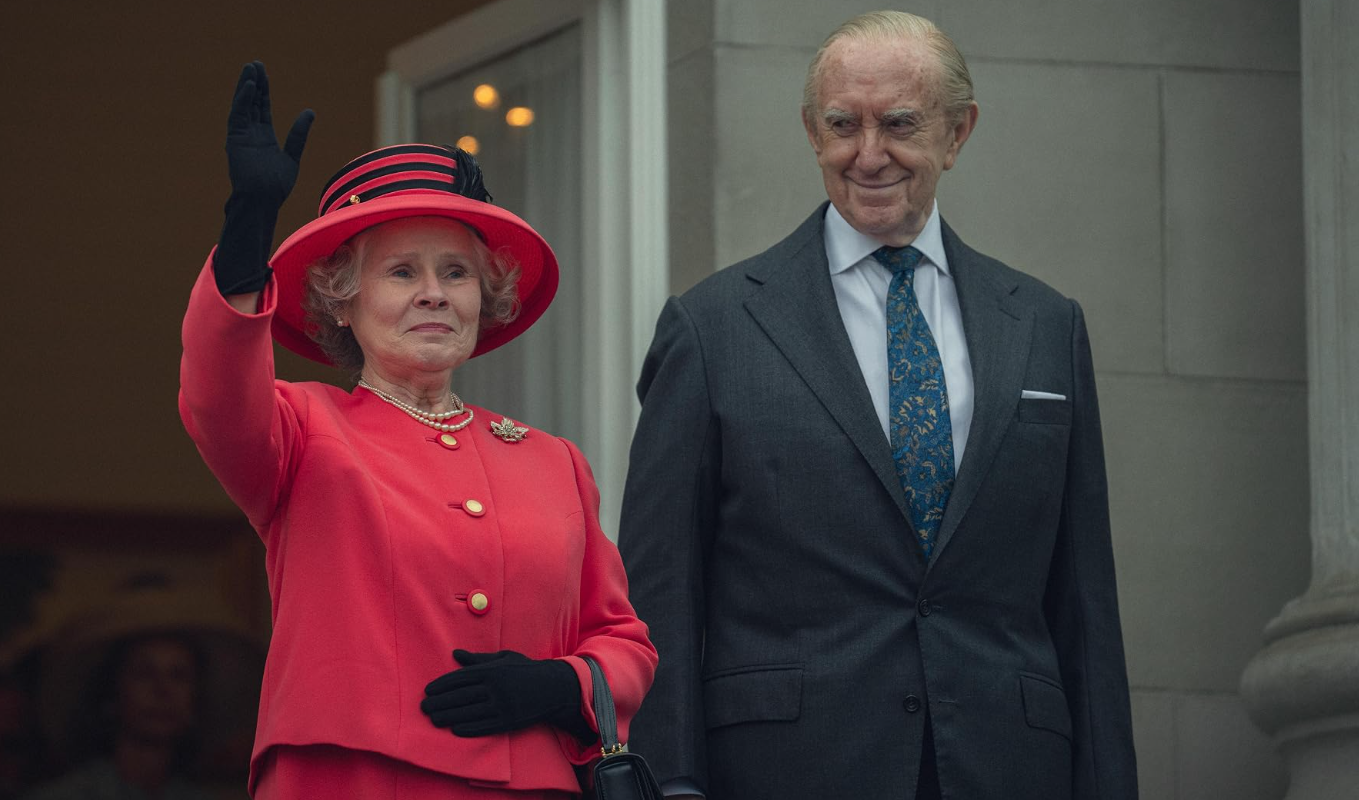
Imelda Staunton and Jonathan Pryce portraying Queen Elizabeth II and Prince Philip in the acclaimed Netflix series The Crown
Downton Abbey: Where society comes to watch itselfFor Downton Abbey, the racing season functions as one of the most important dates on the social calendar.The races themselves are secondary.What truly matters are the alliances formed, marriages discussed, rivalries nurtured and gossip exchanged.The track may host the horses, but the real action unfolds among the spectators.
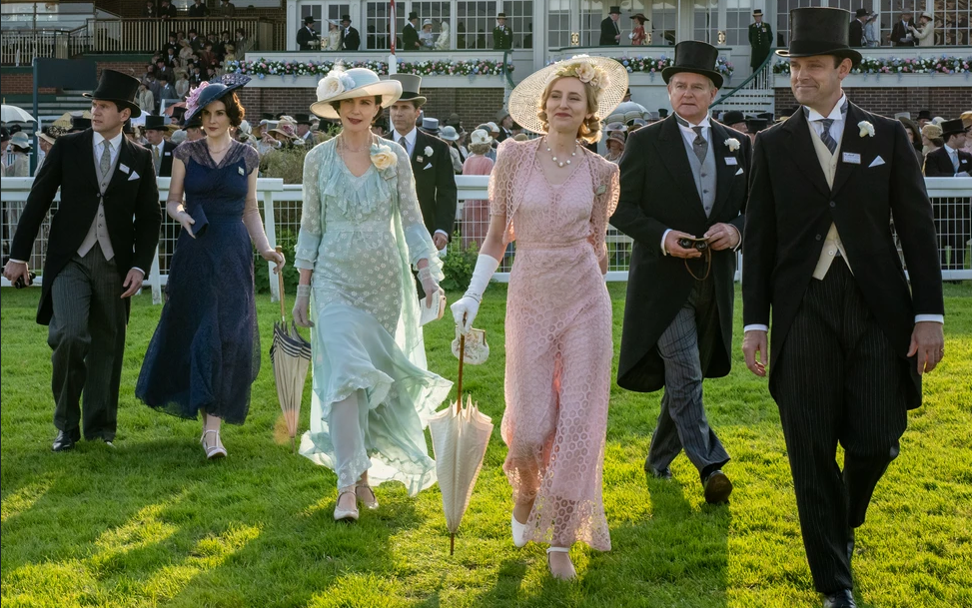
Central cast members of the period drama film Downton Abbey: The Grand Finale dressed in formal 1930s high-society attire during a prominent horse racing scene
Absolutely Ascot: A new kind of status symbolReality series Absolutely Ascot turns tradition on its head.Gone is the image of old-world aristocracy. In its place comes a younger, flashier generation eager to display a different version of wealth and status.The show demonstrates that while the faces may change, Ascot continues to reflect society’s evolving relationship with class, aspiration and visibility.
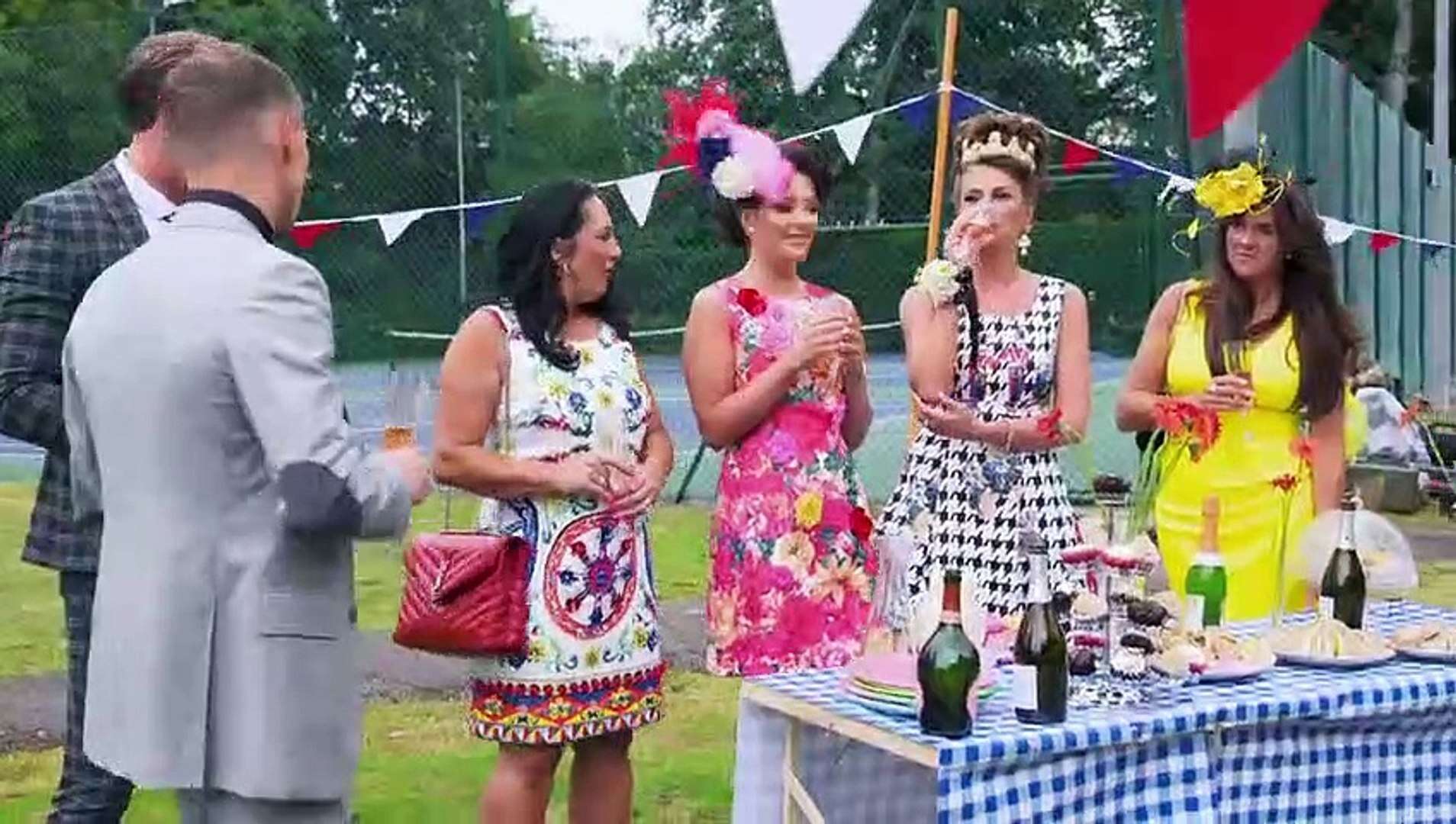
The cast members of Absolutely Ascot dressed in vibrant formal attire complete with traditional race-day headwear and fascinators
Why the Ascot look never goes out of styleVery few events in the modern world still demand such rigorous dress codes: Morning dress. Statement hats. Formal etiquette.The result is something unique: an event that naturally resembles a period drama, even in the present day.For filmmakers, it’s visual gold. No production design required. The spectacle already exists.
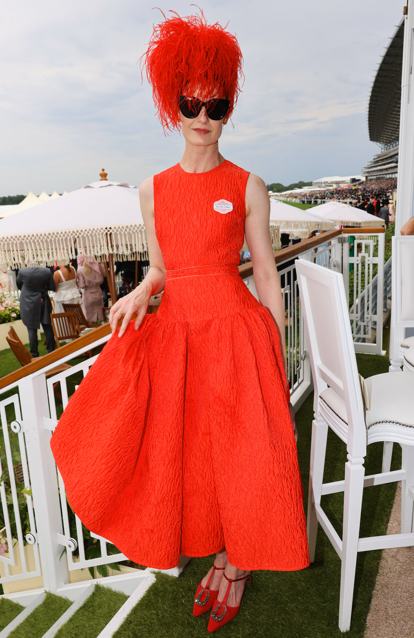
British fashion model Erin O’Connor attending the Royal Ascot 2026 horse racing event
The greatest race of allRoyal Ascot has always been about more than horses. It’s a place where identity is performed, status is displayed and belonging is negotiated. Which is why, in film after film, the most memorable performance isn’t delivered on the track. It’s delivered in the grandstands. The horses may be running for victory. But everyone else is racing for acceptance.
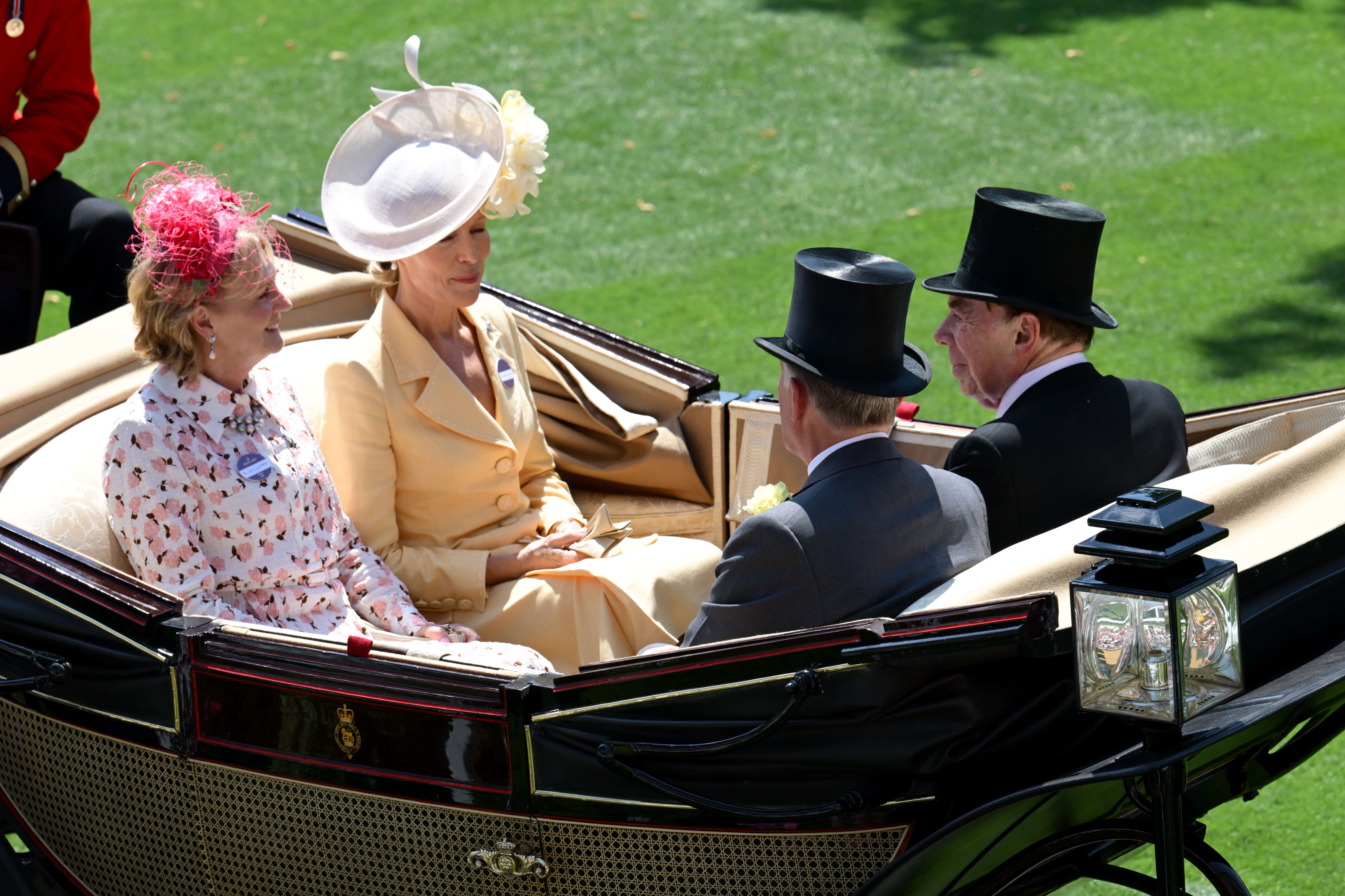
Lady Madeleine Lloyd Webber, Amanda Caledon, Countess of Caledon and Lord Andrew Lloyd Webber attends Day 4 of Royal Ascot at Ascot, Royal Borough of Windsor and Maidenhead on June 19, 2026 in Ascot
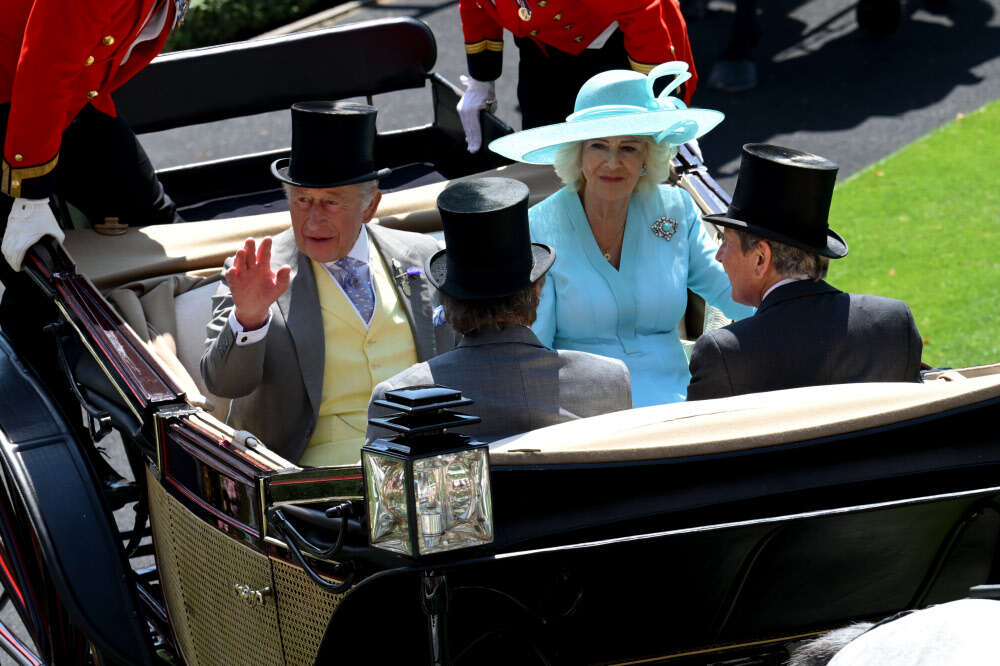
King Charles III and Queen Camilla attend Day 4 of Royal Ascot at Ascot, Royal Borough of Windsor and Maidenhead