








There’s a particular kind of kitchen dilemma that comes with cracking open a coconut for a recipe that only needs half of it, what do you actually do with the other half before it dries out, hardens, or starts smelling faintly off by the next morning? Fresh coconut is nearly 94 percent water, and once that protective outer shell is cracked open, the exposed white flesh has almost nothing standing between it and the air, which means spoilage sets in far faster than most people expect. The good news is a roll of ordinary kitchen foil, something already sitting in most homes, does a genuinely effective job of buying that leftover half several extra days of freshness. Here’s exactly why it works, and how to use it properly.
Why cut coconut spoils so quickly in the first place
Once a coconut is opened, its high water content becomes a liability rather than an asset. The moisture-rich flesh is genuinely vulnerable to air exposure and bacterial contamination almost immediately, and minimising contact with oxygen becomes the single biggest factor in how long it actually stays usable. Left uncovered on a counter, even for a couple of hours, a cut coconut half will start drying out at the edges, losing both texture and flavour well before it shows any obvious visible spoilage.
How to actually wrap it in foil
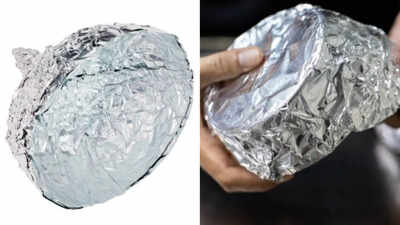
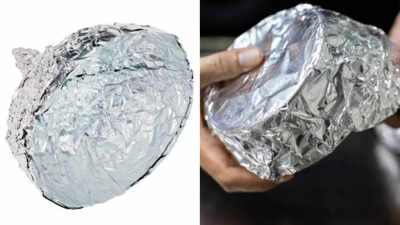
The method itself is straightforward but worth doing properly. Press a sheet of aluminium foil directly onto the exposed, cut surface of the coconut flesh, moulding it as closely as possible to eliminate any trapped air pockets, then wrap the rest of the half securely, covering every exposed edge. For extra protection, place the foil-wrapped coconut into a resealable bag or an airtight container before refrigerating, giving it two full layers of defence against both air and moisture loss.
Why foil specifically works so well for this
Cling film gets recommended for this too, but foil has a genuine edge for oddly shaped, curved surfaces like a coconut half, since it moulds and holds its shape far more precisely once pressed on, rather than springing back or leaving small gaps the way plastic wrap sometimes does. It also blocks light exposure entirely, which plain plastic doesn’t always do, and creates a tighter barrier against your fridge’s other food odours seeping in, something coconut flesh is genuinely prone to absorbing given how porous and moisture-rich it is.
The water-submersion alternative, if you’d rather skip foil
If you don’t have foil on hand, storing cut coconut pieces submerged in a container of water is a well-established alternative worth knowing, with guidance from food safety experts specifically recommending changing that water daily and using the coconut within several days. Some people use the coconut’s own reserved water instead of plain water, or a mild salt-water solution, both are considered effective ways of keeping the flesh from drying out while it sits in the fridge, achieving a similar protective effect to foil through a different mechanism entirely.
How long it’ll actually stay fresh, and what to watch for
Properly wrapped and refrigerated, chunks of cut coconut typically hold up well for around five to seven days, though shredded or grated coconut spoils considerably faster, often within just one to three days, so it’s best to grate only what you need right before cooking. Before using stored coconut, give it a quick check for any mould, an off or sour smell, or noticeable discolouration, any of these signs mean it’s time to discard it rather than risk using it.
One thing to avoid entirely
While refrigeration is exactly right for a coconut that’s already been cut open, the same isn’t true for a whole, unopened one. Refrigerating a whole coconut can actually cause the flesh inside to dry out prematurely, so whole coconuts are better kept at room temperature in a cool, dry, well-ventilated spot until you’re ready to crack them open, only moving to the fridge once that shell has actually been broken.
Disclaimer:
This article is intended for general informational purposes only and is not a substitute for professional food safety advice. Always check stored coconut for signs of spoilage, such as mould, discolouration, or an off smell, before consuming it, and discard it if in doubt. Storage times can vary depending on the coconut’s freshness at the time of opening and your specific refrigeration conditions.