








Imagine you are walking across a quiet highland in Laos (officially known as the Lao People’s Democratic Republic) and bumping into a stone vessel taller than a human being! Now imagine learning that this ancient container once held the remains of at least 37 people (between toddler and adult stages). It’s a mystery of Laos’ ancient Plain of Jars which has now taken a fascinating turn.The recent discovery of 37 peopleIn a recent research published in Antiquity and findings reported by James Cook University, along with the Lao Department of Heritage, archaeologists have found the remains of at least 37 people inside a massive stone jar at the Xieng Khouang Plateau. The discovery, dated to the 9th–12th centuries AD, is new evidence to a centuries-old puzzle surrounding the purpose of these giant stone vessels in Laos.A UNESCO World Heritage site
Archaeologists discover remains of 37 people (Canva)
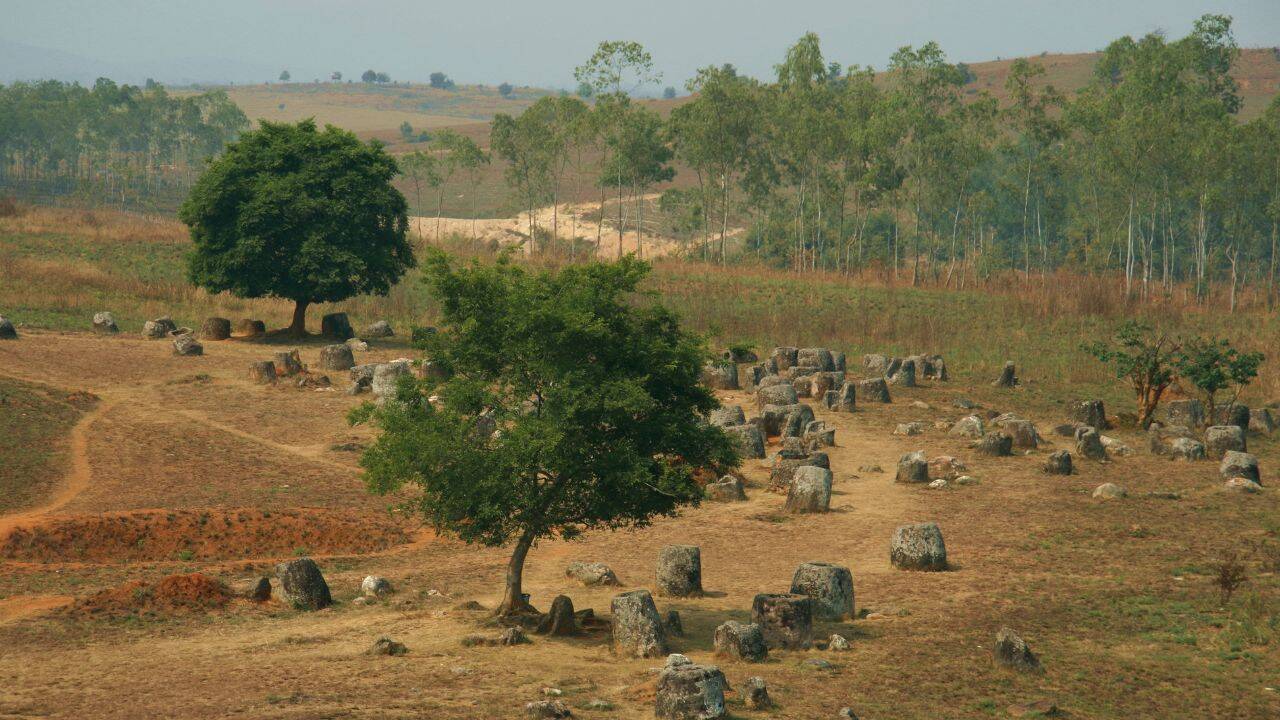
UNESCO’s World Heritage Centre recognises the Megalithic Jar Sites in Xiengkhuang – Plain of Jars as a World Heritage property. It identifies over 2,100 such jars spread across the wider landscape and links them to ancient funerary practices. You’ll be shocked to see that some of the jars measure over a metre tall and weigh several tonnes. There are no grand temples around them, no elaborate inscriptions explaining their purpose or no ancient civilisation. In short, no explanation.Instead, there are thousands of mysterious jars. And now archaeologists have found evidence of a community’s treatment of the dead which has deepened the mystery .A landscape of thousands of stone jars
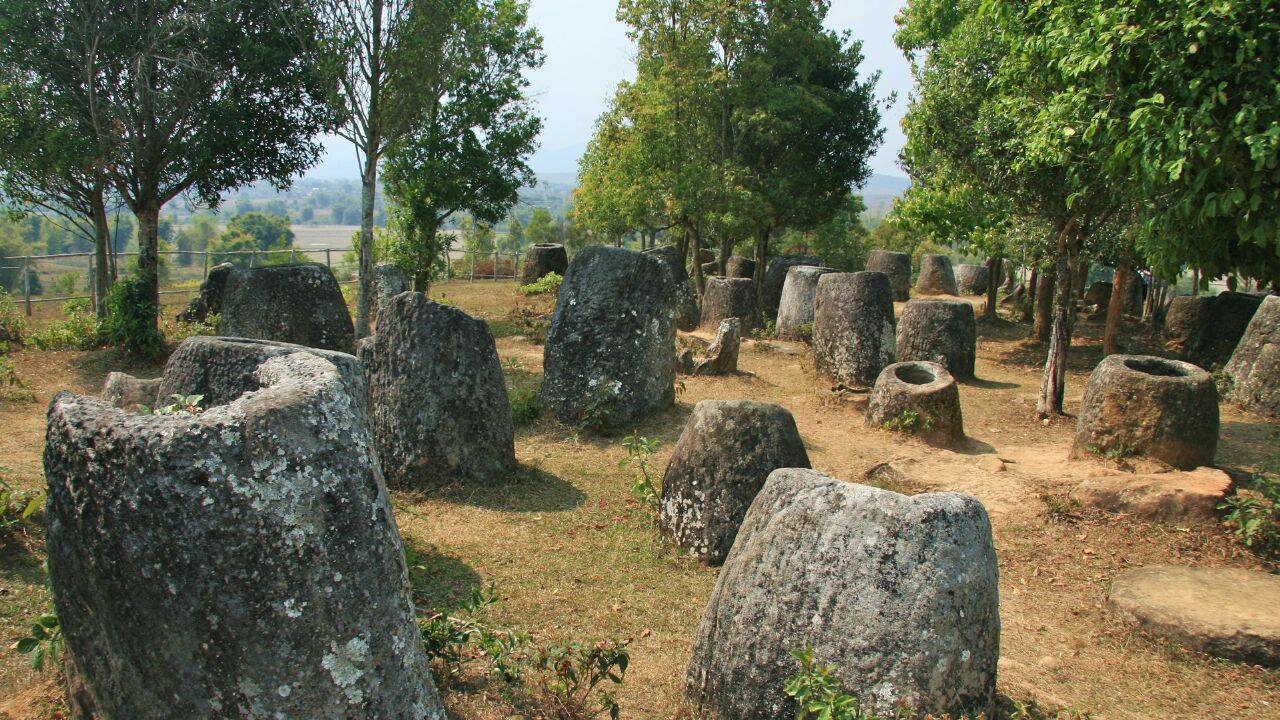
37 people found in one of the jars (Canva)
The Plain of Jars is more than an unusual archaeological attraction. It offers people a glimpse into a little-known ancient culture, history and rural life.For those who don’t know, the Plain of Jars lies in Xieng Khouang Province in central-eastern Laos. It is set on a plateau 1,000 metres above. As per UNESCO, over 2,100 megalithic stone jars have been documented across the wider landscape. The World Heritage property covers 15 components containing 1,325 jars.The jars vary in size and shape and most are made from stone. These are made of sandstone, and some required the extraction and movement of enormous blocks from quarry areas to their eventual locations.Ancient burial system?
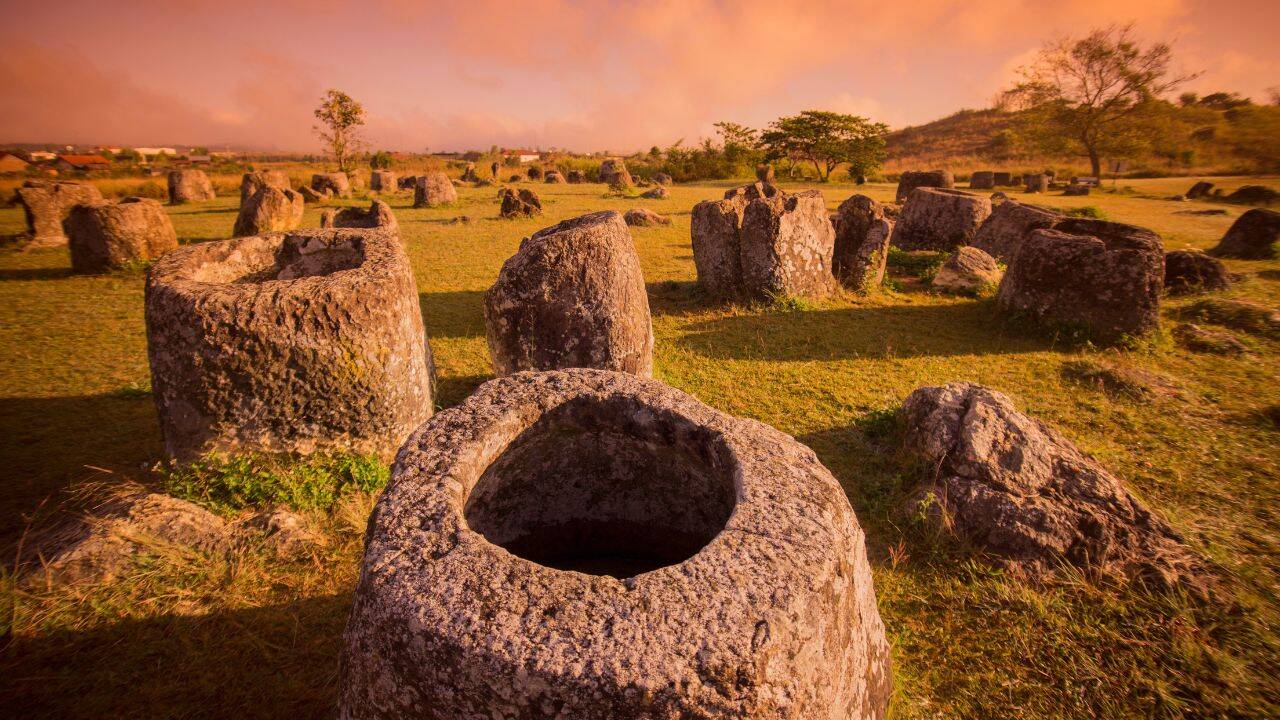
Phonsavan Plain site Laos (Canva)
Now the question is, why would ancient communities invest so much effort in making and transporting these massive vessels? The strongest archaeological evidence points towards the ancient burial system.UNESCO describes the jars as being associated with funerary practices and notes the presence of secondary burials, grave markers, quarries and funerary objects across the sites. The exact beliefs and rituals of the people who created them, however, remain poorly understood.The latest discoveryThe latest discovery comes from Site 75, northeast of Phonsavan. Over three years of excavation, researchers examined a particularly large stone vessel measuring about 1.3 metres high and more than two metres wide. Inside, they found human remains belonging to at least 37 individuals.The remains included people of different ages, including a toddler and adults.Researchers from James Cook University and the Lao Department of Heritage say the evidence indicates that the jar was used for secondary internment—a burial practice in which human remains are placed in a new location after an earlier stage of decomposition elsewhere. The activity dates to between the 9th and 12th centuries AD.A complicated discovery
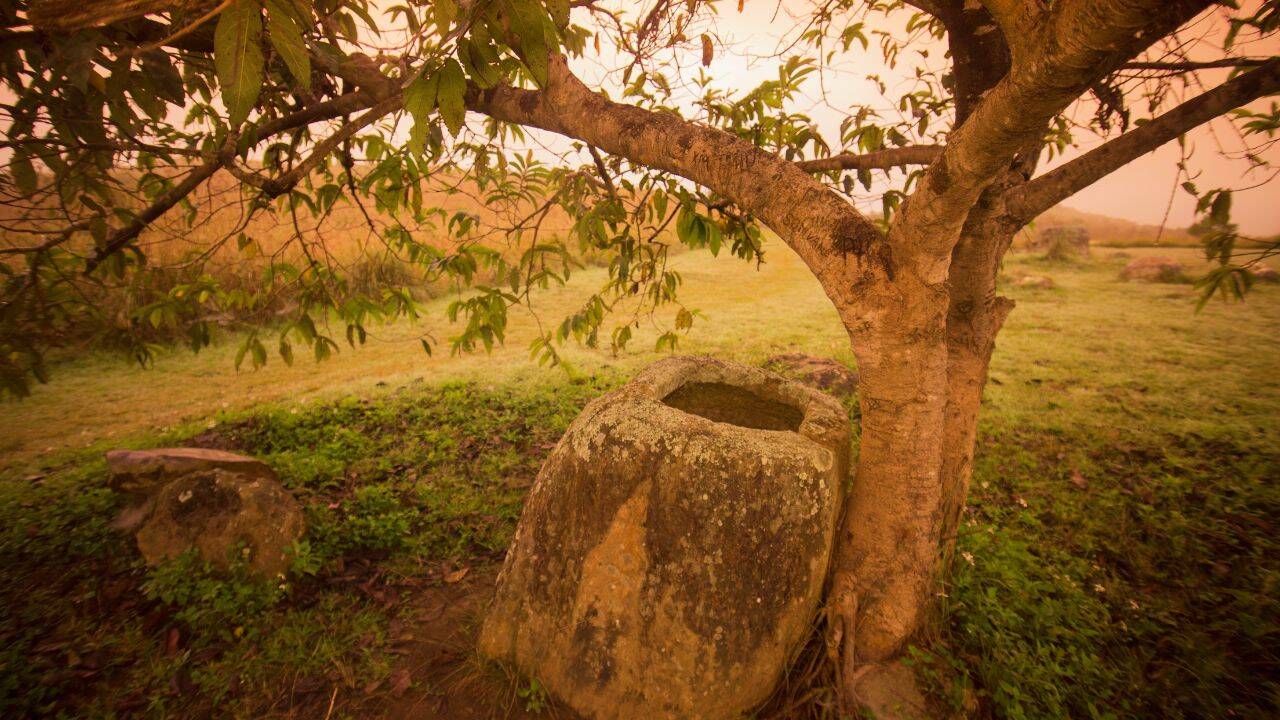
Laos Phonsavan Plain site (Canva)
It is a major discovery that has complicated the traditional picture of the Plain of Jars.The jars are generally associated with the Iron Age, with UNESCO dating the main archaeological evidence to approximately 500 BCE to 500 CE. but the latest identified mortuary activity at Site 75 is considerably later.It is the most fascinating side of the discovery. Researchers do not believe the jar necessarily functioned as a person’s final resting place but it may have been one stage in a multi-step funerary ritual.That possibility changes how archaeologists understand the landscape. The enormous stone vessels may have been places where human remains were deposited after an earlier stage of treatment, rather than simply ancient coffins.The fact that at least 37 individuals were found inside a single jar also raises questions about social organisation and ancestry. Scientists are continuing to study the skeletal remains, which could eventually reveal more about the people’s age, health, origins and way of life.What’s in for travellersThe UNESCO-listed property consists of 15 separate components, spread across the Xieng Khouang region. Among the best-known areas are Sites 1, 2 and 3, where visitors can see groups of enormous jars sitting among hills and open countryside.
- Site 1 is quite famous for its concentration of jars and is the most accessible.
- Site 2 and Site 3 offer a different experience, with jars distributed across elevated terrain
- Site 21 is associated with quarrying activity
How Indian travellers can reach the Plain of Jars

How Indians can reach (Canva)
By air: Indian travellers can fly to Vientiane, usually via a Southeast Asian hub such as Bangkok. From Vientiane, Phonsavan, the main base for exploring Xieng Khouang’s jar sites, can be reached by domestic flight or a road trip.By road: Travellers can also approach the region from Luang Prabang by road. From Phonsavan, Sites 1, 2 and 3 are accessible by local taxi, hired vehicle or guided tours.Indian passport holders should check Laos’ current eVisa and entry requirements before travelling and use the official Lao eVisa portal for applications.Now, as archaeologists slowly uncover the human stories hidden within them, the Plain of Jars is beginning to reveal that these mysterious stones were not merely monuments.