








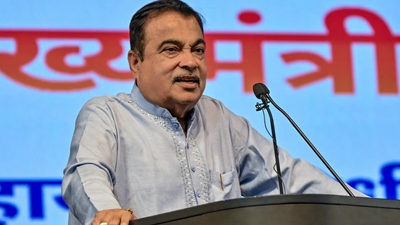
NEW DELHI: Petroleum ministry has introduced the Ethanol Blended Petrol (EBP) Programme through a “phased, scientifically validated and consultative process”, road transport minister Nitin Gadkari informed Lok Sabha on Thursday. He added that the ethanol blending has been increased progressively in a calibrated manner after creating the necessary production capacity, infrastructure and regulatory framework.In response to a question, the minister said, “The transition to E20 was undertaken only after successful validation of fuel systems, engine durability, drivability, material compatibility, emissions performance and consumer acceptance.” He added that the E20 programme has been developed through an extensive consultative and phased implementation process. Automobile manufacturers, component manufacturers, SIAM, ARAI, vehicle testing agencies, Oil Marketing Companies, ethanol producers, sugar and grain industries and other stakeholders were associated at every stage of policy formulation and implementation.He said laboratory studies, field validation and real-world operating experience have not established adverse impact on vehicle performance due to E20 fuel. “This is evident from the fact that E15+ blended petrol has been in widespread use for over three-and-a-half years and E19-E20 fuel for over two-and-a-half years. More than 20 crore two-wheelers and over 3 crore petrol cars have been operating on these blends without any verified evidence of widespread engine failure or vehicle breakdown attributable to ethanol blending,” Gadkari said.As per the reply, manufacturer service data have also confirmed that there is no abnormal corrosion, wear or reduction in vehicle life due to E20 fuel, and automobile manufacturers continue to honour warranty obligations for vehicles using specification-compliant E20 fuel. Recently, a major vehicle manufacturer had reported servicing 2.84 crore vehicles during FY 2025–26, including about 1.5 crore legacy vehicles, without finding any E20-linked engine damage, abnormal corrosion or reduction in component life. A leading two-wheeler manufacturer has similarly reported no higher incidence of damage in E20-operated vehicles.On the issue mileage loss, the reply said studies by govt agencies and automobile manufacturers indicate that reduction in fuel efficiency in certain E10-designed vehicles is limited to about 2-6%. However, this is influenced by several factors, including driving conditions, driving habits and vehicle maintenance.The minister also said that public sector OMCs have informed that currently normal petrol sold at their retail outlets across the country is E20. “Since E0 or E10 petrol is not marketed at retail outlets, separate display of lower ethanol blends or printing of ethanol percentage on customer receipts has not been considered necessary,” he added.
Share your thoughts in the comments
Be respectful · TOI community guidelines
On Wednesday, in a written reply to another question in Rajya Sabha, Gadkari had informed that BS-III vehicles, manufactured between 2005 and 2016, may require replacement of some rubber parts and gaskets when operated on E20 petrol, while adding studies have found no major impact of the blended fuel on overall vehicle performance.The transition to E20 was undertaken only after successful validation of fuel systems, engine durability, drivability, material compatibility, emissions performance and consumer acceptance. “These studies confirmed that even legacy vehicles did not exhibit any significant variations in performance, nor do they show abnormal wear-and-tear when operated with E20 fuel. No issues were reported in parameters such as drivability, startability, metal compatibility, and plastic compatibility,” he had said.