








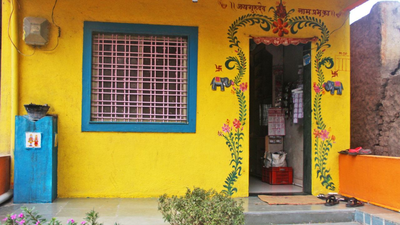
Imagine leaving your house unlocked when you go to work. Now imagine leaving it that way when you travel for days. In most parts of India, that would be unthinkable. In Shani Shingnapur, a village in Maharashtra’s Ahilyanagar district, it has been a longstanding tradition.The village is known for homes built without conventional doors and locks. The same belief has historically extended to shops and other establishments. Residents say they do not need them because Lord Shani, the Hindu deity associated with Saturn, watches over the village. The tradition is so closely linked to the identity of Shani Shingnapur that the Ahilyanagar district administration itself describes the village as having no doors, while noting the local belief that Lord Shani protects it from theft.But there is an important qualification to the famous story. Shani Shingnapur is popularly described as a crime-free village, yet thefts have been reported over the years. The belief remains strong, but the claim that no crime has ever occurred should not be treated as established fact.
It began with a mysterious black stone
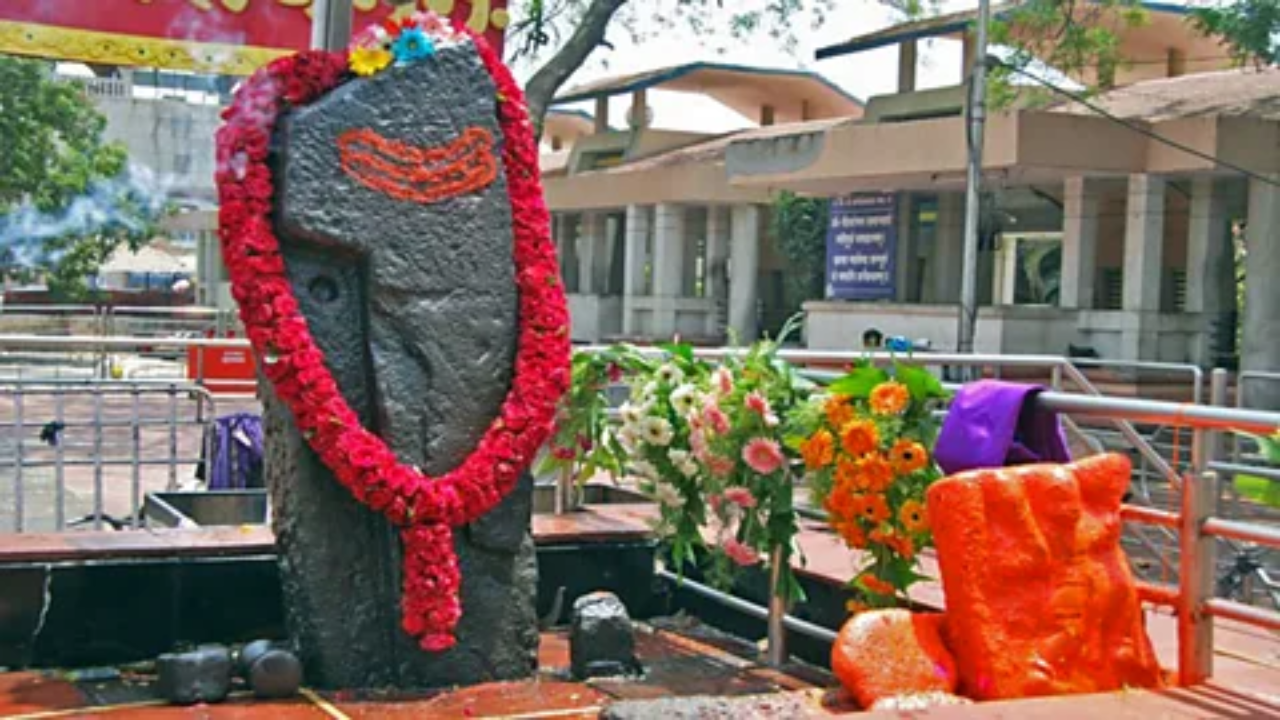
The villagers believe they are being watched over by Lord Shani.
The story of the village’s unusual tradition is rooted in local legend. According to Maharashtra Tourism and various media, after a period of heavy rain, villagers discovered a large black stone in the Panasnala River. When a shepherd reportedly prodded the stone with a stick, it began to bleed.That night, Lord Shani is said to have appeared in a villager’s dream and revealed that the stone was his manifestation. He instructed the villagers to install it in the village. There was one condition that the idol was to remain under the open sky. The legend says Lord Shani wanted to be able to watch over the settlement without obstruction. He also promised to protect the villagers.The stone was subsequently placed on an open platform and became the centre of the village’s religious life.
Why do houses have no doors?
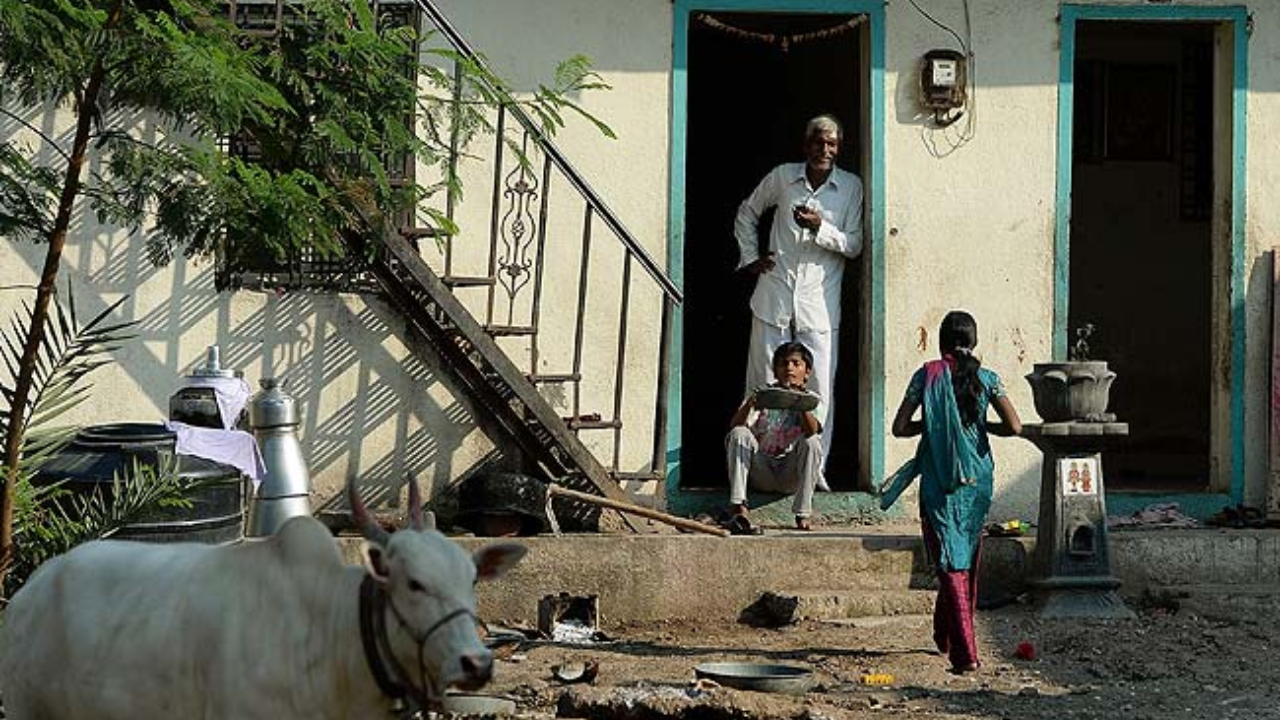
According to local belief, anyone who steals or behaves dishonestly in the village will eventually face divine punishment.
The villagers believe they are being watched over by Lord Shani. According to local belief, anyone who steals or behaves dishonestly in the village will eventually face divine punishment. Stories associated with the village say that a thief could lose his eyesight or suffer ‘sade-sati’, traditionally understood as a prolonged period of hardship or bad luck. Some residents have traditionally placed loose wooden panels against door frames, particularly at night, but these are meant more to keep out stray animals than to secure valuables. Older accounts have also described villagers leaving their homes for extended periods without asking neighbours to keep watch.As per a BBC report, there is also a popular local story about a villager who once installed a wooden door and met with a car accident the following day. Again, this is folklore, not evidence that doors invite punishment. But such stories help explain how the tradition has survived.
Even the bank followed the village’s unusual rule
Perhaps the strangest example came when a bank opened here. According to NDTV and various media, in January 2011, UCO Bank opened what was widely reported as India’s first “lockless” bank branch in Shani Shingnapur. The bank decided not to put a conventional lock on its front entrance in deference to the religious beliefs of the village.But calling it completely unsecured would be misleading. The bank had security arrangements for its cash and valuables. Contemporary reports said the branch had a glass entrance without a conventional lock, while money was protected through other measures. Another report described the entrance as using a remote-controlled electromagnetic locking system.So the famous “lockless bank” was more complicated than the headline suggested. It was a modern security system adapted to an old religious custom.
The “crime-free village” claim has a catch
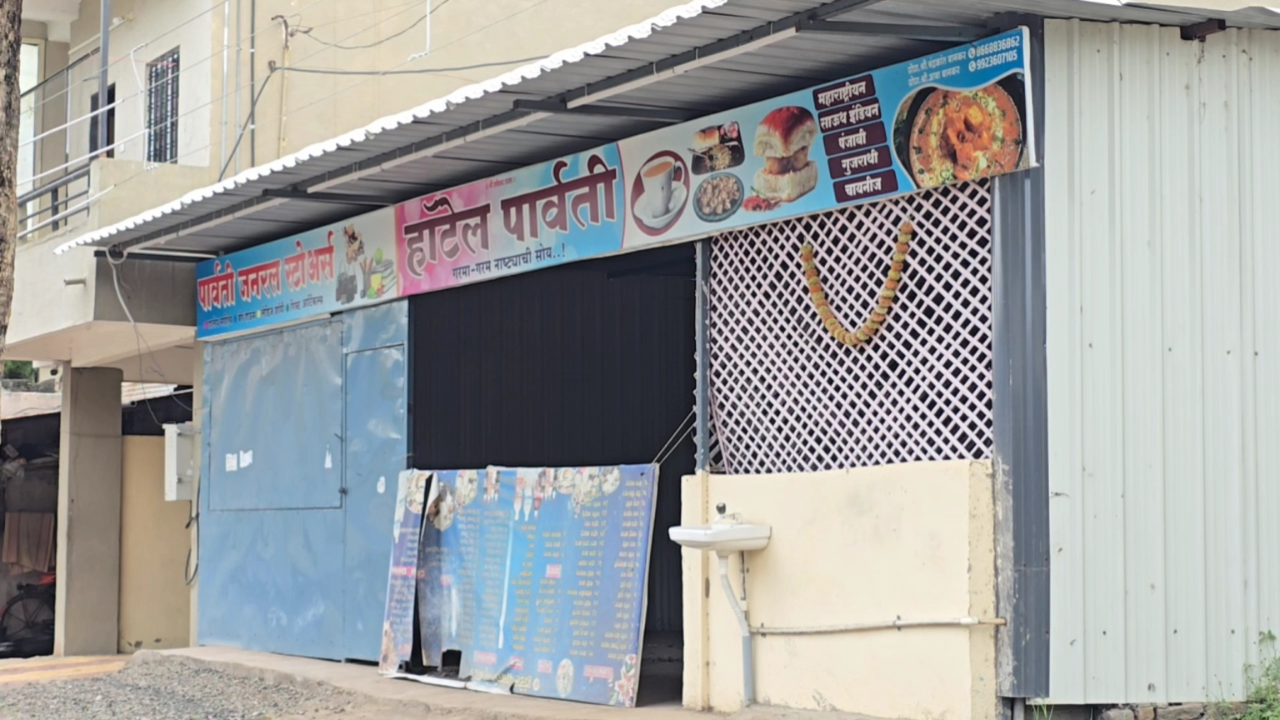
Image Courtesy: ETV Bharat
For decades, Shani Shingnapur earned a reputation as a place where theft simply did not happen. But that reputation has never been entirely free from contradiction. As per a BBC report, in 2010, a visitor complained that cash and valuables worth around Rs 35,000 had been stolen from his vehicle, according to contemporary reports.There were further reports of theft in the following years, including a case involving gold ornaments. A 2011 report also described a theft from a house in the village. That does not erase the village’s unusual tradition. It simply means the popular phrase “no theft ever” needs to be treated as a local claim and part of the village’s folklore, rather than a verified historical fact.Interestingly, the official Ahilyanagar district website still presents the no-theft claim in the context of what local residents say about their village.
The village has changed, the belief hasn’t disappeared
Shani Shingnapur is no longer the isolated settlement that it may once have been. It is now a major pilgrimage destination, and thousands of devotees visit the shrine. As per various media, around 10000 to 20000 visitors are normal per day. And a much larger crowds on weekends,sometimes touching a lakh.
Rationalists think otherwise
However, now activists and rationalists say otherwise about the matter. Even corruption scandals have allegedly been levelled against the temple trust. In July 2025, Chief Minister Devendra Fadnavis at the monsoon session of the Maharashtra Legislative Assembly had stated that a criminal case will be registered against trustees of the Shani Shingnapur temple trust involving a massive scam on fake employees and donation fraud.The matter came to light after a report highlighted financial irregularities at the temple alleging listing of 2,447 ghost employees and diversion of crores through inflated payrolls and fake donation apps.The village has shops, banks, police infrastructure and other modern facilities. People have added sliding panels or curtains to protect their homes from animal intrusion and outsiders. But locks remain absent. This is one of the first things visitors notice. That contrast is what makes the place so fascinating.