









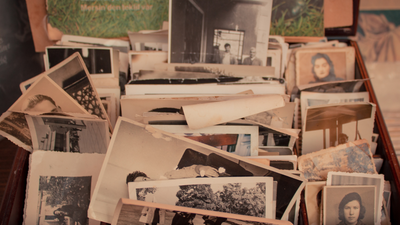
One day, the tiny socks no longer fit. The bedtime stories stop being requested. The hand that once reached instinctively for yours begins to pull away with quiet confidence. Childhood has always been fleeting, but today’s parents seem more aware than ever of just how quickly it disappears. In an age where thousands of photos can live on a phone yet still feel strangely forgettable, many families are moving beyond simply documenting milestones. Instead, they are preserving emotions, voices, traditions and everyday moments that might otherwise fade with time. The goal is no longer to collect memories, it is to create keepsakes that children can return to years later and instantly remember not just what happened, but how it felt.
Recording everyday conversations instead of perfect moments
15 Jun 2026 | 12:57
Is spending lakhs on a child’s birthday party reasonable or insane?
Parents have never taken more photographs than they do today. Yet many are discovering that the most treasured memories are not always captured in carefully posed portraits.Instead, they are recording ordinary conversations, the way a toddler mispronounces a word, a child’s endless questions during a car ride or an unexpected declaration of love before bedtime. These small audio and video clips often become far more meaningful than polished family photographs because they preserve personality rather than appearance. Years later, hearing a child’s tiny voice or infectious laugh can transport parents back to a moment that would otherwise have been impossible to recreate.
Writing letters for milestones they haven’t reached yet
Some parents have adopted a tradition that feels almost timeless: writing letters to their children long before they are old enough to understand them.
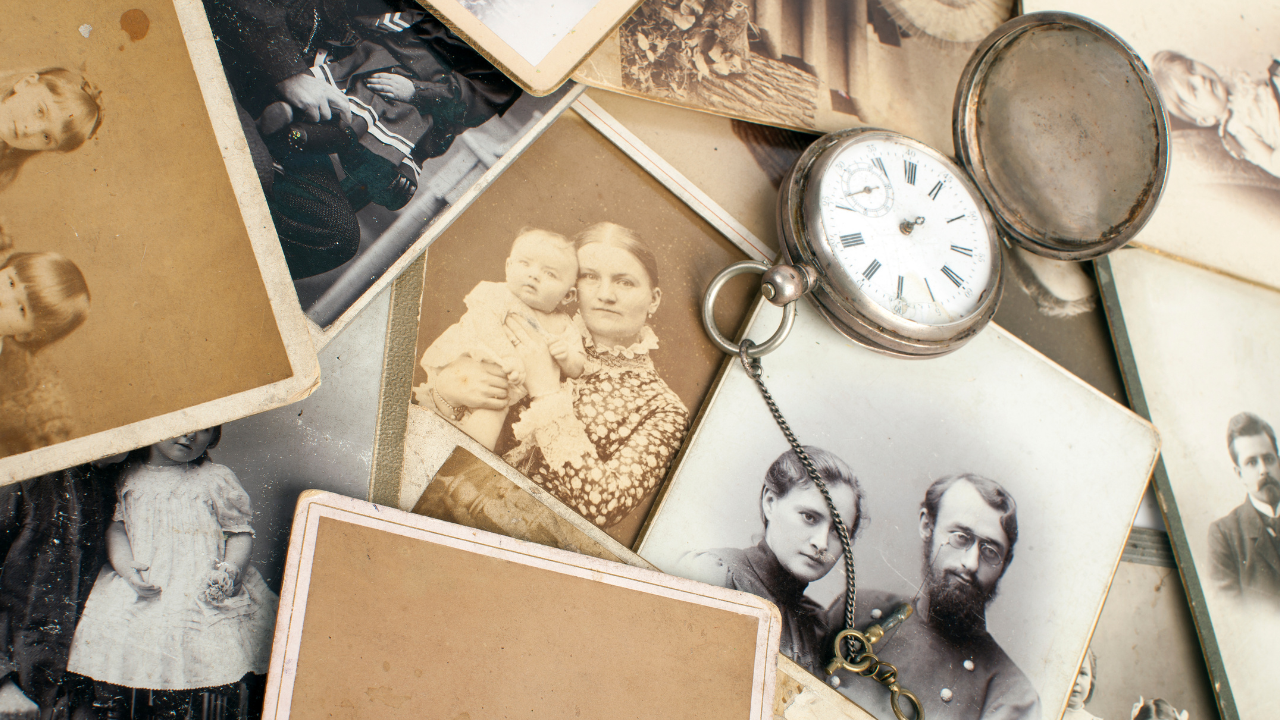
These letters are tucked away for future birthdays, graduations, weddings or difficult moments in adulthood. Rather than offering advice alone, they capture what life looked like when the child was growing up, the favourite bedtime story, the family traditions, the hopes parents quietly carried and the small details that memory rarely preserves on its own. For many children, these letters eventually become a window into a childhood they can no longer remember themselves.
Creating memory boxes that tell a story
Not everything meaningful belongs in the digital world.Across many households, memory boxes have quietly become family treasures. Inside them are first hospital wristbands, tiny shoes, favourite storybooks, birthday cards, artwork, school certificates and handwritten notes that would otherwise have been thrown away during routine decluttering. Unlike photo albums, these collections invite children to physically reconnect with different stages of their lives. Holding a tiny sweater or opening an old birthday card often evokes emotions that photographs alone cannot. The value lies not in the objects themselves, but in the stories attached to them.
Printing photographs instead of leaving them on a phone
Ironically, the age of unlimited digital storage has made many memories easier to lose.
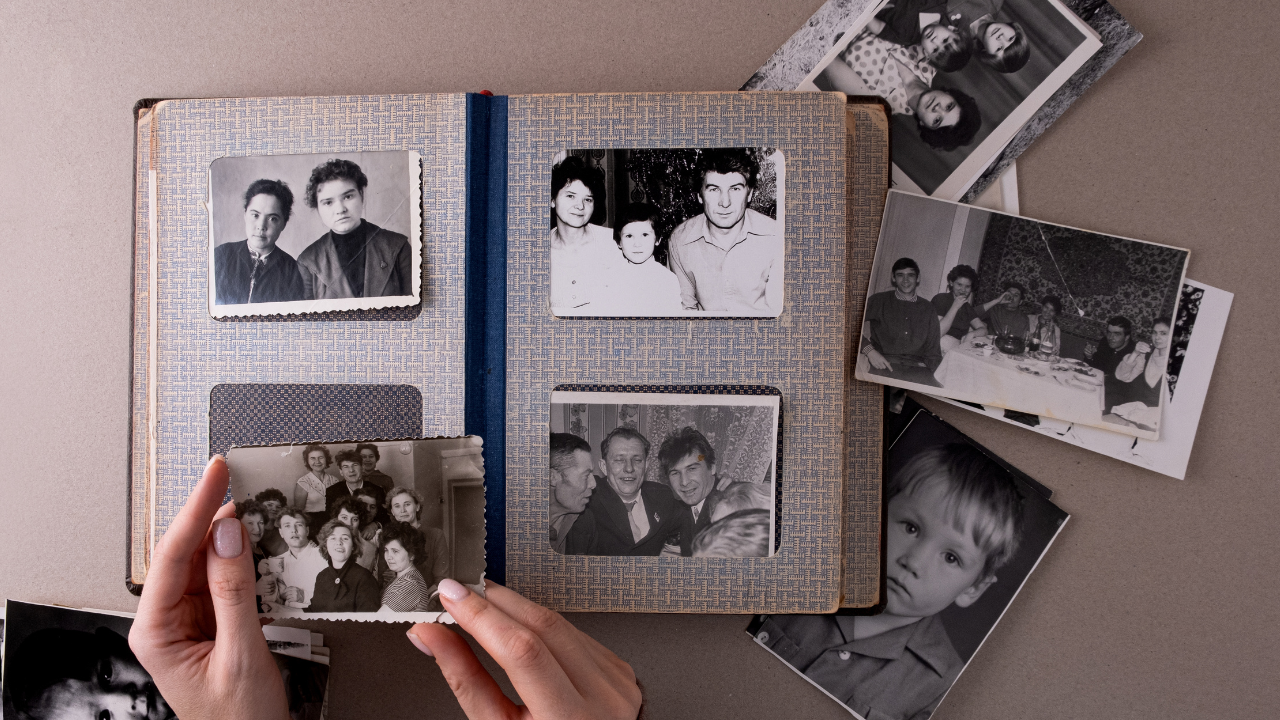
Thousands of photographs sit buried inside smartphones and cloud folders, rarely revisited after they are taken. Recognising this, many parents are returning to printed photo books and family albums. Instead of creating endless galleries, they curate smaller collections that highlight ordinary family life, Sunday breakfasts, rainy afternoons, vacations, messy baking sessions and spontaneous hugs. These albums often become family rituals, opened together during holidays or quiet evenings, allowing children to revisit memories that might otherwise remain forgotten inside a digital archive.
Preserving traditions that children will one day pass on
Sometimes the most meaningful memories are not objects at all but traditions repeated year after year. It could be making the same festive dessert every Diwali, reading one particular bedtime story every Sunday, planting a tree on each birthday or taking an annual family photograph in the same place.Children may not fully appreciate these rituals while growing up, but they often become the memories that define home. As adults, many find themselves recreating those same traditions with their own families, passing emotional inheritance from one generation to the next. In that way, memories become living traditions rather than simply nostalgic reminders.
Keeping a journal of ordinary days
Major milestones naturally find their place in family albums. It is the ordinary days that are most easily forgotten.

Some parents now keep simple journals where they record funny conversations, favourite foods, new hobbies, childhood fears or unexpected achievements. The entries are often brief, sometimes no more than a paragraph. Years later, these journals become remarkably powerful because they capture the version of a child that existed between birthdays and school graduations, the curious questions, changing personalities and everyday joys that quietly shaped who they became. They tell the story of growing up far better than a list of milestones ever could.
Focusing on presence instead of perfect documentation
Perhaps the biggest shift among modern parents is not what they preserve but how they choose to experience childhood in the first place.

Many are becoming more intentional about putting their phones away during family dinners, bedtime routines and weekend outings. They still take photographs, but they are no longer trying to document every second.There is a growing recognition that children remember attention more than albums. They may not recall every birthday decoration or every carefully planned outing, but they are far more likely to remember feeling listened to, comforted and celebrated.