





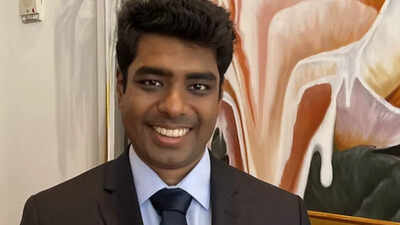
Mohamed Zeeshan, an Indian-origin man who moved to the United States after being attracted to its ‘values’ has now said he ‘wouldn’t do it today’ on an H-1B visa. The 32-year-old was born in Indonesia to Indian parents and moved back to India at the age of 7.“In Indonesia, everyone knew me as the Indian kid, and in India, everyone knew me as the kid from Indonesia,” he said to Business Insider. Spending much of his early life as a foreigner, he developed an interest in international affairs early on. Thus, he moved to the US in 2016 to pursue a master’s in the field at Columbia. “The US drew me because I was enamoured by Ivy League universities. I was also a huge fan of President Barack Obama, who I related to because he grew up in Indonesia and has spoken publicly about his identity across different cultures,” he said. Coming from a family of engineers, doctors, bankers and lawyers, Zeeshan’s family saw education in international affairs as foreign and unconventional. But they struck a bargain, he could do it if he secured some tuition assistance.
Move to US
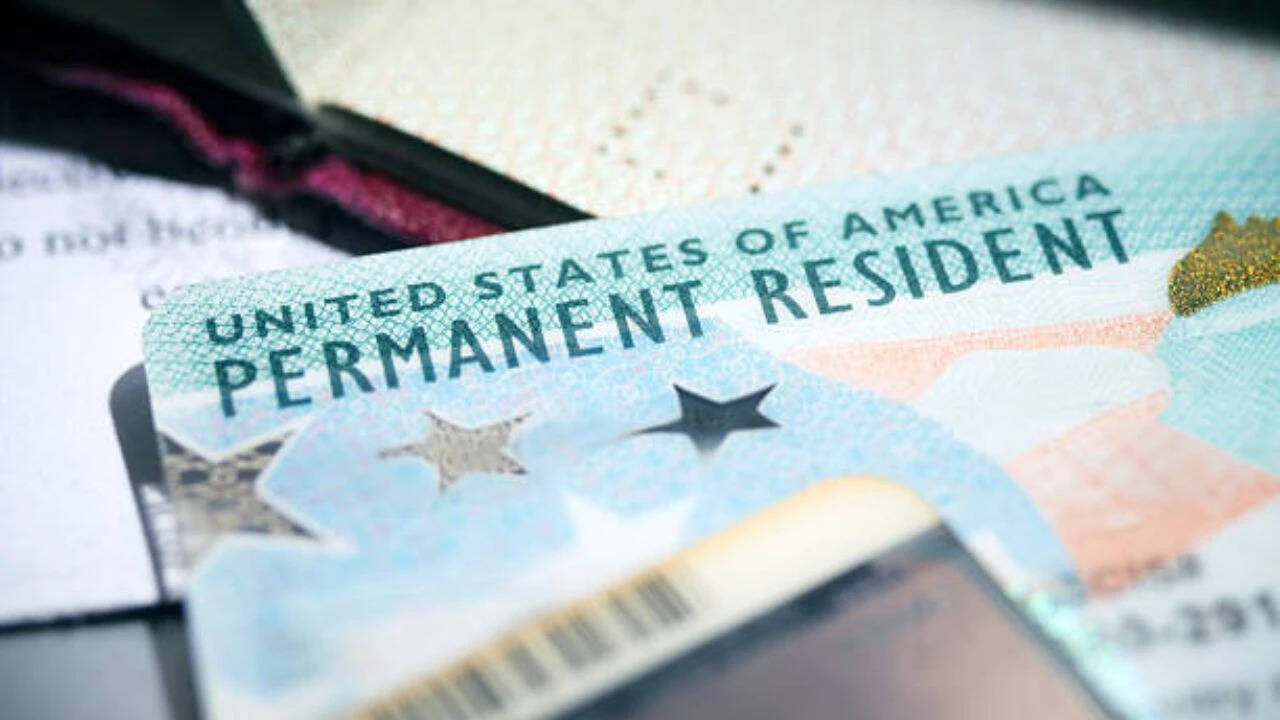
In 2021, he self-petitioned for a green card from abroad and received it in 2023
In 2018, he graduated from Columbia and secured a green card in 2023. Even then, the process wasn’t easy. He wanted to stay in US after graduating and find a job using Optional Practical Training (OPT), a work authorisation for international students. But after the 2016 election, changes in the rhetoric around immigration policies created uncertainty about employers willing to take risks on international students. Thus instead of relying on the OPT to H-1B pathway, as most students do, Zeeshan made the decision to leave US and go to the Middle East to work for a management consulting firm.In 2021, he self-petitioned for a green card from abroad. “I had to submit extensive evidence showing that my work was in the national interest. My background in research and my work in public-interest issues helped me build a strong portfolio,” he shared with the outlet. He received the green card in 2023 and no longer needed a visa or employer sponsorship to work in US.
Uncertainty ahead
What drew him to the country is what draws thousands like him every year: the ideals of free speech, the ability to write and speak freely about issues, even if they are controversial.
Currently, Zeeshan lives with his wife in Arlington, Virginia. According to him, the couple lives an “unconventional” family life since they haven’t had kids yet. “We’re holding off because my wife is still waiting for her green card, and we want to minimise uncertainty about her situation before having kids,” he said.Economic upliftment was not the reason he moved to the US. In Dubai he paid no income tax and earned more than he did after getting his first job in US. What drew him to the country is what draws thousands like him every year: the ideals of free speech, the ability to write and speak freely about issues, even if they are controversial. “I think social and cultural reasons are a big part of why people still want to move to the US. My female friends from India have told me the US offers more freedom to build the careers and lives they want,” he said.“I’m patriotic about American values and would like to become a US citizen,” he said. But recently, that hope has been dimmed with the uncertainty and unpredictability associated with immigrant life in America. Zeeshan, who now owns a consulting firm, said he is also seeing a rising trend of his relatives and friends looking at other options like Germany and Australia since it’s become difficult to land a job and visa in the US after graduating.The H-1B visa was the most reliable option earlier, after the onset of the second Trump term, the visa fee has been hiked to $100,000. While it was recently struck down by a federal judge, the decision still remains tied up in court, adding to the uncertainty. Added to this are new rules like social media vetting where applicants and their dependents are required to make their social media profiles public for background review, adding to interview delays and scheduling chaos.“I try to tell other people that they do have options outside of the H-1B pathway, like the EB-1A visa for “extraordinary” individuals. That said, even these petitions seem harder to get, with data showing that EB-1A denial rates are increasing,” he said.“I came to the US as a permanent resident, but if I had to rely on an H-1B visa to come here today, I don’t think I’d do it,” he added.