







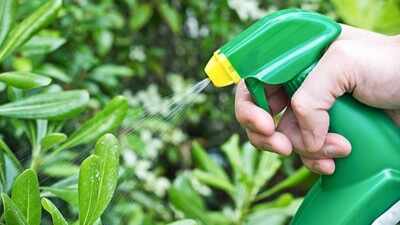
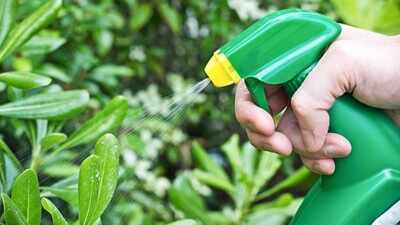
There’s an understandable appeal to reaching for something from the kitchen cabinet instead of a chemical pesticide when aphids show up on your roses or whiteflies start clustering under a tomato leaf. But “natural” and “harmless” aren’t quite the same thing, and this is exactly where a lot of well-meaning gardeners run into trouble. University extension research consistently flags an inconvenient truth: homemade sprays, even ones built entirely from food-safe ingredients, can genuinely injure or kill the very plants you’re trying to protect if applied to the wrong species, at the wrong concentration, or under the wrong conditions. Before trying any of these, the golden rule that shows up across nearly every credible source is the same, spray a small test patch first, wait a day or two, and only treat the whole plant once you know it tolerates the mixture. Here are five DIY recipes.
Insecticidal soap spray
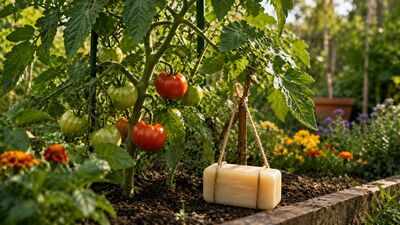
This is the most commonly recommended homemade option, made by diluting a true soap, not a detergent, in water at roughly 2½ to 5 tablespoons per gallon. It’s worth being precise about the soap you use here: ordinary dish soap is a synthetic detergent containing additives that can strip a leaf’s protective waxy cuticle and injure plant tissue, which is why extension researchers specifically recommend pure castile soap over dish soap for homemade batches. Even done correctly, certain plants are documented as reliably sensitive to soap sprays, including horse chestnut, mountain ash, Japanese maple, sweet gum, jade plant, lantana, gardenia, bleeding heart, sweet peas, crown-of-thorns, portulaca, delicate ferns like maidenhair fern, and some cultivars of azalea, begonia, fuchsia, and impatiens.
Neem oil spray
Neem oil, pressed from the seeds of the neem tree, works both as an insect deterrent and a mild fungicide, making it one of the more versatile options on this list. It’s generally considered safe on most vegetables, but extension sources caution that it’s more prone to causing leaf burn than insecticidal soap, particularly on plants that are already stressed, drought-affected, or recently transplanted, so it’s worth waiting until a new seedling has settled in before spraying it. One specific incompatibility is worth remembering: neem oil should never be applied alongside sulfur-containing products, since the combination can cause serious plant damage, and most guidance recommends waiting at least a month after a sulfur application before switching to neem.
Homemade horticultural oil spray
Made from four parts vegetable oil to one part liquid soap, diluted at around two teaspoons per litre of water, this homemade version of horticultural oil smothers soft-bodied pests like aphids, mites, and scale on contact. The sensitivity list here is unusually specific and well documented: multiple extension services flag Japanese, silver, and sugar maples, hickories, black walnut, and smoketree as genuinely oil-sensitive, while blue spruce and blue-rug junipers will visibly lose their blue colour, since the oil strips away the waxy bloom that creates it, though the damage is cosmetic rather than fatal. UConn’s extension guidance is also unambiguous on one point: don’t use horticultural oil on ferns at all, and avoid wax begonia and coleus, both prone to pitting and speckling from oil contact.
Garlic and hot pepper spray
This one works more as a deterrent than a true insecticide, it irritates and repels pests and browsing mammals like rabbits and deer rather than killing hard-bodied insects outright. A typical batch blends crushed garlic and hot chillies with water, left to steep overnight, then strained and mixed with a small amount of liquid soap to help it stick to leaves. It’s generally gentler on foliage than soap or oil sprays, but the concentrated capsaicin can still stress very young seedlings, so the same patch-test rule applies. Two practical safety notes matter more here than for most sprays: wear gloves when handling hot peppers, since capsaicin lingers on skin and irritates eyes, and avoid spraying open blooms, since the mixture is just as effective at deterring the pollinators you want as the pests you don’t.
Baking soda spray
Unlike the other four recipes, this one targets fungal problems like powdery mildew rather than insects, but it’s included in nearly every natural garden spray list for that reason. The standard mix is one tablespoon of baking soda with about a teaspoon of horticultural oil or liquid soap, dissolved in a gallon of water. It’s worth knowing that not every expert is convinced of its effectiveness, a Washington State University Extension horticulturist has publicly disputed how well baking soda actually controls mildew compared with alternatives like potassium bicarbonate or plain water sprays. More importantly, concentration matters enormously here: baking soda is a salt, and at higher doses, the same ingredient is used as an actual homemade weed killer that dehydrates plant tissue to kill it outright, which is exactly why exceeding the recommended dose on ordinary garden plants risks scorching the very leaves you’re trying to protect.
A few rules that apply to all five
A handful of precautions show up again and again across extension guidance, regardless of which spray you choose. Apply early in the morning or in the evening rather than midday, both to protect pollinators that are active during the day and to reduce the risk of leaf burn in direct sun. Avoid spraying anything on plants that are already wilting from heat or drought stress, since stressed foliage is far more likely to react badly. And treat every “sensitive plant” list as a starting point rather than the full picture, plant sensitivity varies by cultivar, season, and growing conditions, which is exactly why the small test patch matters more than any list ever could.
Disclaimer:
This article is intended for general informational purposes only. Always test any homemade spray on a small area of the plant first and wait 24 to 48 hours before full application. For persistent or severe pest and disease problems, consult a local nursery, extension office, or professional horticulturist.