








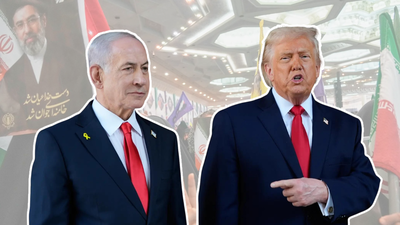
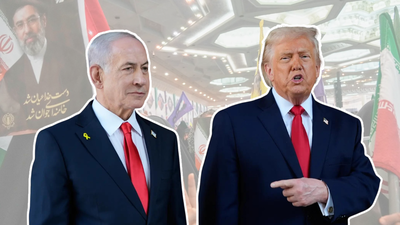
Israeli Prime Minister Benjamin Netanyahu has privately acknowledged that Israel currently has limited ability to shape US President Donald Trump’s decisions on Iran, according to a Reuters report that points to growing strains beneath one of the world’s closest strategic alliances.Reuters reported that Netanyahu told confidants in private conversations that Israel “has no manoeuvre to influence the president right now” as Washington negotiates a possible agreement with Tehran aimed at ending the nearly three-month-long conflict and reopening the Strait of Hormuz. The remarks, described to Reuters by two Israeli officials familiar with the conversations, come as Israel has largely been sidelined from the indirect US-Iran talks being mediated by Pakistan.
The emerging deal has exposed diverging priorities between Washington and Jerusalem. While Israel continues to insist that Iran’s nuclear infrastructure and highly enriched uranium stockpiles must be dismantled entirely, the Trump administration appears increasingly focused on stabilising Gulf shipping routes and preventing a broader economic shock triggered by disruptions in energy supplies.
Trump shifts focus from regime change to regional stability
At the start of the joint US-Israeli campaign against Iran in February, Netanyahu publicly framed the war in sweeping terms: weakening Iran’s clerical establishment, crippling its missile programme and ending Tehran’s regional influence. But the strategic objectives of Washington and Jerusalem now appear to be drifting apart.Trump has in recent days signalled that reopening the Strait of Hormuz has become the immediate American priority. The waterway carries nearly a fifth of global oil and liquefied natural gas shipments, and fears of prolonged disruption had sent energy prices soaring earlier in the conflict.Also read: Why US arms Israel like no other; the ultimate defence pact decodedSpeaking during a visit to New Delhi, US Secretary of State Marco Rubio said there was a “pretty solid thing on the table” regarding reopening the strait, though he cautioned that the talks were still incomplete. Trump himself later dialled down expectations after earlier suggesting a breakthrough could come within hours.“If I make a deal with Iran, it will be a good and proper one,” Trump wrote on Truth Social, while adding that negotiations were still ongoing. Iranian officials, meanwhile, insisted that no final agreement was imminent despite “progress” on several issues.According to Reuters, the proposed framework could involve Iran reopening maritime access through Hormuz in exchange for easing aspects of the US naval blockade, followed by further negotiations over Tehran’s nuclear programme. Iranian sources told Reuters that “feasible formulas” could eventually be found regarding Iran’s enriched uranium stockpile, potentially including dilution under UN supervision.
‘He’ll do whatever I want him to do’
The imbalance in influence was underscored by Trump’s own comments after one of three phone calls with Netanyahu last week. Asked by reporters what he told the Israeli premier, Trump replied: “He’s a very good man, he’ll do whatever I want him to do.”The remark drew attention in Israel, where officials have privately expressed concern that the current negotiations may not adequately address Israeli security demands. Reuters reported that Netanyahu is particularly worried about provisions linked to a memorandum of understanding currently under discussion between Washington and Tehran.Even as the two leaders remained in frequent contact, Israeli officials said the country had simultaneously prepared for the possibility of renewed joint strikes with the United States targeting Iranian energy infrastructure.Publicly, Netanyahu has attempted to project unity with Trump. Following their latest call, he said both leaders agreed that any final arrangement with Iran must eliminate the “nuclear threat entirely”. He also said Trump had reaffirmed Israel’s right to defend itself “on every front”, including Lebanon, where clashes with Hezbollah have continued despite a ceasefire reached in April.
Alliance under pressure despite decades of US backing
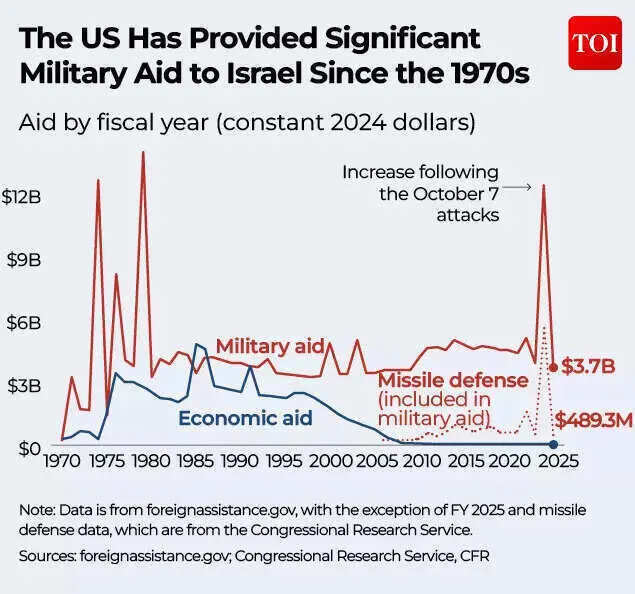
The tensions come despite the extraordinary depth of the US-Israel security relationship, which for decades has provided Israel with military aid, intelligence cooperation and diplomatic protection unmatched by almost any other American partner.The United States remains Israel’s largest military backer, with the current 10-year security framework guaranteeing $3.8 billion annually through 2028. Washington is also legally committed to preserving Israel’s “Qualitative Military Edge”, ensuring its military superiority over regional adversaries.
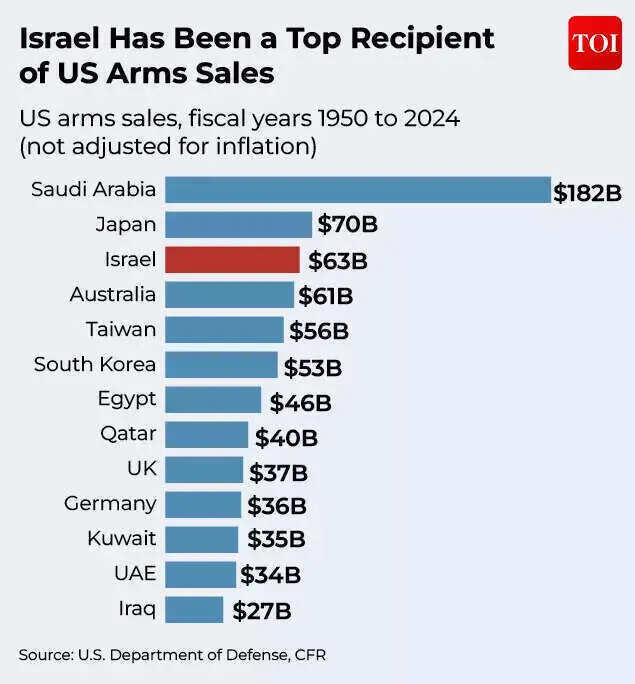
But critics increasingly argue that the relationship has evolved from unconditional alignment into a more managed partnership under Trump’s second term. During the Gaza conflict and the Iran crisis, Washington has taken a far more direct role in shaping ceasefire terms, humanitarian arrangements and escalation limits.For Netanyahu, the timing is politically delicate. Reuters noted that the Iranian negotiations come ahead of an election in which he is projected to struggle politically, with opponents accusing him of failing to achieve his war objectives.