








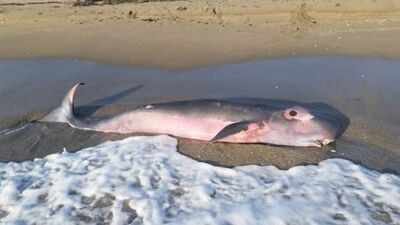
Scientists have uncovered three previously unknown types of stomach bacteria in pygmy sperm whales, offering fresh insights into the health of one of the ocean’s least understood marine mammals. The discovery comes after researchers examined more than two decades of stranded whales along Florida’s Atlantic coast, where rare opportunities to study these deep-diving animals have helped reveal hidden aspects of their biology. The findings were published in the Journal of Wildlife Diseases by researchers from Florida Atlantic University’s Harbour Branch Oceanographic Institute and collaborators.
A rare glimpse into an elusive whale
Pygmy sperm whales (Kogia breviceps) are among the world’s most elusive whales. They spend most of their lives far offshore, travel in small groups and dive hundreds of metres below the surface to hunt squid and fish. Because they are rarely seen alive, much of what scientists know about the species comes from stranded individuals that wash ashore.Between 1999 and 2020, researchers responded to 59 pygmy sperm whale strandings along Florida’s east coast. Post-mortem examinations were conducted on around 80% of these animals creating one of the most comprehensive datasets available for studying the species. During these examinations, scientists noticed unusual spiral-shaped bacteria embedded in the stomach tissue of four whales.Using tissue analysis, molecular diagnostics and DNA sequencing, the team determined that the microbes belonged to three previously unknown genotypes of Helicobacter bacteria. The newly identified strains have been named Kogia Helicobacter 1, Kogia Helicobacter 2 and Kogia Helicobacter 3 marking the first documented occurrence of these bacteria in pygmy sperm whales.
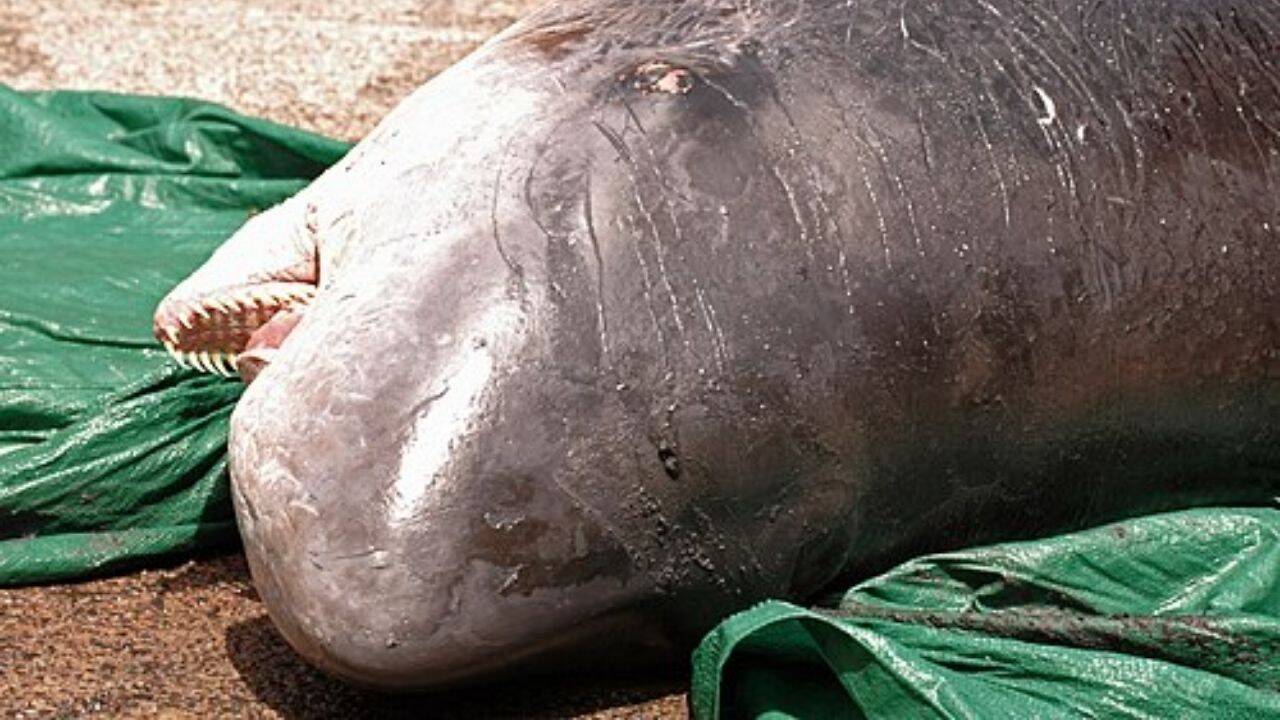
Closeup of the head of pygmy sperm whale (Image Credit: Wikipedia)
Why the discovery matters
Helicobacter bacteria are best known for the species Helicobacter pylori which infects humans and is associated with chronic stomach inflammation, ulcers and, in some cases, stomach cancer. Similar bacteria have also been identified in dolphins, porpoises and other marine mammals.Genetic analysis showed that two of the newly discovered whale bacteria are closely related to Helicobacter species previously found in dolphins, porpoises and humans. The third belongs to a more distinct evolutionary group, suggesting that many marine bacterial species remain undiscovered.All four infected whales had stomach lesions, including chronic gastritis, ulcers, scarring and parasite infestations. However researchers caution that the study did not establish the bacteria as the direct cause of the whales’ illness or death. Instead, the findings point to a possible association that requires further investigation.
What scientists hope to learn next
According to researchers, identifying these bacteria is an important first step toward understanding the health challenges faced by pygmy sperm whales. Studying their stomach microbes could help scientists determine whether bacterial infections contribute to strandings, digestive diseases or other health problems in this rarely observed species.The findings also expand scientific knowledge of marine microbiology and highlight how little is still known about the microorganisms living in deep-diving ocean mammals. As new bacterial species continue to be discovered, scientists hope they will gain a clearer picture of how marine microbes evolve, spread among different whale species and influence animal health.Although only four infected whales were identified, the discovery demonstrates the value of long-term monitoring programmes. Decades of stranding records have allowed researchers to detect patterns that would have been impossible to observe in animals that spend most of their lives hidden beneath the ocean’s surface. The study also underscores the importance of continued surveillance of stranded marine mammals, as each examination can reveal new information about species that remain among the least understood inhabitants of the world’s oceans.