







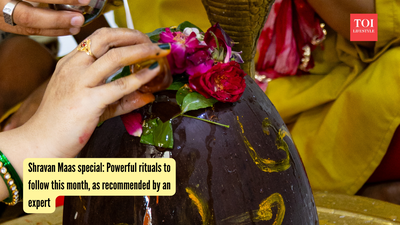
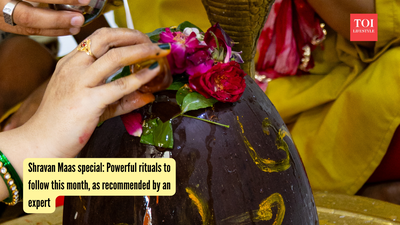
Shravan Maas or Saawan is a sacred month dedicated to Lord Shiva that holds a revered place in Hindu tradition. For many devotees, it is not just a religious observance but a time to reset and recharge. A chance to pause, reflect, and realign with something more significant than the daily routine.The sound of bells, the smell of wet Earth after the first monsoon showers, and long queues of devotees waiting patiently to pour a little water over a Shiva lingam are all that surround the month dedicated to the Neelkantha.Shravan Maas is just around the corner, and devotees across the country are already preparing for the month of fasting, chanting, and temple visits that lies ahead.
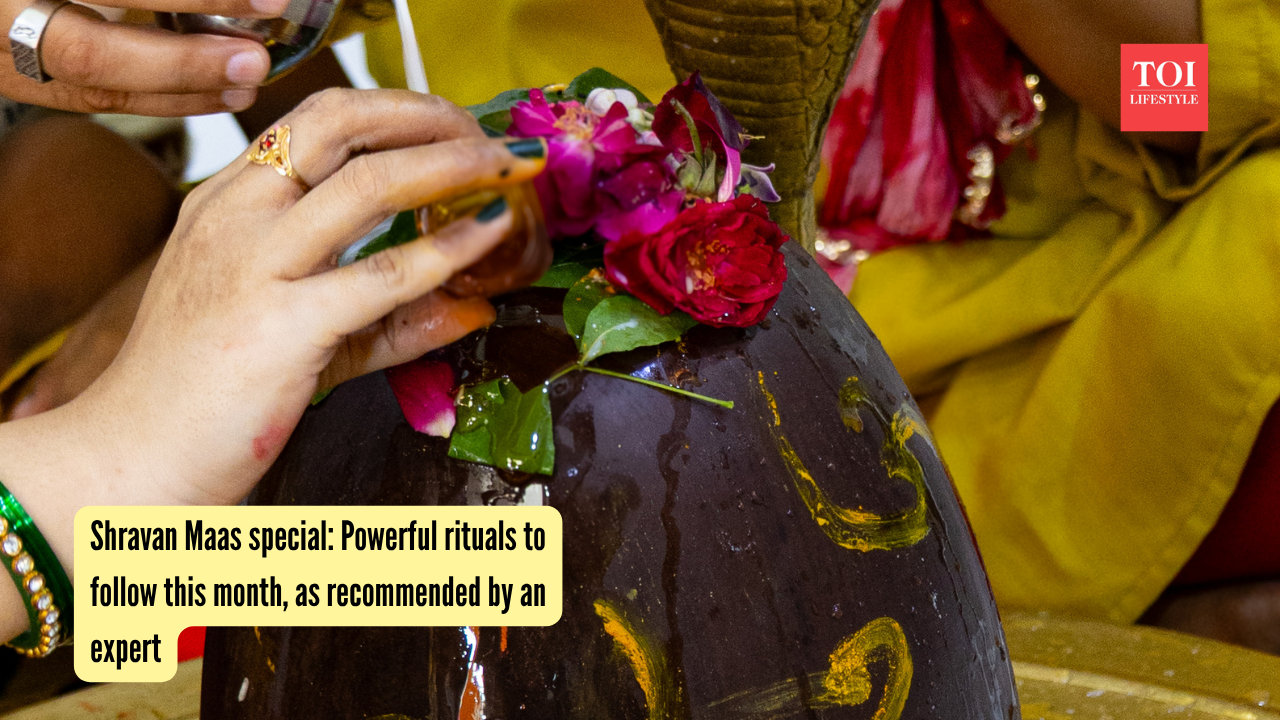
Rudrabhishek is especially performed during the sacred month of Saavan dedicated to Lord Shiva
What is Shravan Maas and why is it considered so sacred
Shravan Maas, also known as Sawan, is the fifth month of the Hindu lunar calendar and the holiest month for worshippers of Lord Shiva. It falls during the peak of the monsoon season, when the earth turns green after the first rains and rivers swell with fresh water, which is traditionally seen as a symbol of renewal, purification, and fertility.The origins of the month’s sanctity trace back to the Samudra Manthan, the churning of the cosmic ocean by the gods and demons in search of the nectar of immortality.According to mythology, this churning produced not just nectar but also Halahala, a deadly poison potent enough to destroy the universe. To save creation, Lord Shiva consumed the poison and held it in his throat, refusing to let it pass further into his body. The poison turned his throat blue, earning him the name Neelkanth or “the blue-throated one”.It is believed that the churning and Shiva’s act of cosmic sacrifice took place during the month of Shravan, and since the poison caused him immense heat and discomfort, devotees began the practice of offering him cool Gangajal and milk during this month, to soothe him and express gratitude for his protection of the universe.This is why Shravan is considered the ideal time to worship Shiva, and it is believed that by offering water, milk, and Belpatra, devotees are symbolically continuing that ancient act of care and devotionTo deepen our understanding of why this period holds such spiritual weight, and which rituals devotees should prioritise this year, we spoke to celebrity astrologer Prashant Kapoor, who explains that Shravan is far more than just a religious formality, and instead is a cosmic window for balancing karmic energies and inviting prosperity.
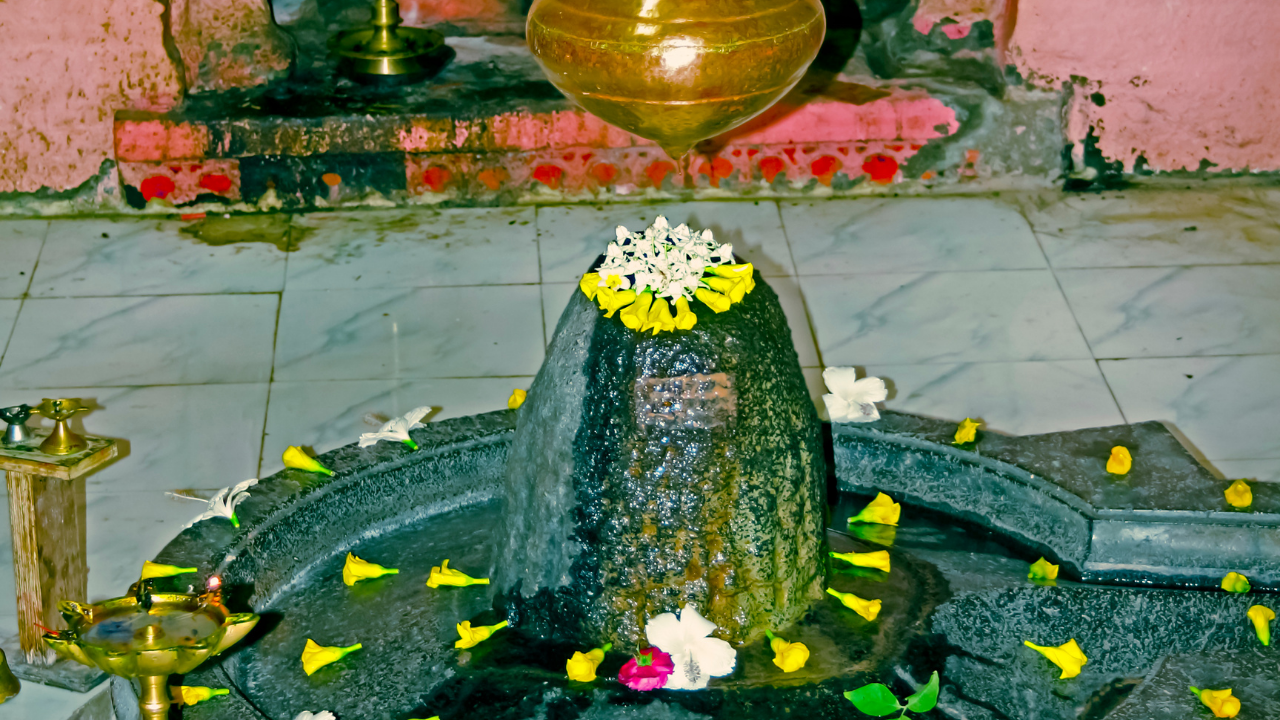
Shravan Maas is a cosmic event to balance karmic energies and attract prosperity
Why is Shravan Maas far more important than just a month of religious practices?
Astrologer Prashant Kapoor told the Times of India that Shravan Maas is “a cosmic event to balance karmic energies and attract prosperity.” This year, the sacred month runs from July 30 to August 28, and is considered the most auspicious time to pray to Lord Shiva. Kapoor explains that any prayer or ritual performed for Shiva during this period is believed to be especially spiritually effective, which renders it an important window for devotees seeking clarity, healing, or relief from ongoing struggles in their personal and professional lives.Here are some powerful rituals to follow during the sacred month dedicated to Lord Shiva:
Ritual 1: Performing Rudrabhishek
Rudrabhishek, the ritual of bathing Lord Shiva with a herbal mixture prescribed in ancient scriptures, is one of the most powerful rituals of the month. Kapoor notes that while anyone can perform it, those specifically advised by an astrologer should prioritise it. “Also, if you are facing a lot of problems in life and have been seeing no change despite action, this ritual can be an excellent answer for your problems”, Kapoor mentions.He adds that this ritual is particularly effective for people who feel stuck despite their efforts, explaining that “health issues, financial issues, and relationship issues are also resolved through Rudrabhishek,” making it a holistic remedy rather than a purely symbolic offering.
Ritual 2: Chanting the Mahamrityunjaya Jaap
According to the Vedic tradition, the Mahamrityunjaya Jaap is chanted for protection from chronic illness and sudden misfortune, while also easing emotional turbulence. Kapoor explains, “This Jaap invites the blessings of Lord Shiva, who creates a powerful energy around the devotee. The Mantras chanted during Mahamrityunjaya Jaap creates a purified atmosphere. It helps to take the blessings from Lord Shiva in its purest form.”He explains that it can reduce the negative effects of illness, counter the malefic influence of planets like Saturn, and ward off the evil eye. Regular practice, he adds, gradually improves energy levels, quality of life, and longevity.
Ritual 3: Offer Bilva leaves and observe Shravan Monday fast
Offering Bilva leaves, said to be Lord Shiva’s favourite, is another central ritual of the month, believed to reduce karmic burdens accumulated over time. Kapoor recommends visiting a Shiva temple every Monday during Shravan, chanting “Om Namah Shivaya” as an act of devotion. Observing a fast on these Mondays, he explains, further strengthens spiritual discipline. Together, these practices are considered a simple yet powerful way to stay consistently connected to Shiva’s energy throughout the month.
Ritual 4: Meditation and complete surrender
Kapoor also emphasises the importance of daily meditation through Shravan, “Meditate daily during this sacred month. It will help to connect with the inner Self and learn to love with devotion and faith.”He notes that people facing Shani Dosha, health setbacks, or career struggles may find real relief through these combined practices, but he emphasises the importance of one condition: the rituals must be performed with complete surrender to the divine, rather than as a mechanical routine, for their spiritual benefits to fully unfold.