









Perhaps the most important message psychologists share is that children do not need perfect parents. They need caregivers who are emotionally available most of the time, who apologise when necessary, who offer comfort after disappointment and who create an environment where love feels dependable. The everyday moments of reading together, listening after school, sharing meals or simply laughing over something silly often matter far more than perfectly planned birthdays or spotless homes.
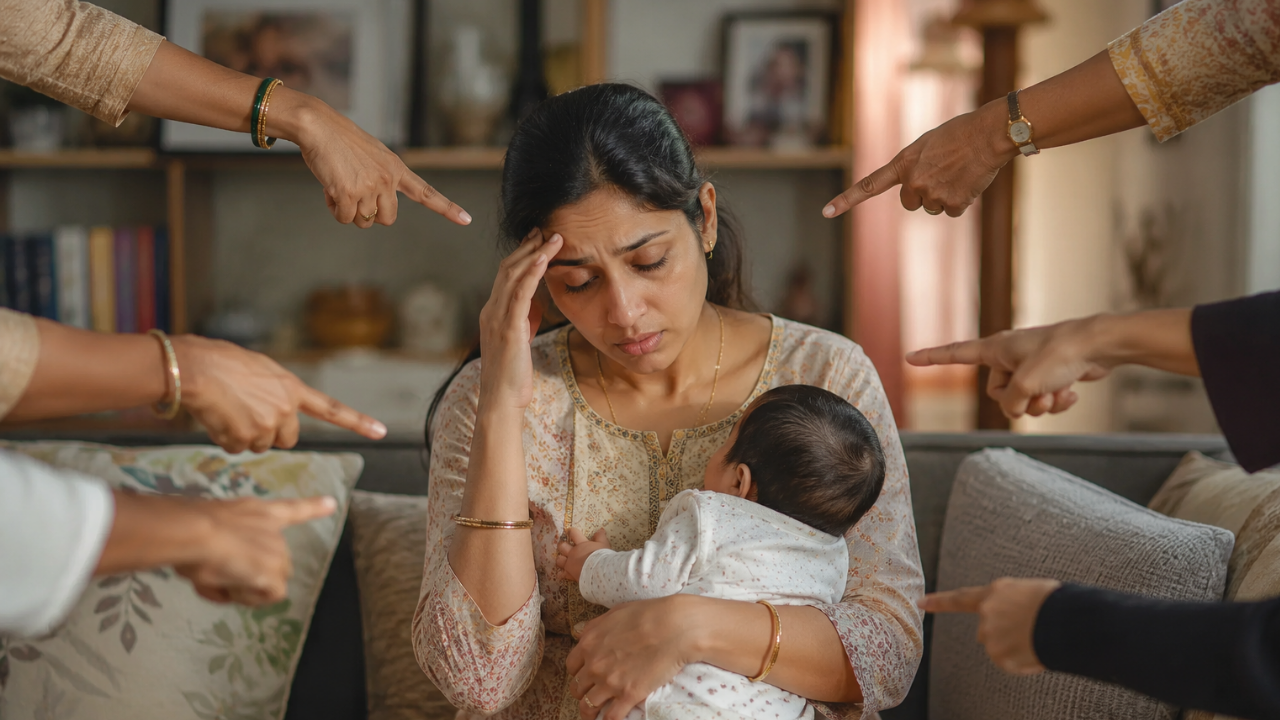
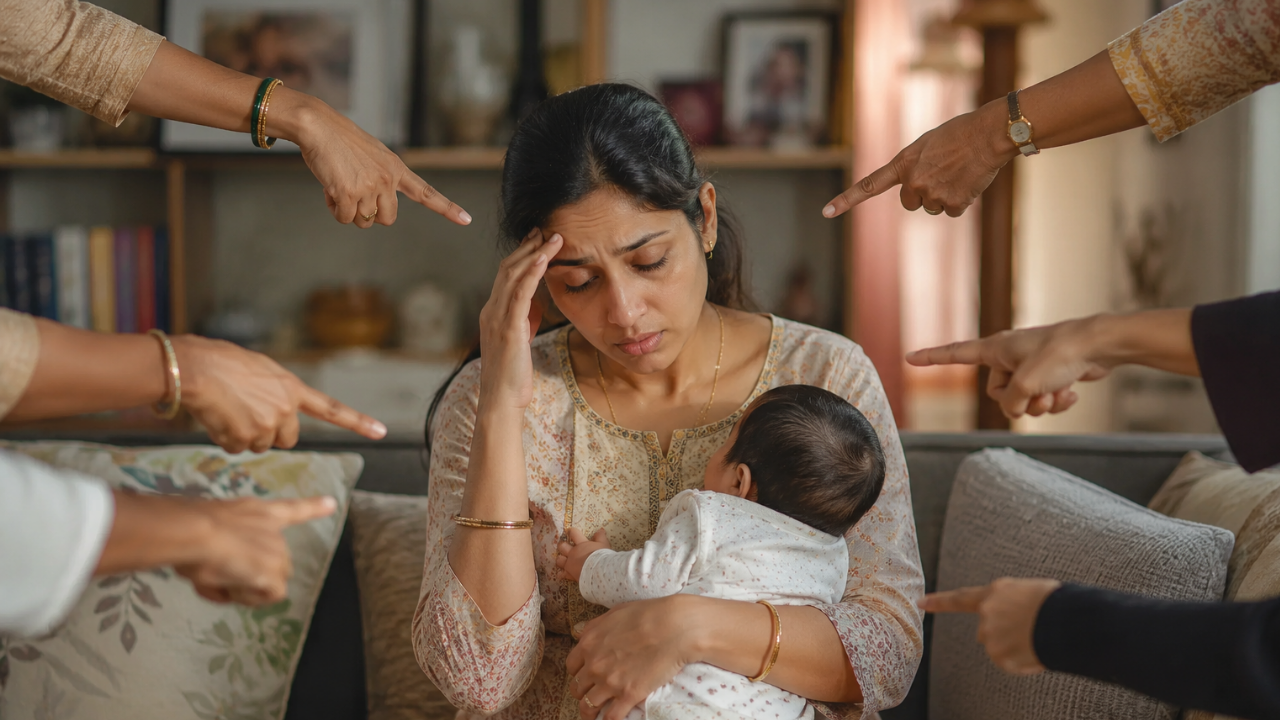
In the end, children rarely measure love by flawless parenting. They measure it by how safe they felt, how often they were comforted and whether they knew someone would be there when they needed them. Mom guilt thrives in silence because so many mothers assume they are the only ones feeling it. In reality, psychologists say it is one of the most common emotional experiences of parenthood. It reflects the enormous responsibility many mothers place on themselves, often fuelled by impossible expectations rather than actual shortcomings.
Perhaps the healthiest response is not trying to eliminate guilt entirely but learning to question it. Sometimes the voice saying, “You should have done more,” is not telling the truth. And sometimes, the child who received a hurried bedtime story or a simple hug instead of a perfect day already felt far more loved than their mother realised.