









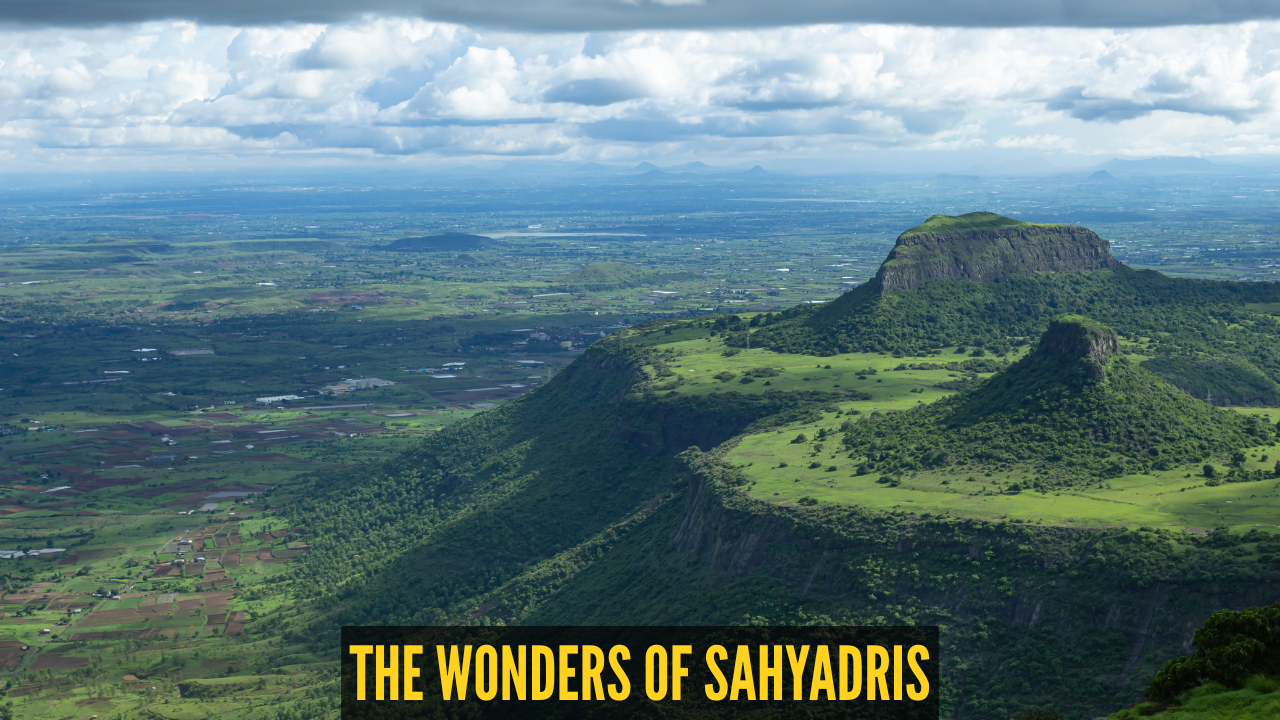
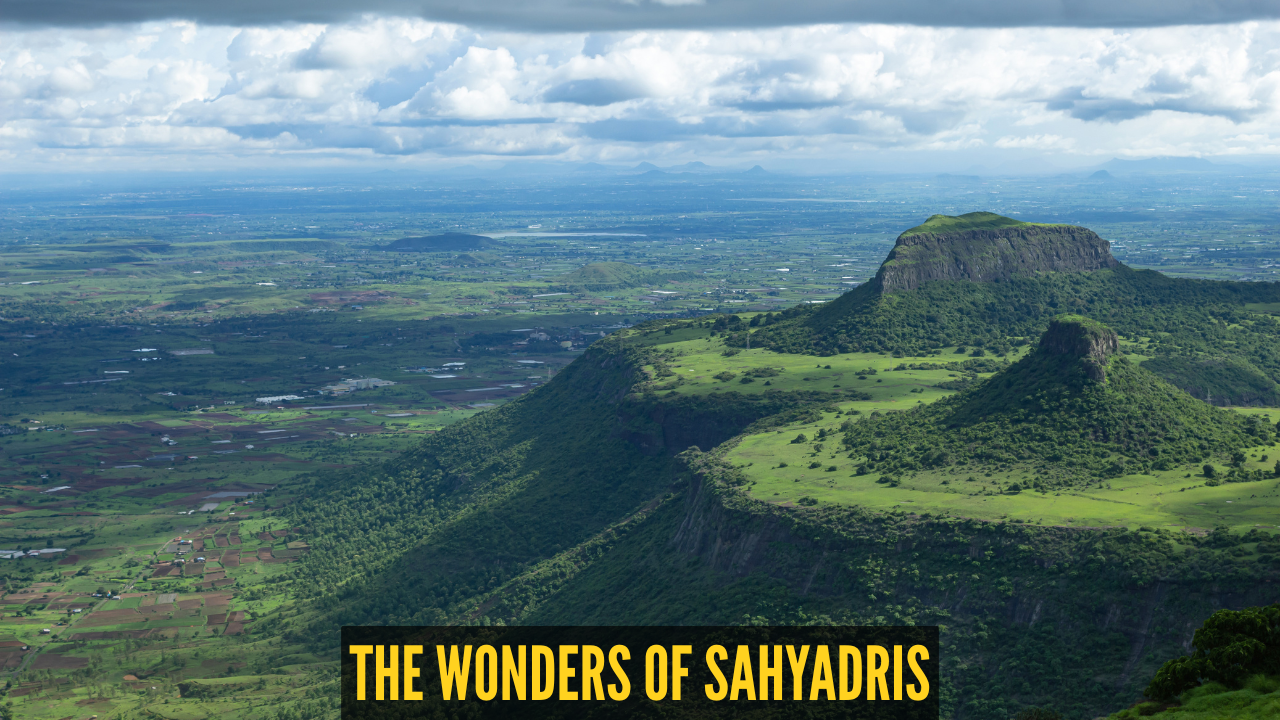
Long before the forts were built, the landscape itself was born out of pure chaos. Millions of years ago, massive volcanic eruptions formed what geologists call the Deccan Traps. Over countless millennia, wind and water slowly eroded that volcanic rock, carving out the sheer basalt cliffs and flat-topped plateaus that make the Sahyadris so instantly recognisable today.
These hills have seen a lot of history. Long before we had modern motorways, ancient traders used mountain passes like Naneghat to move goods between the wealthy ports on the Konkan coast and the inland towns. If you visit Naneghat today, you can still spot inscriptions from the Satavahana period that give a brilliant sneak peek into life over 2,000 years ago.
The Sahyadris are most famous for their connection to Chhatrapati Shivaji Maharaj and the Maratha Empire. Spotting the sheer strategic brilliance of this tough terrain, Shivaji built an incredible network of forts across the peaks. Spots like Raigad, Rajgad, Pratapgad, Lohgad, and Shivneri still pull in huge crowds. Several Maratha forts, including Raigad, Rajgad, Shivneri and Pratapgad, have been proposed as part of the ‘Maratha Military Landscapes of India’ nomination for UNESCO World Heritage recognition.
Image Credit: Canva